Pledges and Power Cuts: How Climate Finance Is Failing Africa
On the morning the G20 released its South Africa Declaration, a senior official in Abuja joked quietly to a colleague: “Let me guess, they want us to be green, but not too green; use gas, but not too...
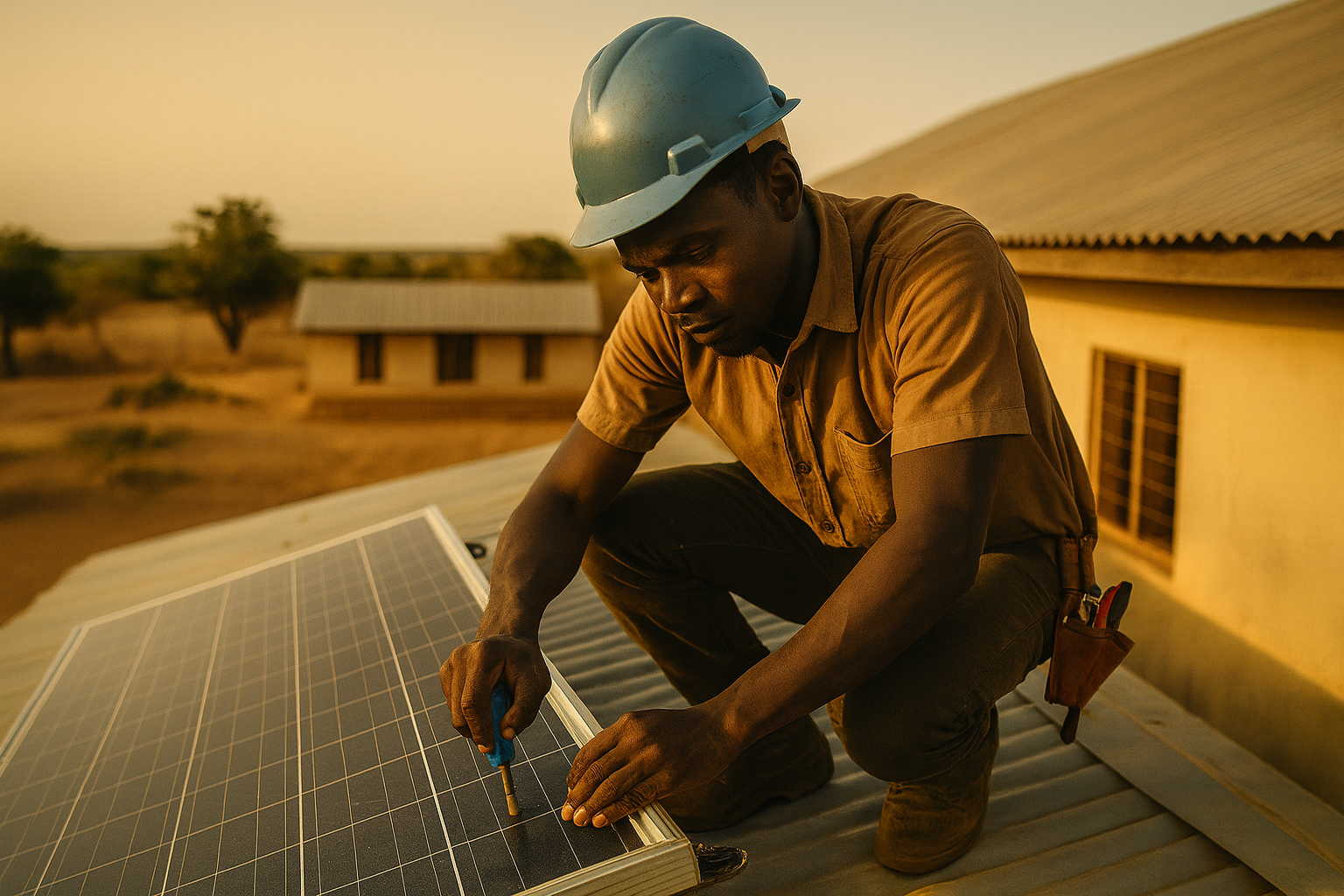
Not long ago, I stood near a primary school building in northern Nigeria. A technician was fastening a solar panel to the roof of one of the school buildings. The schoolyard buzzed with the laughter...
The promises came wrapped in billion-dollar ribbons.
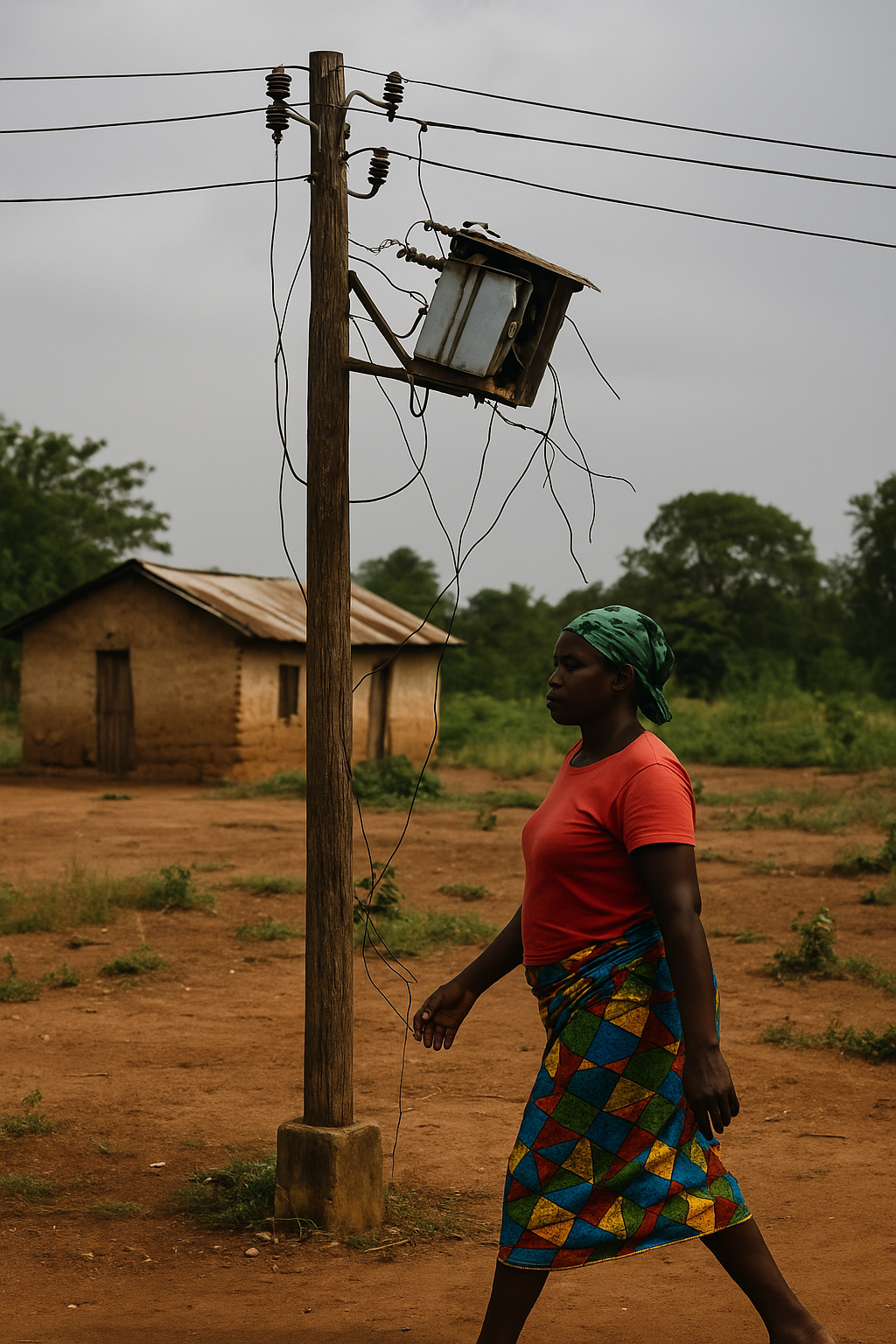
At COP summits, in glossy brochures, and during press conferences, world leaders pledged hundreds of billions for Africa’s clean energy future. But in the villages of Malawi, the suburbs of Lagos, or the rural Sahel—solar panels are missing, electricity remains scarce, and hope is wearing thin.
So we must ask: is climate finance in Africa real—or just another chapter of climate fiction?
The African Development Bank estimates Africa needs $2.7 trillion by 2030 to meet its climate goals. Yet according to the Climate Policy Initiative, the continent received less than $30 billion annually in climate finance between 2019 and 2021. That’s barely 12% of what’s required.
Worse still, more than 70% of that finance came in the form of loans, not grants, pushing already debt-strained economies further into crisis.
A 2024 study by Power Shift Africa calls this the “debt-for-climate trap”—where African nations must borrow to fight a crisis they barely caused.
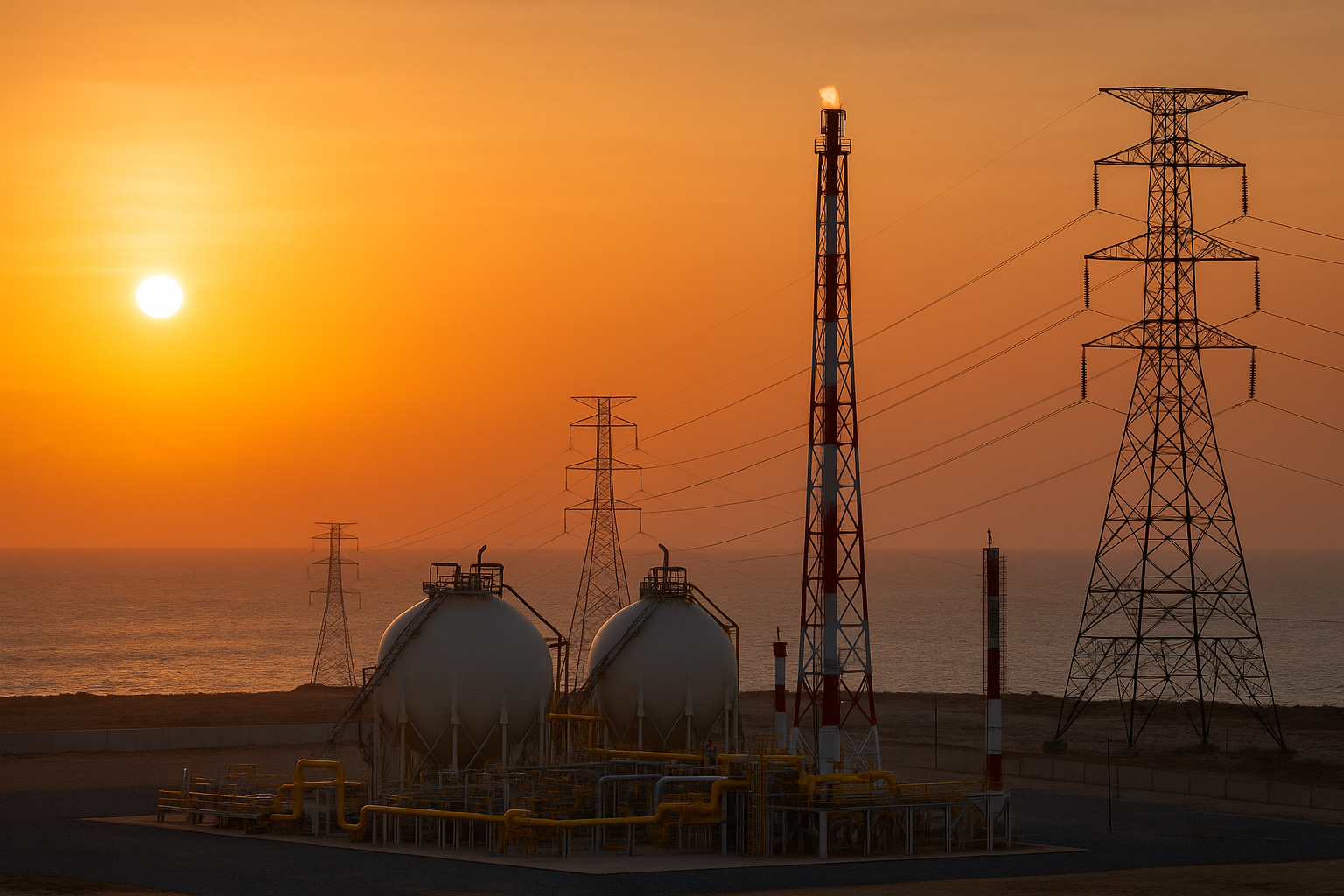
Despite fanfare around South Africa’s Just Energy Transition Partnership (JETP), implementation has been riddled with delays and diplomatic tensions. Meanwhile, countries like Ghana, Mozambique, and Zambia are being encouraged to invest in solar and wind—but the bulk of money still flows toward consultants, reports, and pilot projects instead of transformers, transmission lines, and local jobs.
In Nigeria, the $750 million World Bank Distributed Access fund is promising, but civil society groups like BudgIT warn of weak transparency mechanisms and minimal community engagement.
When climate finance doesn’t show up—or shows up late and in debt form—the consequences are real:
This isn’t just about electricity—it’s about dignity, development, and justice.
Africa's civil society isn’t asking for charity. We’re asking for fairness:
Africa doesn’t need more climate fiction. It needs climate justice.
Contributor at Energy Transition Africa, focusing on the future of energy across the continent.
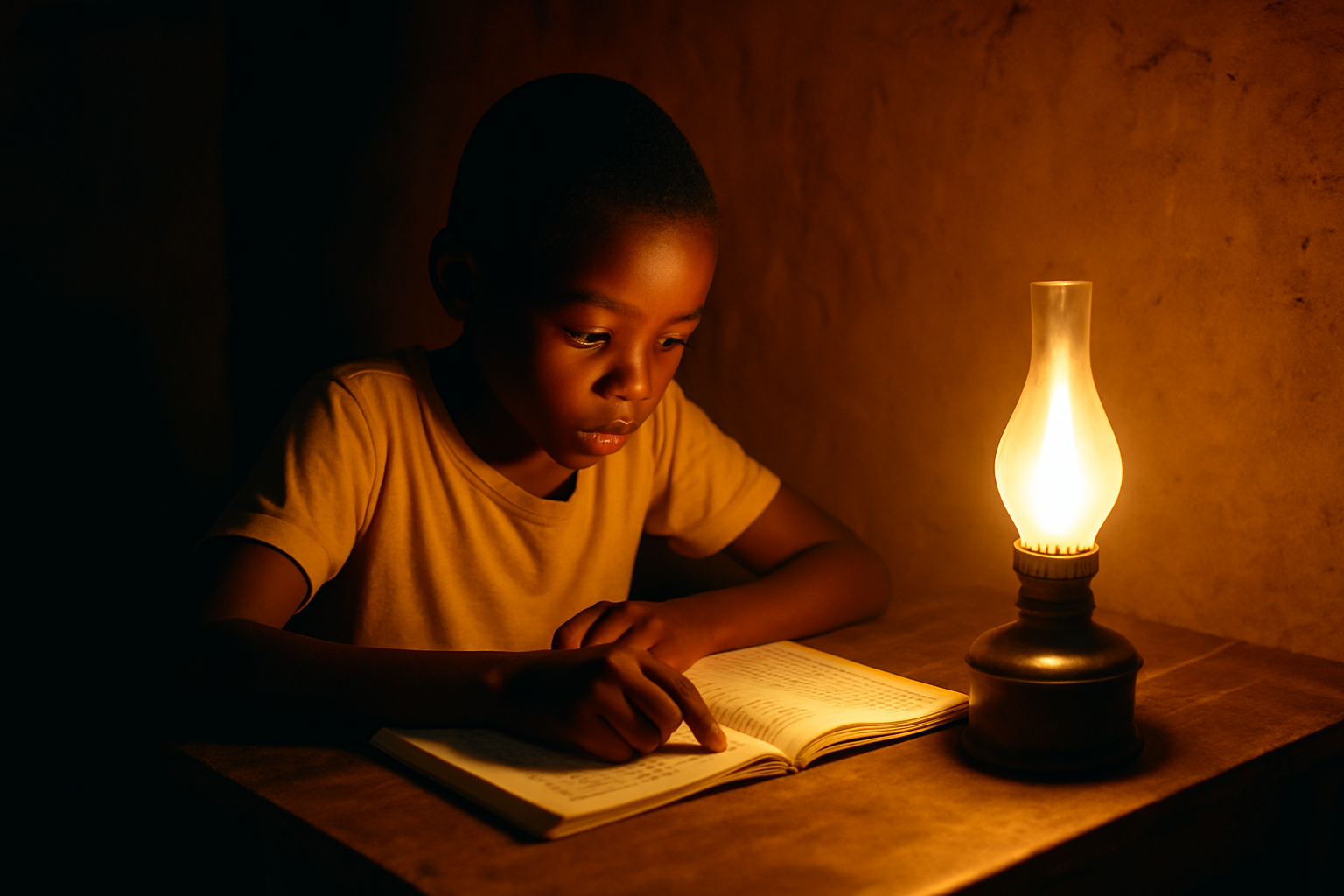
When negotiators at COP30 announced new climate-finance commitments in Belém, my mind went to the children I met earlier this year in a village outside Makurdi, Nigeria, six boys and girls bent over...