Who Bears the Burden? Gender and the Energy Transition in Africa
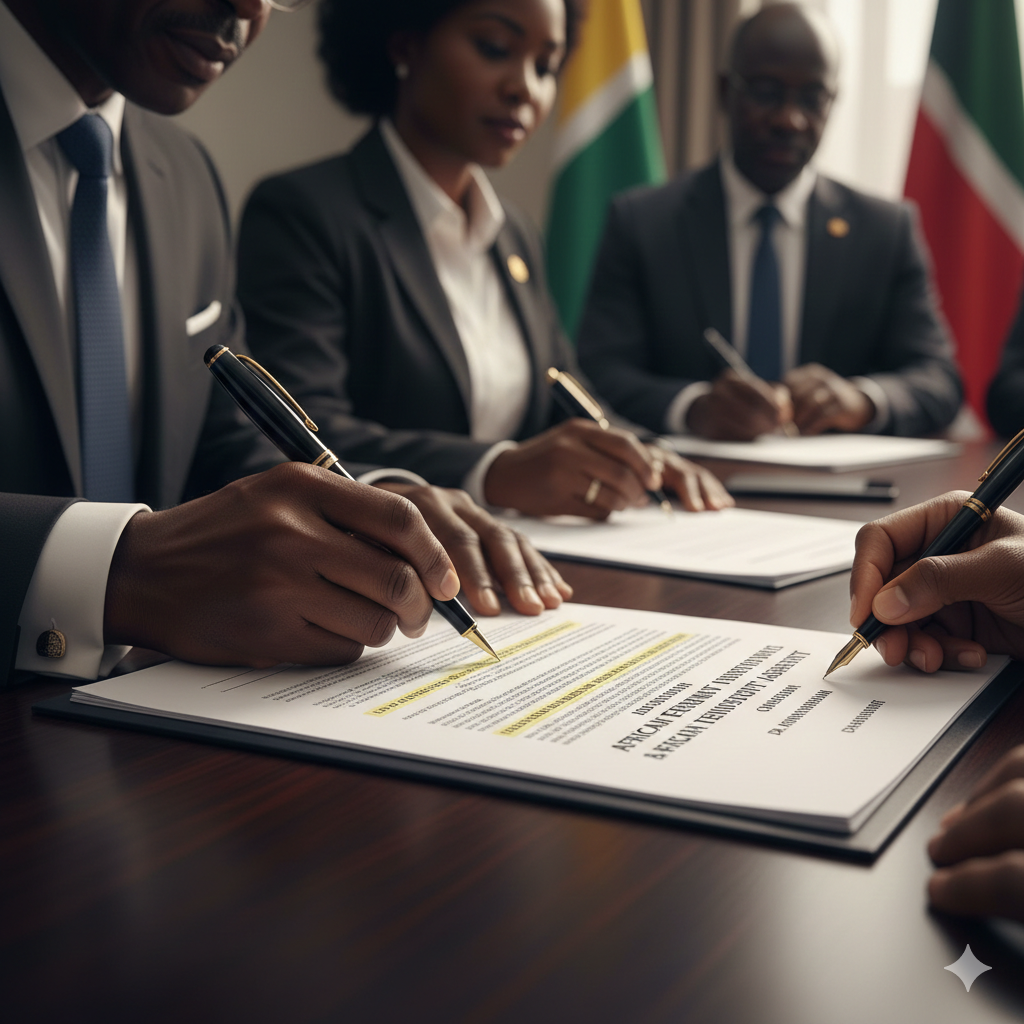
Africa is being courted again. This time, the language is cleaner: energy transition, critical minerals, clean infrastructure, climate finance. The urgency is sharper, the timelines are shorter, and...
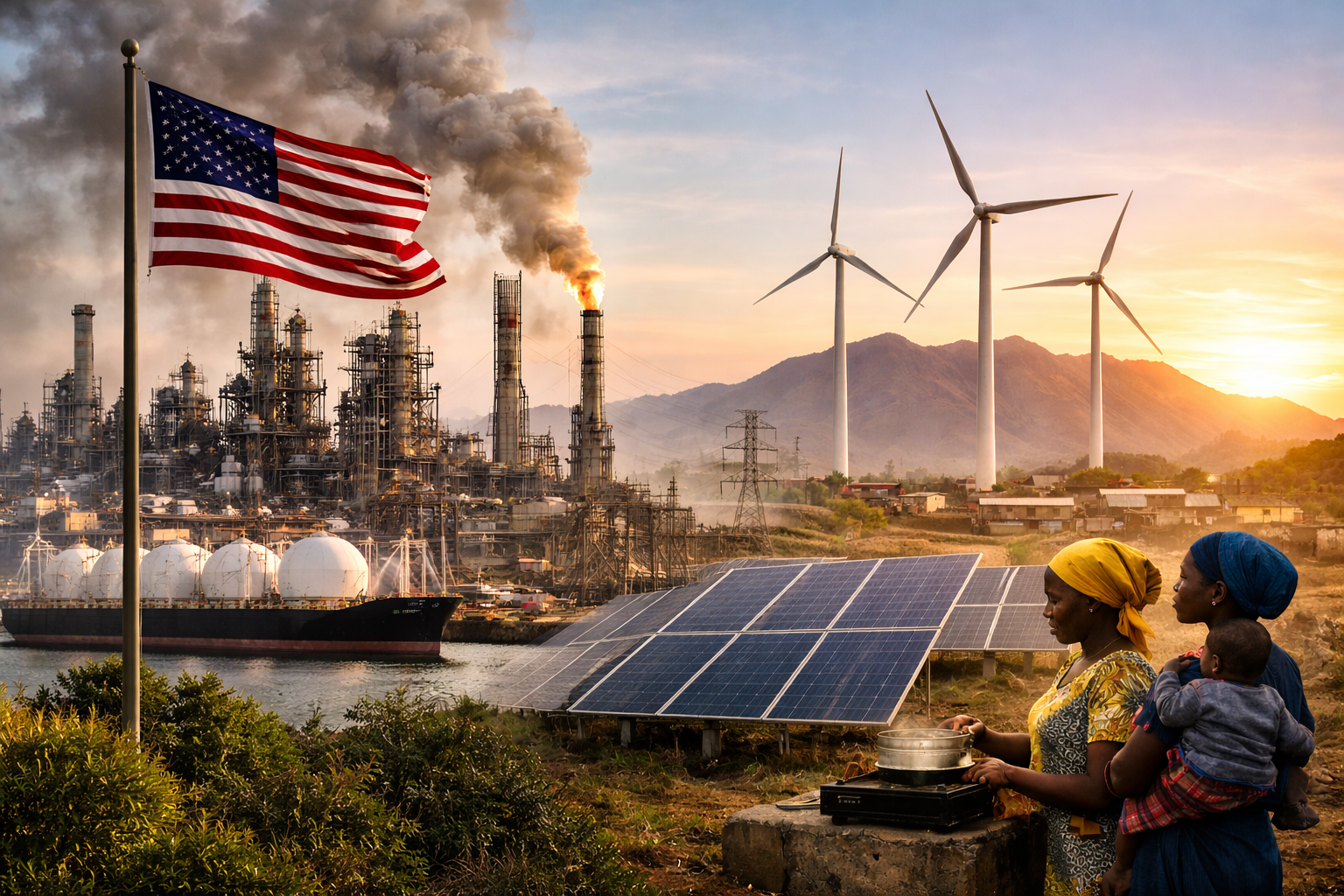
When the United States withdraws from global climate institutions, the consequences are never confined to Washington. They ripple outward through markets, multilateral banks, diplomatic alignments,...
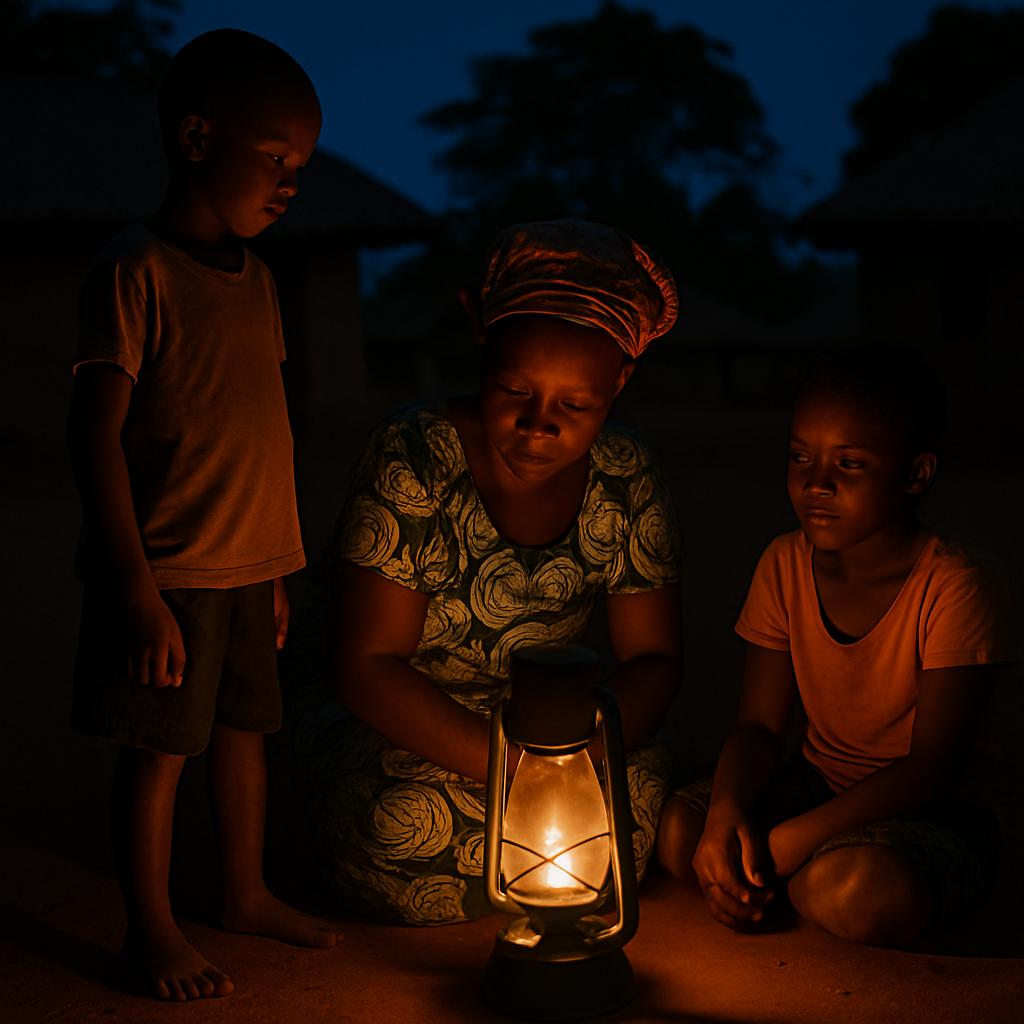
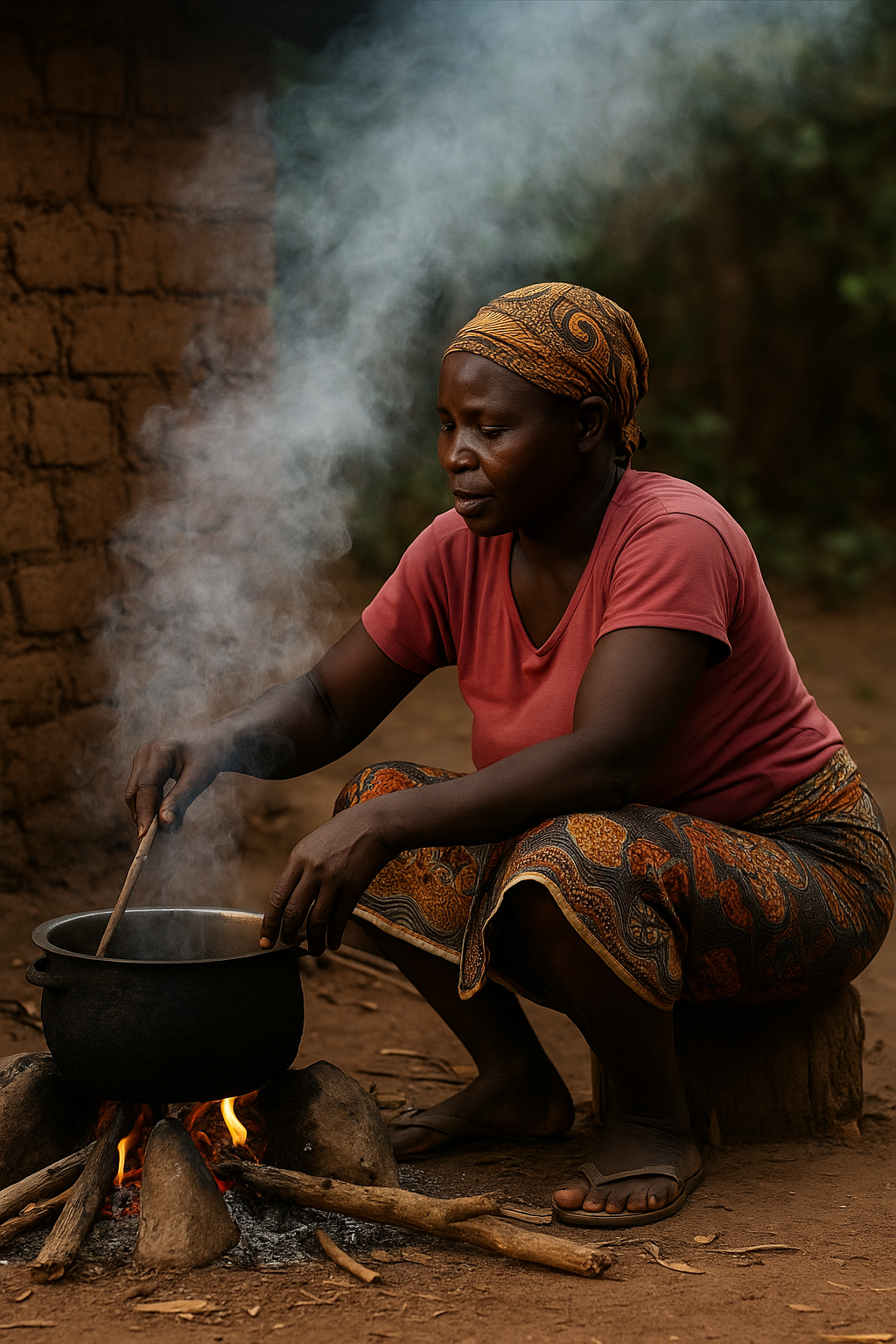
Grace, a mother of four in rural Zambia, wakes before dawn to trek miles for firewood. She balances heavy bundles on her head, prepares meals over a smoky three-stone fire. Grace’s day is a story repeated by millions of women across Africa, one where energy poverty is written on the female body.
This is the stark reality of gender and the energy transition in Africa. As the world clamours for cobalt, lithium, and graphite from African soil to power electric vehicles and solar batteries, the women who carry the heaviest energy burdens are often left out of the conversation. The paradox is cruel: Africa’s minerals light up Europe’s cities and Asia’s factories, yet in Sub-Saharan Africa, more than 600 million people lack electricity, and nearly four in five households still rely on biomass for cooking (IEA, 2023). The majority of those affected are women.
Energy poverty in Africa is not gender-neutral. It is deeply skewed against women and girls.
A recent report on the crisis of energy poverty in Southern Africa highlights how load shedding, high tariffs, and weak grid infrastructure worsen gender inequalities. For women, the energy transition cannot come fast enough, but it must come with justice.
Despite the odds, women across Africa are seeding the future of clean energy.
These are not token stories; they are proof that when women are given tools, finance, and training, they turn transitions into transformations. Yet systemic barriers persist. Women-owned businesses receive less than 5% of clean energy investment in Africa (AfDB, 2023). Gender-responsive finance is still an afterthought rather than a default.
Here lies the uncomfortable truth: most national energy transition strategies sideline gender.
Without gender audits, budget allocations, and legal safeguards, these strategies risk replicating extractive, male-dominated economies in a greener disguise.
This is where regional collaboration becomes crucial. Individual countries cannot on their own manage value chains of cobalt, lithium, and nickel. A regional industrial policy is needed, one that pools resources and ensures women are not marginalised in cross-border trade and industrial hubs. See regional cooperation for Africa’s mineral trade and processing for deeper analysis.
To transform gender and the energy transition in Africa, several steps are urgent:
These are not optional extras; they are the linchpins of a just transition.
Africa’s minerals light up the world, but African women are still cooking over firewood. This contradiction cannot stand.
The upcoming Africa Climate Summit 2025 is a test of leadership. Leaders must go beyond declarations and adopt binding commitments for regional industrialisation and gender-responsive value addition. For the millions of women carrying the daily burden of energy poverty, this moment must not be squandered.
Civil society cannot afford silence. From community groups to continental coalitions, the message must be loud: the value addition of critical minerals in SADC is meaningless if women remain in the dark.
The future of gender and the energy transition in Africa will be measured not just in megawatts and minerals, but in whether women’s lives improve, their labour is recognised, and their voices shape policy. Because in the end, empowering women means powering Africa.
For more on the broader justice dimensions, see what a just energy transition means for Africa.
Contributor at Energy Transition Africa, focusing on the future of energy across the continent.
There is a sound I remember from my childhood, not the noise of generators or the crackle of candles, but the soft murmur of neighbours talking in the dark. Entire evenings lit only by moonlight or...