Five Lines Africa Should Never Cross in Energy Transition Deals

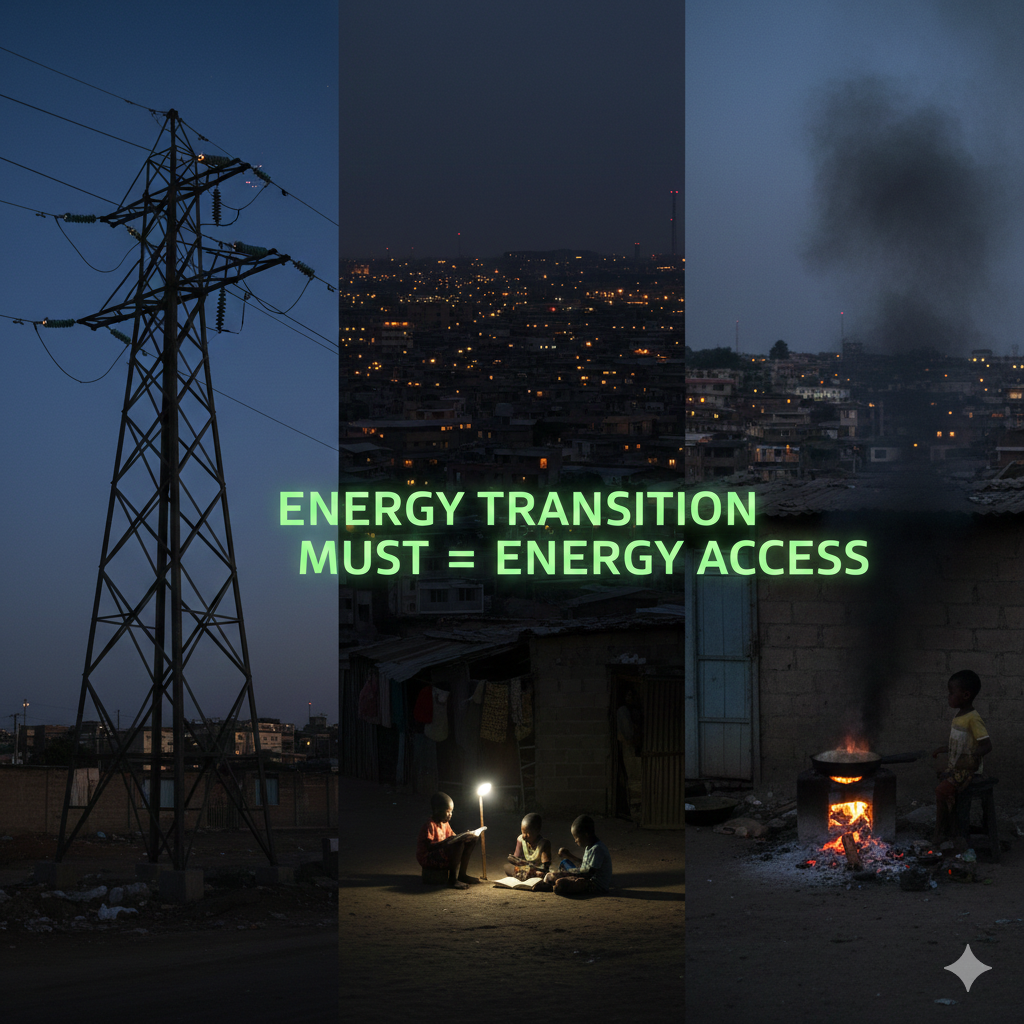
There is a phrase that has followed Africa through almost every global climate forum in recent years: “clean energy for people and planet.” And it sounds inclusive, moral and hard to argue against....

I grew up learning how to adapt to electricity failure. You learn early what time power usually goes out, you know when to charge phones, when to pump water, and when to run appliances. You learn the...
Africa is being courted again. This time, the language is cleaner: energy transition, critical minerals, clean infrastructure, climate finance. The urgency is sharper, the timelines are shorter, and the pressure to sign is real.
But beneath the rhetoric, the structural risk is familiar. In the rush to secure capital, minerals, and megawatts, Africa faces a simple test: does this deal strengthen long-term development, or trade it away?
As the energy transition accelerates, Africa does not need more memoranda of understanding. It needs red lines and clear boundaries that protect sovereignty, values, and people.
These are five lines Africa should never cross in energy transition deals.
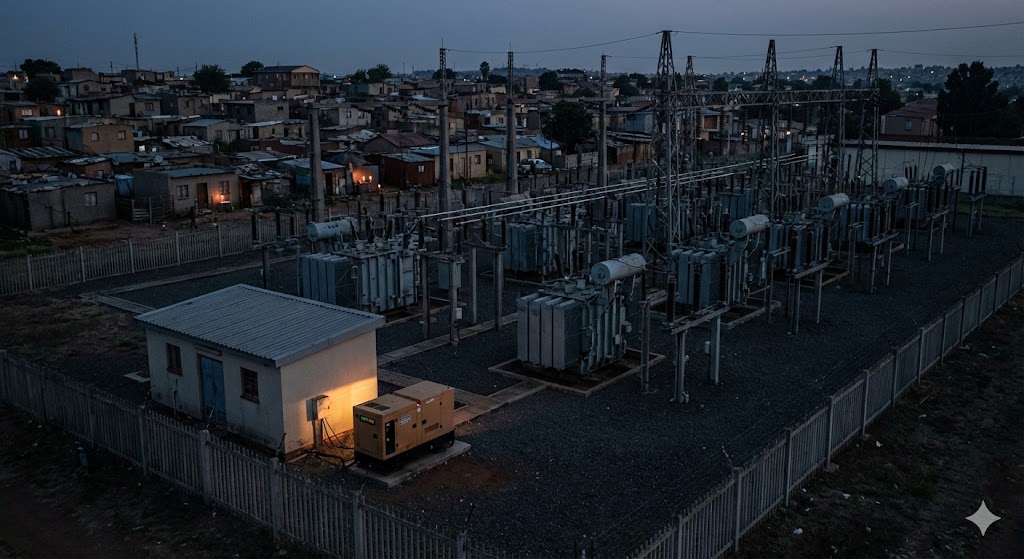
Electricity grids are not just infrastructure; they are also economic command systems.
Transmission and distribution determine:
Deals that compromise long-term public control over grids through perpetual concessions, opaque management contracts, or unbalanced equity undermine energy sovereignty.
Private participation isn't the problem; loss of policy leverage is.
According to the World Bank, weak grid governance is one of the main reasons African power systems fail to deliver reliable electricity, even where generation capacity exists.
Red line: Africa should never trade short-term capital for permanent loss of grid control.
Africa supplies many of the inputs that make clean energy possible, such as cobalt, copper, lithium, manganese, and platinum-group metals.
Yet most battery cells, solar components, grid equipment, and electric vehicles are manufactured elsewhere.
The International Energy Agency estimates that mineral demand for clean energy technologies could increase fourfold by 2030, but value capture will be determined by where processing and manufacturing occur, not where minerals are mined.
Deals that:
Repeat the old extractive model under a green label.
Red line: No transition deal should accelerate exports without anchoring value addition at home.
Climate-labelled finance is still finance, and often debt. Across Africa, many energy transition projects rely on:
The risk is clear: if technologies shift, prices fall, or grids underperform, debt remains while assets depreciate.
The IMF has repeatedly warned that poorly structured infrastructure debt, regardless of its climate credentials, can worsen fiscal vulnerability.
Red line: Africa should not accept transition debt that becomes a fiscal burden before it becomes a development benefit.
Fast transitions often move through slow places: mining towns, rural corridors, coastal ports, and peri-urban settlements.
Deals that bypass:
create backlash that eventually delays projects and erodes legitimacy.
According to UNCTAD, social conflict around extractive projects is one of the leading causes of cost overruns and project failure in developing regions. Justice here is risk management and not a moral decoration.
Red line: No energy transition deal should leave communities worse off than before.
The most dangerous energy deals aren't the dirtiest; they are the irreversible ones.
Contracts that:
and turn today’s pragmatism into tomorrow’s trap. In a fast-moving energy system, flexibility is resilience.
Red line: Africa should never sign away its right to adapt.
Climate finance is fragmenting. Critical minerals are becoming geopolitical assets. Bilateral deals are replacing pooled multilateral flows.
In this environment, speed is rewarded, but scrutiny is punished. Africa’s power doesn't lie in rejecting deals, but in defining the terms under which deals are acceptable.
These red lines are pro-future, not anti-investment.
Africa’s energy transition will shape its development trajectory for decades.
Sovereignty over grids; Value capture from minerals; Fiscal sustainability; Community dignity; Policy flexibility.
These aren't negotiable extras, but the foundation.
Any deal that crosses these lines isn't a partnership in transition, but a transfer of risk. And Africa has paid that price before.
Contributor at Energy Transition Africa, focusing on the future of energy across the continent.
For most of the past decade, climate finance has been discussed as a moral equation. If African countries showed ambition, net-zero targets, transition plans, long lists of renewable projects, and...