Africa’s Clean Energy Promise: Between Policy Progress and People’s Patience
For most of the past decade, climate finance has been discussed as a moral equation. If African countries showed ambition, net-zero targets, transition plans, long lists of renewable projects, and...
Africa is being courted again. This time, the language is cleaner: energy transition, critical minerals, clean infrastructure, climate finance. The urgency is sharper, the timelines are shorter, and...
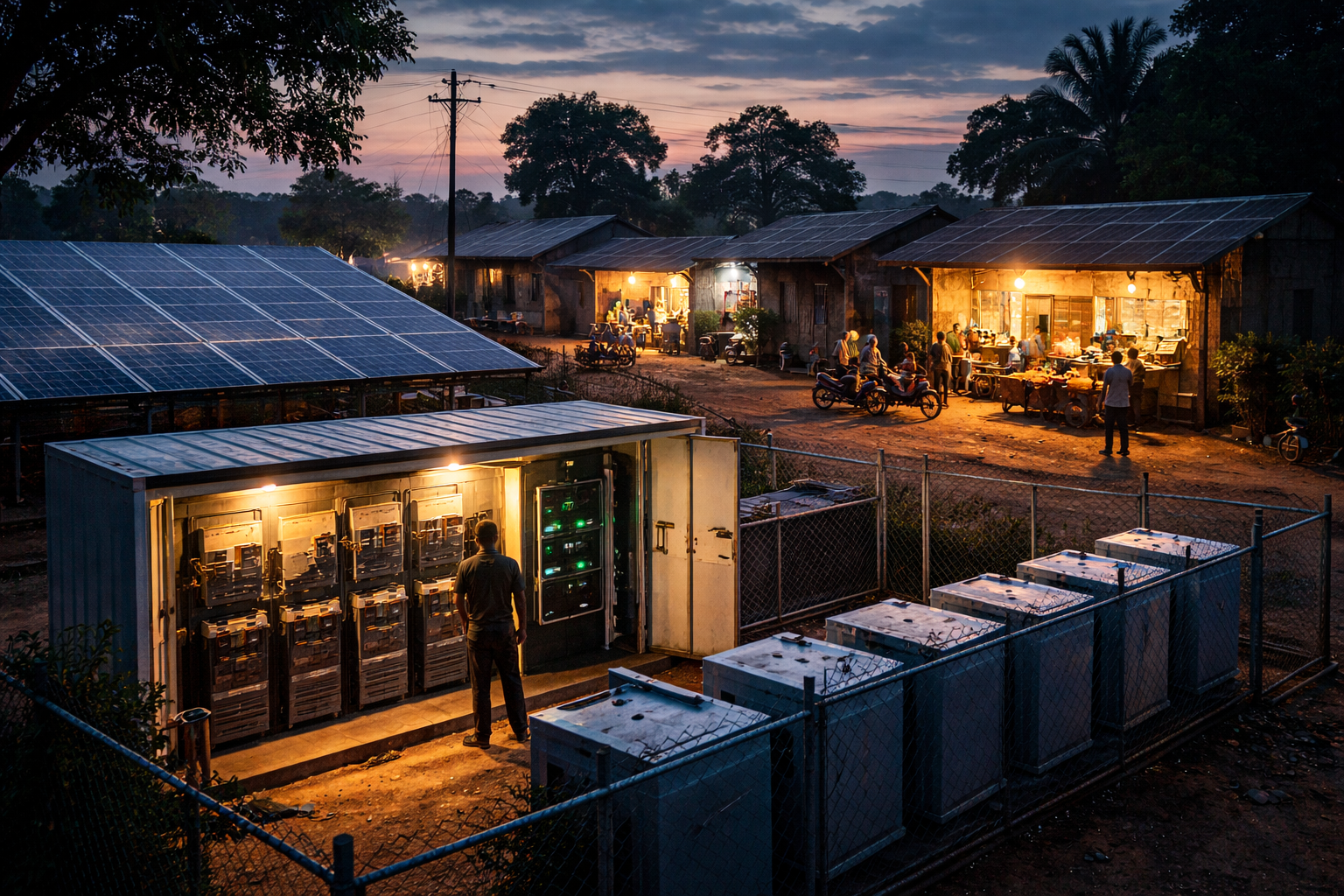
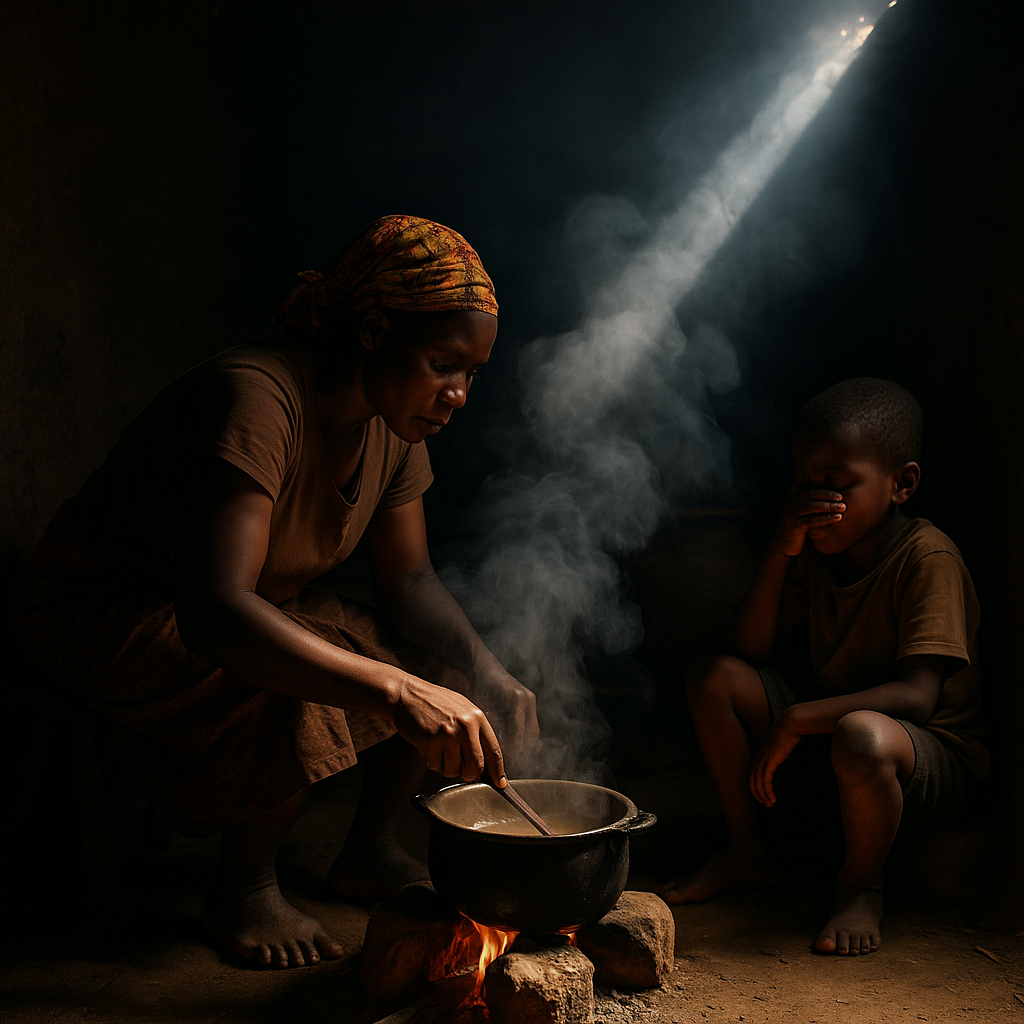
The International Energy Agency (IEA) has released its World Energy Outlook 2025. After reading it, I was struck by one figure: 1 billion Africans still cook with firewood, charcoal, and animal dung. In 2025, the year of AI-driven research labs, electric vehicles and lunar mining missions, a billion people still inhale smoke to eat.
Beyond statistics, this is a scandal.
And yet, the IEA’s new report offers both hope and humility.
Hope, because Africa is finally seeing momentum in clean cooking and electrification policies.
Humility, because even with progress, universal access remains painfully distant.
The report is a mirror, reflecting both our potential and our paralysis.
According to the IEA’s Accelerating Clean Cooking and Electricity Services (ACCESS) scenario, Africa could achieve universal electricity access by 2035 and universal clean cooking access by 2040, if the continent moves with the same speed as the world’s most successful reformers, such as India’s electrification push or Indonesia’s LPG transition.
Achieving this would require:
Think about that:
A continent’s dignity restored, for the cost of global energy’s rounding error.
And yet, billions still wait.
Not because solutions don’t exist, but because priorities do.
Behind these numbers lie quiet stories: a nurse unable to refrigerate vaccines; children turning away from smoke to study outside; market women losing produce due to lack of cold storage. The gap is beyond an energy gap; it is a gap in human possibility.
But Africa is not standing still.
The IEA notes that 50 new clean cooking policies and 17 national targets have been introduced since early 2024. For the first time, the majority of people lacking access now live in countries with active strategies to close the gap. That shift is historic. It signals political awareness and a new generation of African policymakers unwilling to accept energy poverty as normal.
The Dar Es Salaam Declaration (2025) is a turning point. Signed by African heads of state, it commits to electrifying 300 million Africans by 2030, and expanding clean cooking at an unprecedented scale. Hopefully, the ongoing COP30 in Brazil will spotlight electricity and clean cooking access as priority issues, a recognition long overdue.But policy is not progress until it meets financing, infrastructure, and follow-through.
And that’s where the real battle lies.
I grew up in a village where smoke was a constant companion, a grey fog that lingered in our kitchen, in our clothes, in our lungs. My grandmother cooked with firewood for most of her life. I can still hear the coughs she tried to suppress, as if silence could soften their sting.
Today, I know the global number behind her pain: 2.5 million people die every year from household air pollution. Many of them are African women and children.
If Africa reaches universal clean cooking by 2040, those deaths could fall by two-thirds.
This isn’t simply about emissions.
It’s about breathing, healing, surviving.
Access to clean cooking is not a luxury; it is a rescue mission.
Electrification goes beyond lighting homes. It also includes refrigerating medicine, powering schools, enabling small businesses, reducing drudgery, expanding opportunity, and ensuring that Africa’s demographic boom becomes a dividend rather than a disaster.
Globally, the energy transition debate revolves around emissions reduction, carbon markets, hydrogen corridors, and the future of fossil fuels. But for Africa, the transition is more fundamental:
It is about moving from darkness to light, from smoke to breath, from survival to dignity.
Africa is often treated as a passive backdrop to global climate politics, the place where solutions are tested, not shaped. But access is Africa’s real transition. It is where climate ambition meets human necessity, where economic development meets moral responsibility.
The ACCESS scenario reframes Africa’s role in the global conversation: not as a charity case, but as a continent with a clear, attainable, and transformational plan for universal access.
It asks the world a simple question:
If universal access is possible by 2035, why isn’t it already happening?
Momentum is real, but inadequate on its own.
Even with rising private sector interest, the IEA is clear: public and concessional finance remain indispensable, especially for rural communities, weak grids, and clean cooking markets that are not yet commercially viable.
Africa’s transition cannot hinge on venture capital alone.
The private sector can innovate, but public finance must de-risk and democratise.
Without that balance:
Africa does not lack ambition; what it lacks is accompaniment.
I often return to one simple act: striking a match to cook.
For billions, that act is still one of endurance, not ease.
Africa’s clean energy promise cannot be measured in megawatts. It must be measured in moments:
A child studying under a lightbulb for the first time.
A mother inhaling clean air as she cooks.
A farmer refrigerating produce and doubling income.
A clinic storing vaccines safely.
These are the real metrics of progress.
The World Energy Outlook 2025 reminds us that universal access is not impossible; it is simply unprioritised.
When the world can mobilise trillions for AI chips, data centres, quantum research, and carbon capture, it can surely find a fraction for stoves and solar, the technologies that restore dignity and save lives.
“Energy poverty is not just a lack of light; it’s a loss of life, time, and potential. The transition will mean nothing until every African home can breathe clean air and switch on a light.”
Contributor at Energy Transition Africa, focusing on the future of energy across the continent.
“Only 14% of committed mini-grid funding has actually been disbursed.” That figure should stop every energy conversation in its tracks. I have spent years travelling through African communities where...