Voices from the Just Transition: Africa’s Rural Clean Energy Revolution
There is a phrase that has followed Africa through almost every global climate forum in recent years: “clean energy for people and planet.” And it sounds inclusive, moral and hard to argue against....

I grew up learning how to adapt to electricity failure. You learn early what time power usually goes out, you know when to charge phones, when to pump water, and when to run appliances. You learn the...
"We used to deliver babies by candlelight. Now we have light, and we can save more lives."
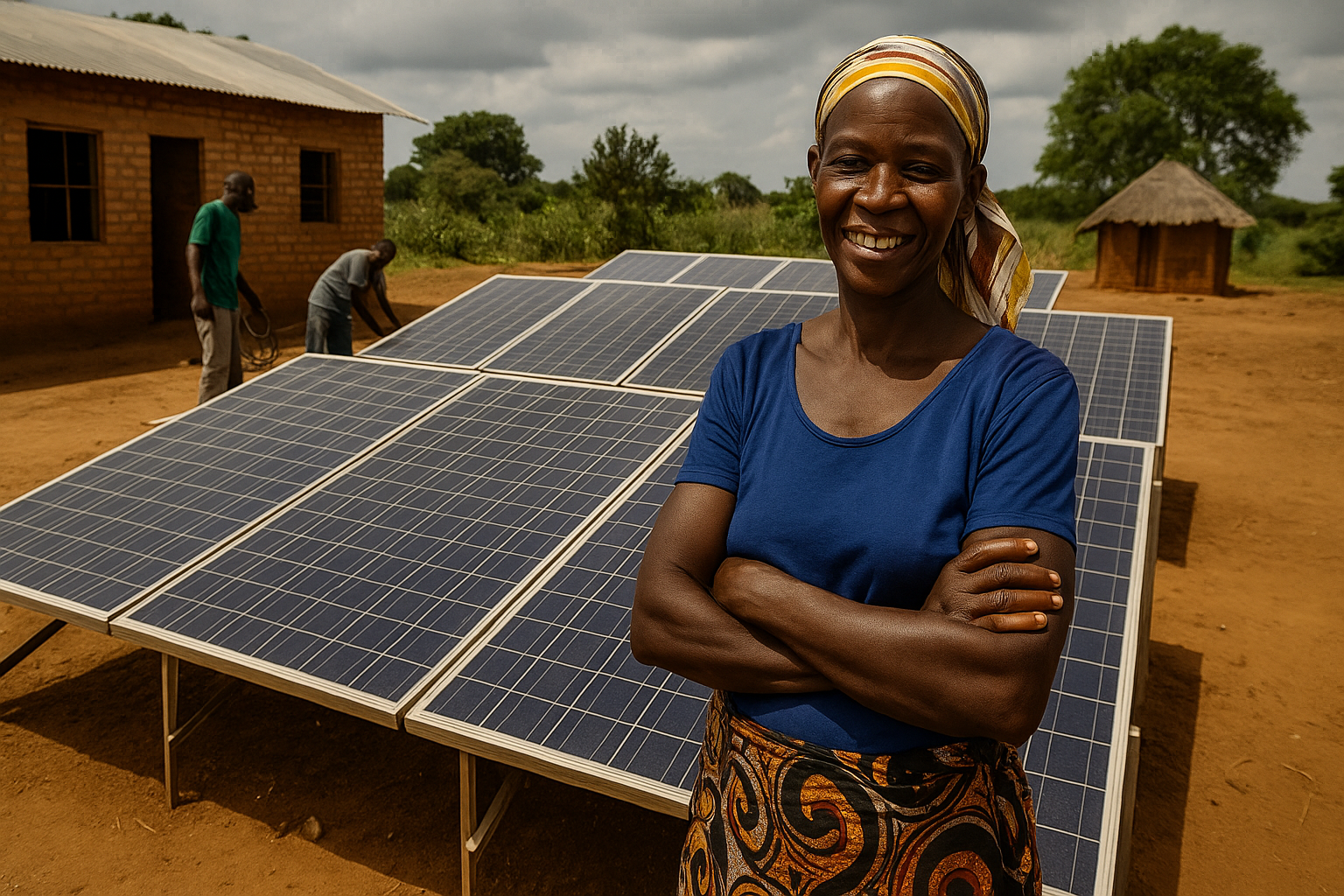
That was the quiet but powerful testimony of Ruth, a midwife in rural Kitui County, Kenya. Until 2021, her clinic operated without electricity. Then came a solar mini-grid installed through a community partnership with a local cooperative. Today, that light doesn’t just illuminate the delivery room; it powers a refrigerator for vaccines, charges phones, and keeps fans running during labour.
Africa’s just transition is often discussed in big numbers, policy reports, and high-level panels. But in places like Kitui, Gulu, and Bobo-Dioulasso, the transition is real, raw, and deeply personal. It is powered by human will as much as by watts. This is the frontline of a rural clean energy revolution, one that could define the continent’s future if properly supported.
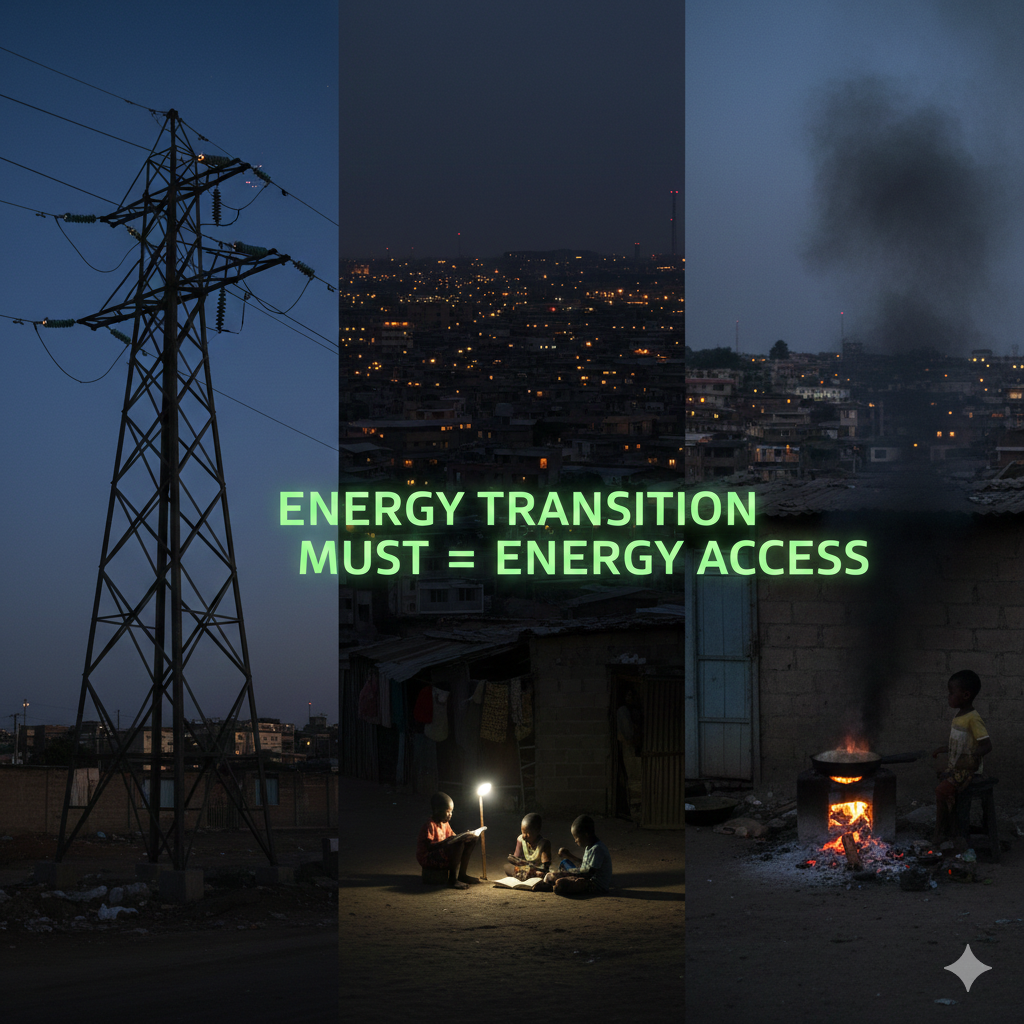
More than 590 million people across sub-Saharan Africa still lack access to electricity. The energy poverty gap is both a development and a justice crisis. Without reliable power, children can’t study at night, health centres can’t refrigerate vaccines, and local businesses can’t grow.
For rural communities, grid extension is slow, expensive, and often politically deprioritised. This is where decentralised solutions, solar mini-grids, solar home systems, biomass and micro-hydro offer not just energy but dignity, opportunity, and climate resilience.
In a village in northern Nigeria, Fatima leads a women-run solar kiosk initiative that powers 120 homes. It’s not just about energy; it’s about ownership. The project trains young women in electrical installation and maintenance, flipping gender roles on their head in a conservative region.
Across Africa, women are not just beneficiaries but change agents. They run energy cooperatives, train in technical skills, and lead advocacy to ensure just energy access. As we centre people in the transition, we must elevate these voices.
From solar-powered irrigation systems in Malawi to clean cooking stoves in Rwanda, youth-led innovation is driving inclusive climate solutions. In Uganda, a group of university students developed a low-cost biodigester to turn animal waste into cooking gas, a direct response to the local deforestation crisis.
These stories are not outliers. They are a growing wave. What they need is scale, policy support, and investment.
Decentralised energy solutions are not second-best. They are often the most practical, immediate, and affordable route to energy access. They reduce reliance on fossil fuels, empower communities, and build climate resilience.
But to scale this revolution, we need financing models that work for communities, not just corporations. We need governments to integrate decentralised energy into national energy plans, and we need global climate finance to flow to local solutions.
Too often, the voices of rural communities are missing from the rooms where energy decisions are made. Yet they are the ones who know what works and what doesn't. A just transition means putting them at the centre.
As Ruth, the midwife, puts it: "We didn’t wait for the government. We organised, we trained, and we found a partner who believed in us. That’s how we brought the light."
The clean energy revolution is not coming. It is already here. In huts, clinics, and schools. Led by women, youth, and communities who refused to wait.
Are we listening?
✨ Read More: Africa’s Climate Finance Crisis
🌟 Related Story: Africa’s Energy Transition Must Centre People, Not Just Technology
Contributor at Energy Transition Africa, focusing on the future of energy across the continent.
When the United States withdraws from global climate institutions, the consequences are never confined to Washington. They ripple outward through markets, multilateral banks, diplomatic alignments,...