Green Minerals, Grey Realities: Can Africa Avoid Another Resource Curse?
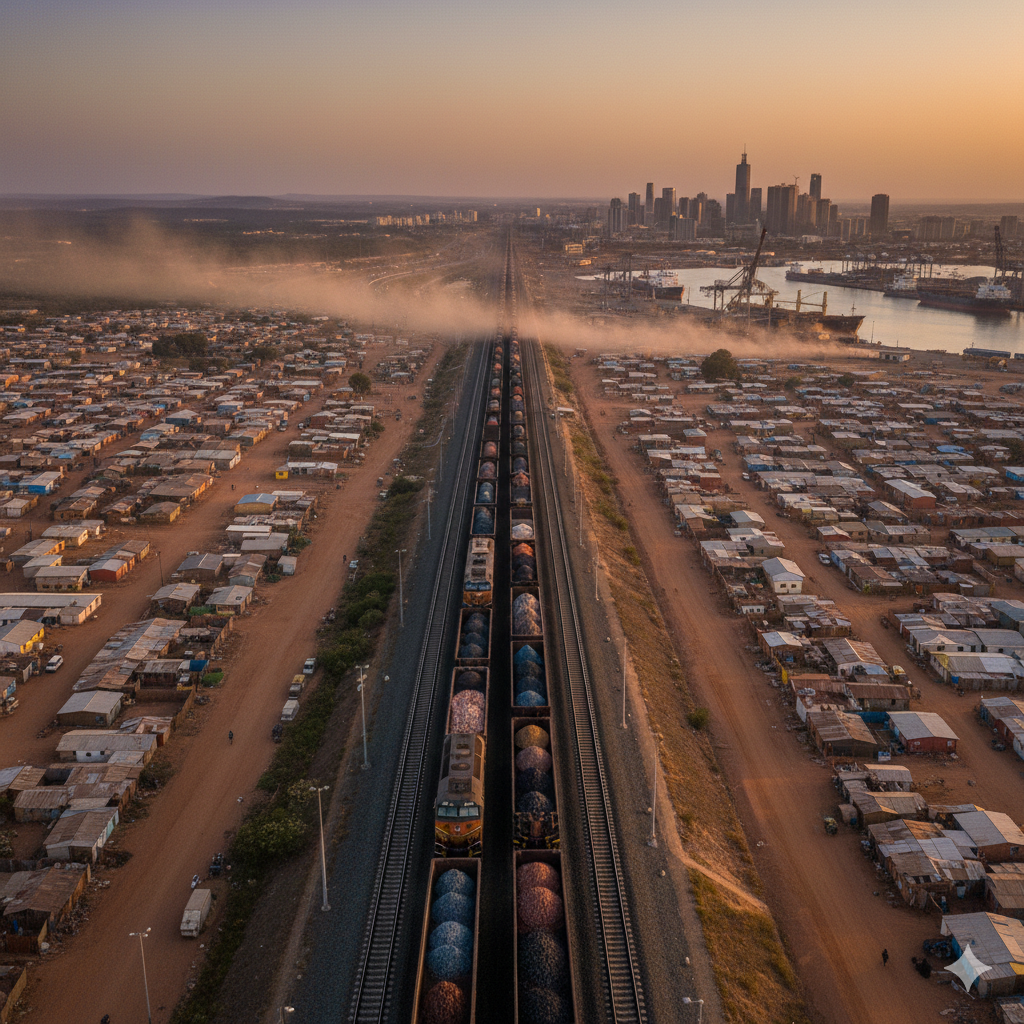
In parts of Africa, railways are being rehabilitated, ports are expanding, power lines are stretching across borders, and industrial corridors, once stalled by finance and politics, are re-entering...
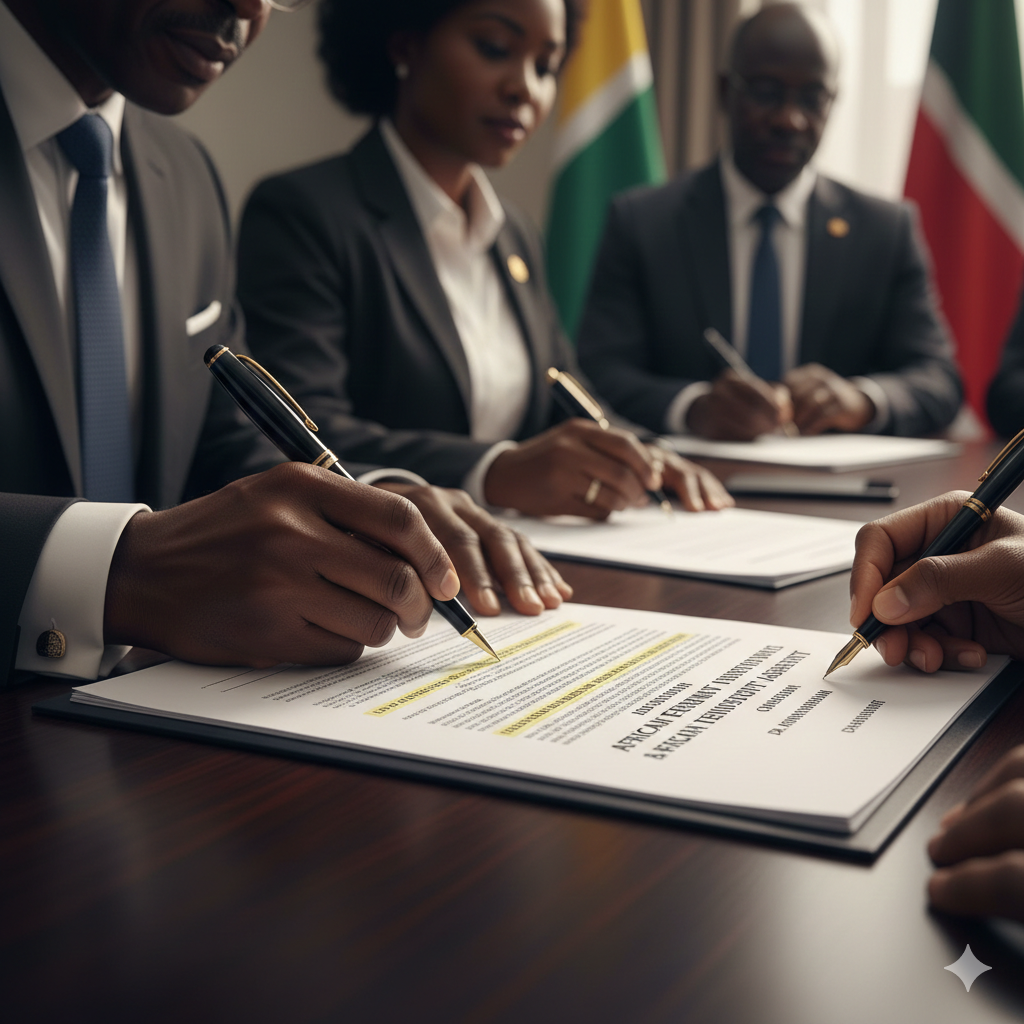
Africa is being courted again. This time, the language is cleaner: energy transition, critical minerals, clean infrastructure, climate finance. The urgency is sharper, the timelines are shorter, and...
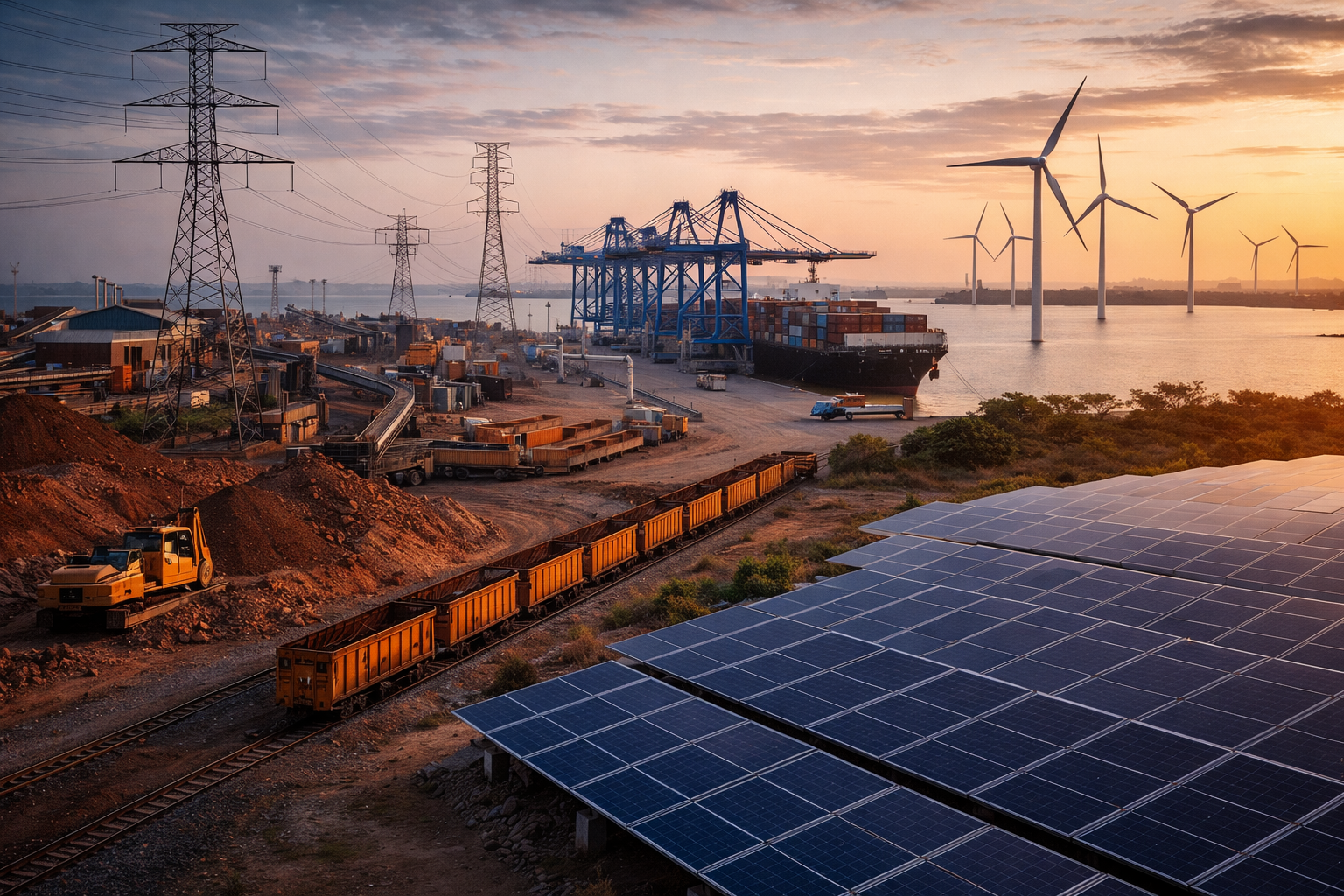
Across the plains of Namibia, the copper belt of the DRC, and the lithium fields of Zimbabwe, a quiet race is underway. It’s not a new one, though the names have changed. Cobalt. Lithium. Rare earths. The “green minerals” powering the energy transition are now Africa’s latest golden ticket.
Or are they?
This isn’t the first time Africa has stood at the crossroads of global demand and local dreams. From the oil booms of Nigeria to the diamond days of Sierra Leone, history has a way of repeating itself. And this time, the stakes are not only economic, they’re existential.
As the world moves to decarbonise, Africa’s mineral wealth is being cast as the missing piece in a clean energy puzzle. But beneath the fanfare lies a sobering truth: unless something fundamentally changes, the continent may once again find itself rich in resources but poor in power.
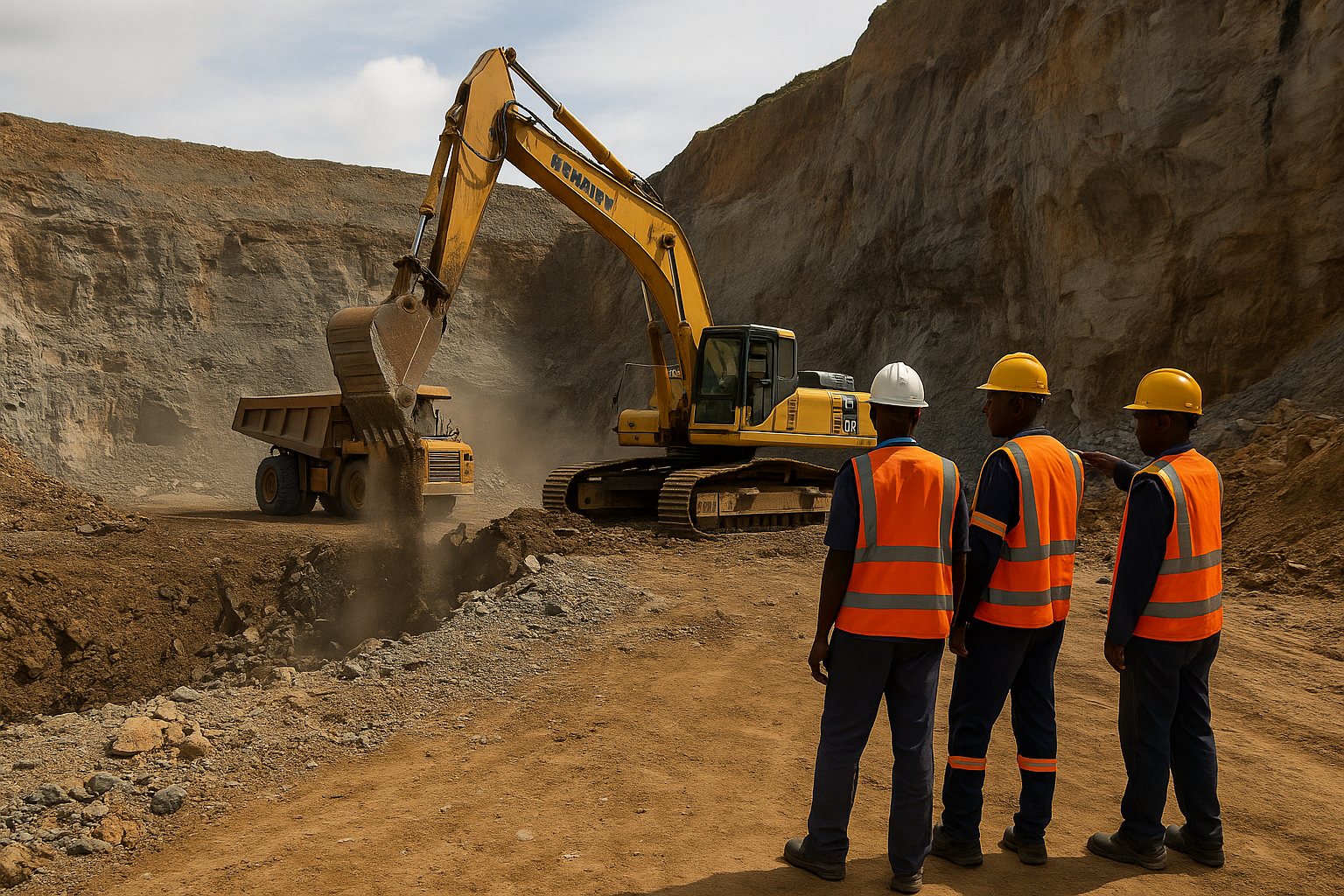
Africa holds some of the largest reserves of the minerals needed for electric vehicles, wind turbines, and solar panels. Over 70% of the world’s cobalt comes from the DRC. Zimbabwe is home to some of the richest lithium deposits. Namibia is drawing interest for its rare earth elements.
In the DRC, global giants like Glencore and China Molybdenum are ramping up operations. In Zimbabwe, lithium projects backed by Chinese and Australian firms are moving at breakneck speed. Namibia, meanwhile, has become a target for exploration amid rising geopolitical competition over critical supply chains.
Yet in these same places, local communities remain locked in poverty. Schools are underfunded. Roads remain potholed. Environmental degradation continues. And workers, more often than not, are paid a fraction of the value they help unlock.
Earlier this year, Zimbabwe made headlines by banning the export of raw lithium. The move, intended to drive local processing and job creation, sparked debates across the continent.
On the one hand, it was a bold attempt to shift the status quo, an effort to ensure that Zimbabwe doesn’t just export rocks, but batteries or even electric vehicles in the long term.
On the other hand, implementation challenges abound. The country lacks the industrial infrastructure and investor confidence to build refining capacity at scale. Without regional cooperation, such bans risk isolating producers or pushing deals underground.
Still, the message is clear: Africa wants more than the crumbs of the clean energy revolution.
Read more on local beneficiation from our recent blog
The Democratic Republic of Congo is no stranger to the contradictions of resource wealth. Despite being the world’s cobalt capital, it remains among the poorest nations globally.
Mining audits and recent legal reforms aim to claw back transparency. The government has been reviewing historical contracts, some of which have been criticised for undervaluing state assets or lacking public oversight.
Civil society organisations such as Publish What You Pay have called for contract disclosure, environmental assessments, and stronger community benefit mechanisms. These are not just demands, they’re lifelines for a country that has long watched its riches flow outward with little to show for it.
The term “resource curse” was born out of Africa’s oil history. From Angola to Nigeria, the discovery of oil promised prosperity, but delivered corruption, conflict, and environmental ruin in many cases.
There’s a lesson here.
The green transition will fail if it replicates the very injustices it seeks to undo. Building a just energy future means building a just economic one too.
That includes:
The African Union’s Africa Mining Vision already lays the groundwork. But implementation is patchy, and too often donor-driven.
Regional Economic Communities (RECs) like SADC and ECOWAS must move beyond trade talk to enforce harmonised mineral policies. The fragmentation of African regulatory environments benefits foreign investors but weakens the continent’s collective bargaining power.
Imagine if DRC, Zambia, and Zimbabwe had a joint refining policy, or a shared fund to support battery manufacturing. Imagine if Namibia coordinated rare earth exports with the AU rather than competing for marginal gains.
This kind of collaboration isn’t idealistic, it’s pragmatic. Without it, Africa will continue to sell cheap and buy back expensive.
At the heart of it all is ownership, not just of the minerals but of the narrative.
Are African communities part of the decision-making process? Are African scientists, engineers, and entrepreneurs leading innovation in green tech? Are women, who bear the brunt of displacement and pollution, being heard?
There’s still time to change course.
The energy transition doesn’t automatically mean a just transition.
Green minerals may power Teslas in California or solar panels in Berlin. But if they leave behind toxic pits, dispossessed communities, and squandered opportunity in Africa, then what we’re building is not a cleaner world—just a shinier injustice.
This is Africa’s moment to choose. Between being the engine of its own transformation, or the supplier for someone else’s.
It begins with transparency. With coordination. With courage.
And above all, with following the money, carefully, accountably, and together.
🔗 Explore related reads:
Contributor at Energy Transition Africa, focusing on the future of energy across the continent.
Africa’s minerals are no longer peripheral to the global economy. They now sit at the centre of the clean-technology transition that will define industrial power in the twenty-first century. Lithium,...