Why Africa Must Stop Exporting Wealth: The Case for Processing Our Own Minerals
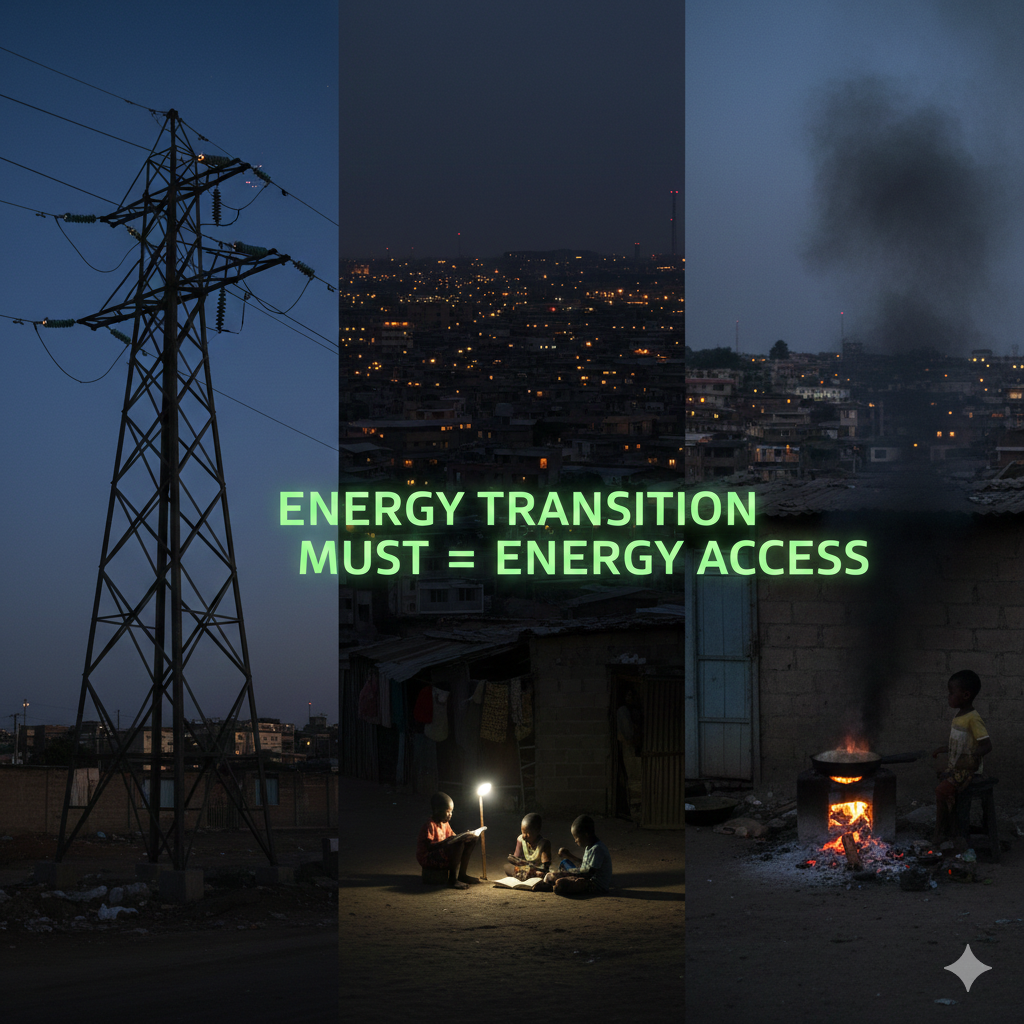
There is a phrase that has followed Africa through almost every global climate forum in recent years: “clean energy for people and planet.” And it sounds inclusive, moral and hard to argue against....
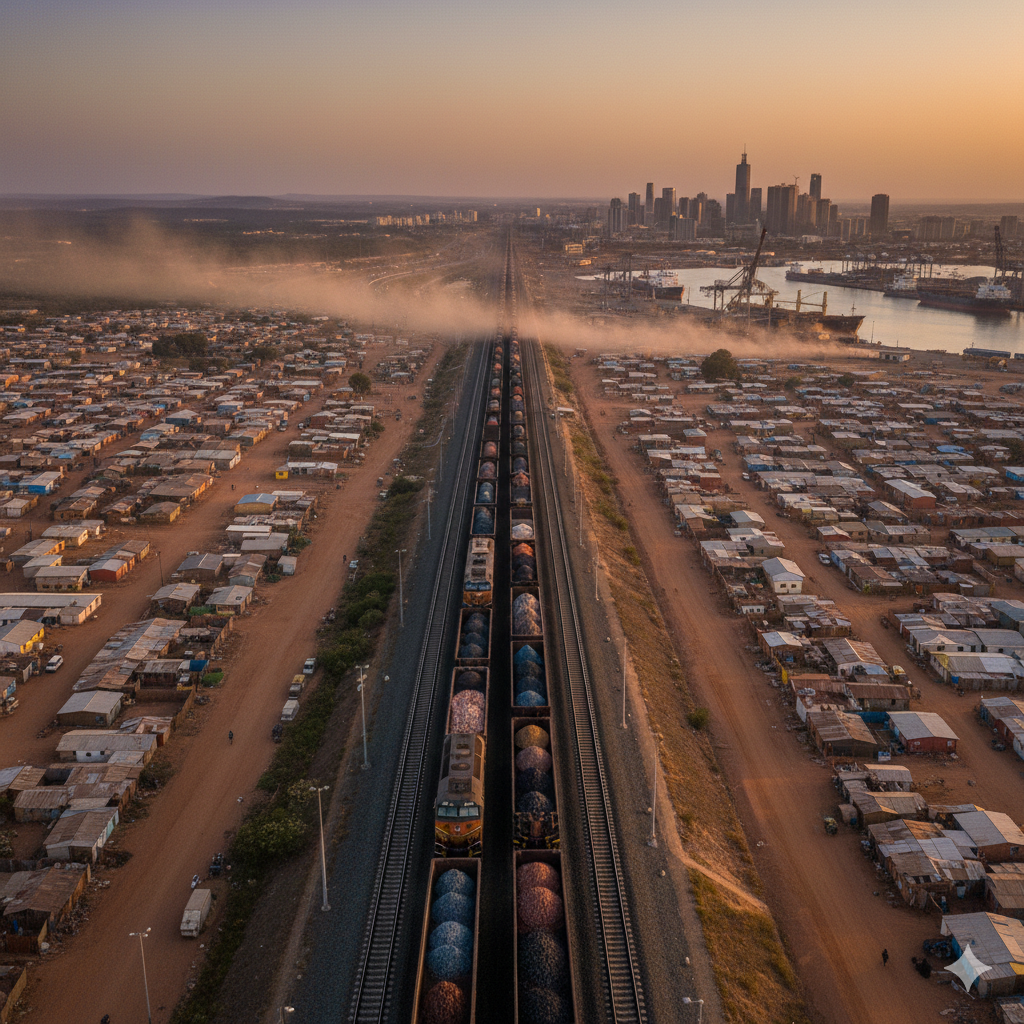
In parts of Africa, railways are being rehabilitated, ports are expanding, power lines are stretching across borders, and industrial corridors, once stalled by finance and politics, are re-entering...
“If we keep selling the raw and buying the refined, we’ll always be poorer than we are rich.”
That line, from a young Ghanaian engineer at a mining expo last year, stuck with me. And as African Mining Week 2025 approaches, it echoes louder than ever.
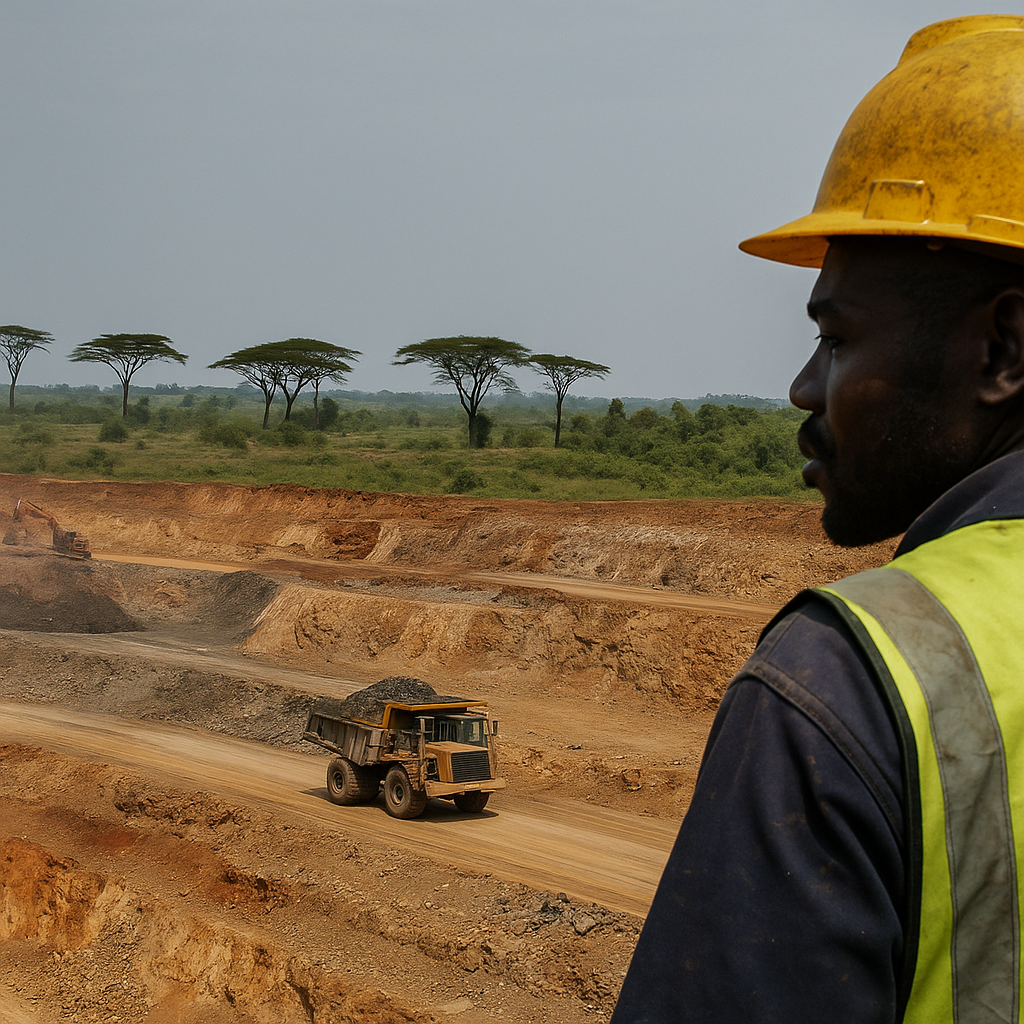
Africa is home to 30% of the world’s mineral reserves, including cobalt, lithium, graphite, manganese, and rare earths that are now the lifeblood of the energy transition. Yet we continue to ship these critical minerals overseas in raw form, only to import them back as batteries, wind turbine components, or EV parts, at a price we can’t afford and in a form we didn’t shape.
This is more than a trade imbalance. It’s a structural trap. And if African governments, industry leaders, and civil society don’t act now, the green transition risks becoming yet another era of extraction without transformation.
The African Development Bank estimates that Africa loses billions annually by exporting unprocessed minerals. In 2023, raw lithium exports from Zimbabwe alone generated $209 million. But had they been processed into battery-grade materials, the revenue could have tripled.
Processing minerals locally isn’t just about higher profits. It’s about jobs, skills, and supply chain resilience. Countries like Indonesia, which banned raw nickel exports in 2020, are already reaping the benefits, attracting investments and becoming global battery hubs.
So why is Africa still stuck?
Several reasons explain the sluggish pace of beneficiation:
But these are not excuses. They are challenges, solvable ones.
The key to unlocking beneficiation lies not just in national action but in regional collaboration. Imagine a West African battery corridor where Ghana processes bauxite, Guinea supplies alumina, and Nigeria builds the assembly plants. Or a Southern African green minerals alliance that makes Zimbabwe, Namibia, and South Africa the continent’s EV component capital.
The African Continental Free Trade Area (AfCFTA) provides the legal and policy basis to make this vision a reality. So does the African Union’s Green Minerals Strategy, which is expected to prioritise beneficiation, skills, and environmental safeguards.
As we wrote in “Follow the Money: Is Africa Really Getting Its Fair Share of Climate Finance?”, large-scale finance continues to miss locally driven solutions. We can’t wait for others to invest in our industrial future, we must lead.
It’s not just an economic issue. It’s a justice issue. The green transition cannot be just if it replicates the colonial economic logic of raw extraction and foreign value addition.
Africa’s youth unemployment crisis won’t be solved by mining alone. But beneficiation can catalyse industrial jobs, STEM careers, and innovation ecosystems.
In “Workers on the Frontlines: How African Miners Are Reclaiming the Meaning of Just Transition”, we reported how unions are demanding safety, equity, and local processing to stop the cycle of exploitation.
If the rest of the world wants Africa’s minerals for their clean energy future, they must be willing to support Africa’s right to process, manufacture, and export higher-value goods.
As we head into African Mining Week 2025, the question is not whether Africa can beneficiate its minerals.
It’s whether we will continue accepting raw deals or finally process our way to prosperity.
Because a just transition must include industrial transformation. And that means no more raw deals.
Contributor at Energy Transition Africa, focusing on the future of energy across the continent.
Africa is being courted again. This time, the language is cleaner: energy transition, critical minerals, clean infrastructure, climate finance. The urgency is sharper, the timelines are shorter, and...