Subsidies, Storage and Sovereignty: Africa’s Hidden Grid Challenge
For more than a decade, the global energy transition has been sold as a story of technology. We are told solar panels are getting cheaper, wind turbines are getting taller, and batteries are...
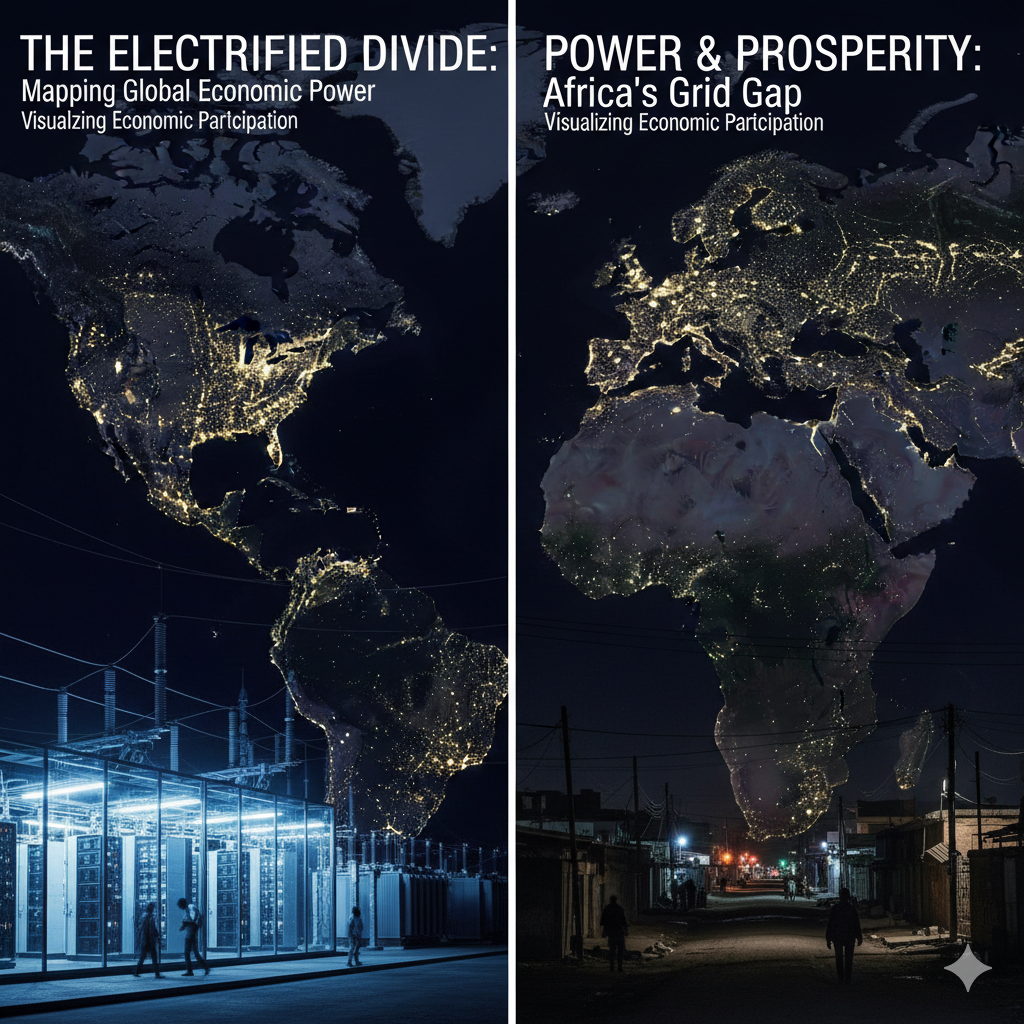
For most of modern economic history, electricity demand has followed growth. When economies expanded, electricity use rose steadily and predictably, rarely faster. That relationship is now breaking....
At the COP30 roundtable in Belém, UN Secretary-General António Guterres issued a quiet but pointed warning: “The world will not achieve clean energy for all unless we invest massively in grids, storage and end fossil fuel subsidies.”
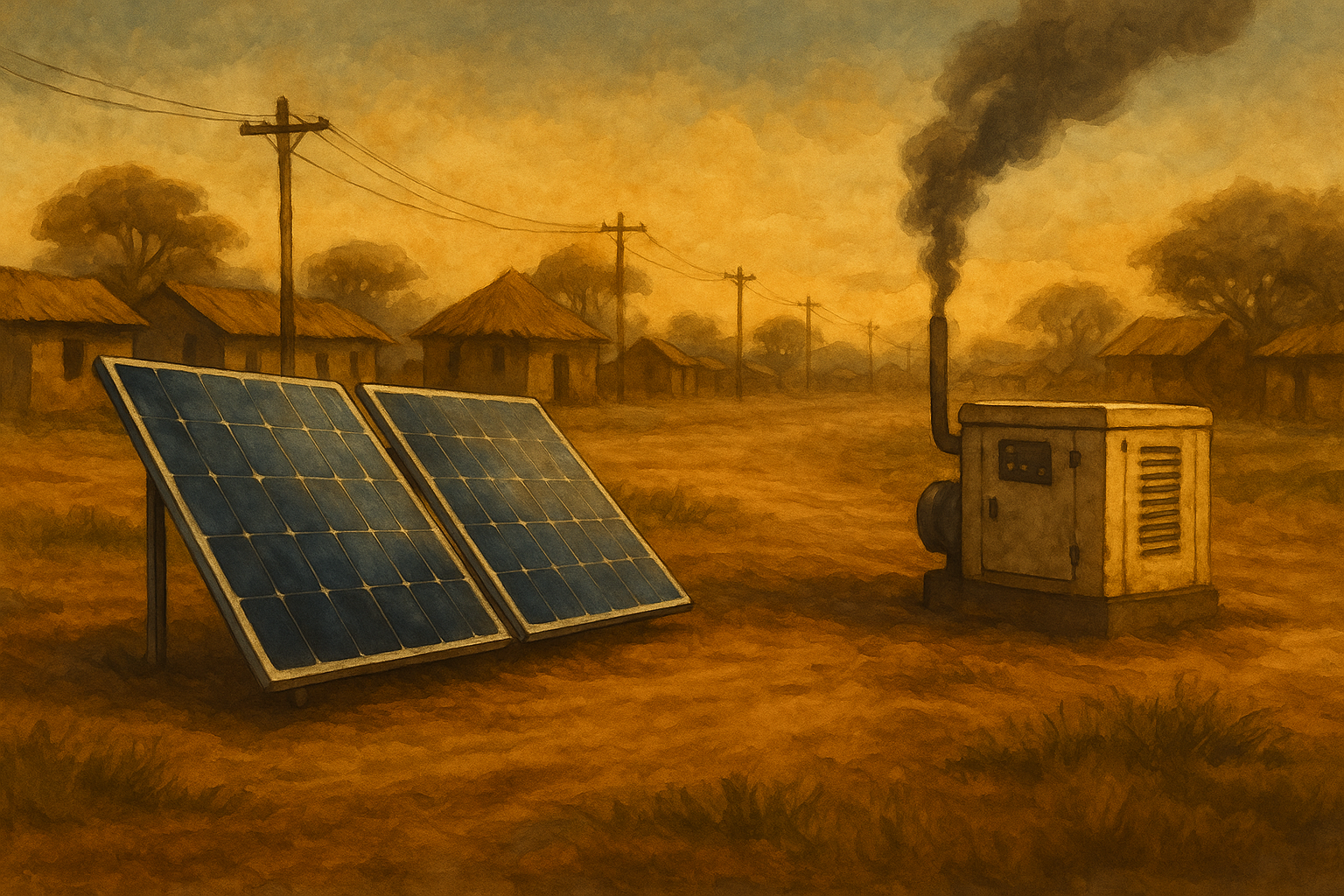
It was a statement that resonated far beyond the halls of climate diplomacy. For Africa, a continent simultaneously rich in renewable potential and trapped in fossil fuel dependency, his words cut to the heart of a rarely discussed paradox: we are building solar and wind farms on grids held together by diesel, debt and decades of underinvestment.
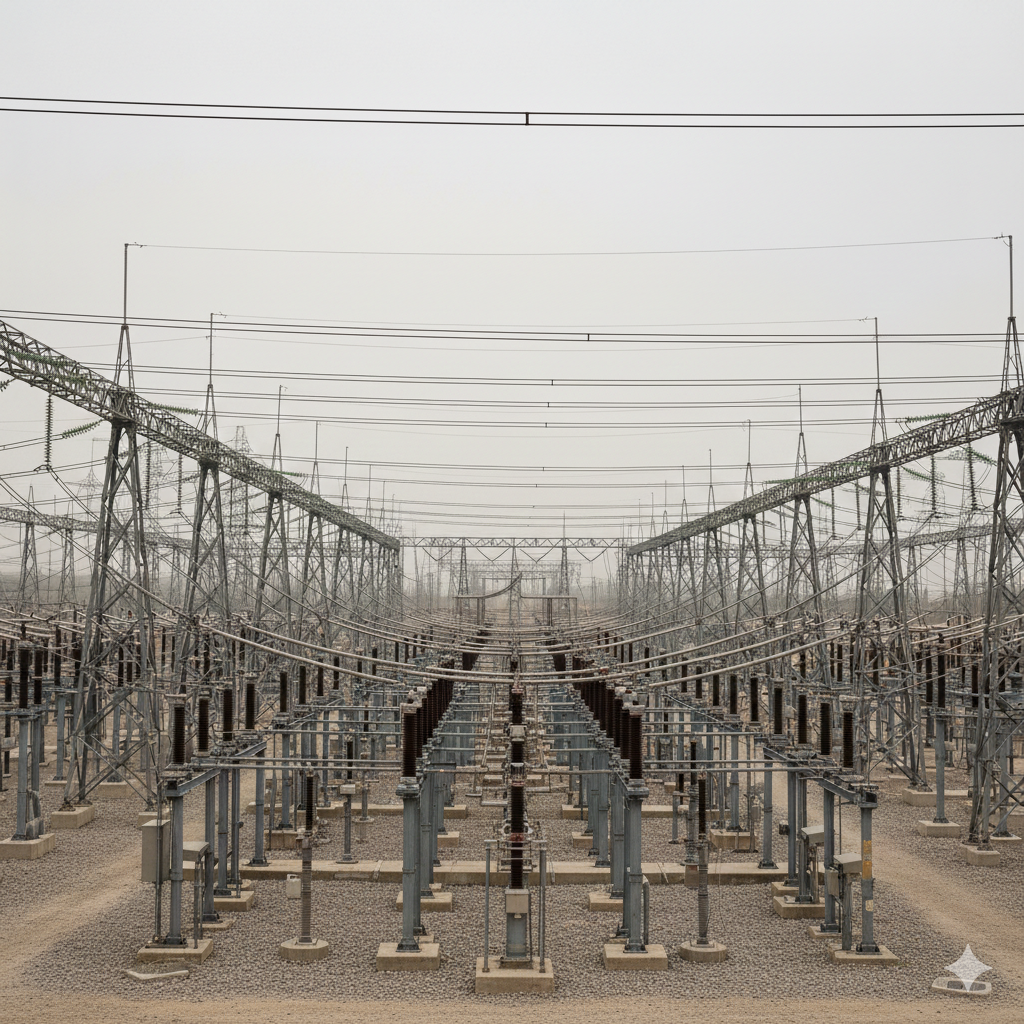
Across the continent, policymakers speak of green industrialisation and clean energy futures. But the infrastructure beneath that ambition; ageing transmission lines, inadequate storage capacity and persistent fossil fuel subsidies, tells a different story. Africa’s transition is not only an issue of megawatts installed; it is a struggle over who controls future power, literally and politically.
In northern Kenya’s Turkana, towering wind turbines spin over desert hills. Yet large portions of the electricity they generate have nowhere to go, the transmission line to the grid was delayed, costing the Kenyan government over $50 million in compensation. In Nigeria, hundreds of solar mini-grids light health clinics and rural homes, until the sun sets and diesel generators thrum back to life. In South Africa, rooftop solar is booming in wealthy suburbs while load shedding deepens inequality between those who can afford inverters and those who cannot.
These are not anomalies; they are symptoms of a deeper problem. Africa’s energy transition is not failing because of a lack of sunshine or ambition. It is constrained because the continent is trying to plug twenty-first century technologies into twentieth-century infrastructure. According to the International Energy Agency (IEA), Africa needs to invest over $120 billion per year through 2030 in grid expansion and modernisation to meet rising electricity demand and integrate renewables successfully. Today, less than $30 billion is being spent annually. Grid investment is lagging three times behind what is required.
At the same time, African governments are spending billions to keep fossil fuels alive. The International Monetary Fund (IMF) estimates that explicit and implicit fossil fuel subsidies in Africa reached $50 billion in 2023, dwarfing renewable energy investments.
These subsidies were born from a noble social contract, to protect citizens from energy poverty. But today, they create a lock-in effect: governments cannot easily invest in storage or transmission upgrades while they are still funding diesel imports and petrol rebates.
Solar panels do not work at night. Wind turbines go still. Without storage, renewables remain intermittent, and fossil fuels step in as backup.
Yet storage is where Africa invests the least.
A World Bank report shows that less than 2 percent of Africa’s energy financing between 2018 and 2023 went to battery storage or pumped hydro systems. Most mini-grid operators still pair solar with diesel generators because batteries are too expensive, import duties are high, and local technicians are scarce.
In Sierra Leone, a 50 kW solar mini-grid in Kambia district powers homes during the day, but at night the system switches to diesel to keep the lights on. In Ghana, community health centres powered by donor-funded solar arrays sit idle after sunset because batteries failed, and replacements never arrived.
The result is a silent fossil dependency built into Africa’s renewable success stories. The continent is greening electricity supply, but it is not yet decarbonising energy systems.
Nigeria, Africa’s largest economy, encapsulates the tension.
The government removed petrol subsidies in 2023 to free up public finances. Yet at the same time, it approved new investments in gas-fired power plants and granted tax incentives to multinational oil firms to boost offshore crude output. Solar mini-grids are being deployed in rural areas, but the national grid still collapses under peak demand, forcing hospitals, factories and households to rely on diesel generators. Nigerians spend an estimated $14 billion annually on self-generation.
The transition is happening, but it is happening on fossil foundations.
Guterres did not use the word “sovereignty,” but African leaders heard it anyway. Because this is not only about climate; it is about control.
When grids are weak, storage absent and subsidies high, Africa becomes dependent on imported diesel, foreign-made solar panels, borrowed capital and external consultants. The tools of energy remain in someone else’s hands.
True sovereignty in the energy transition means:
Storage is not merely a technical add-on; it is the backbone of renewable sovereignty. Without it, solar and wind remain dependent on fossil backup. With it, Africa can leapfrog centralised utilities and design decentralised, community-owned power systems.
Examples are beginning to emerge:
These cases prove that storage is not a dream. It just requires political will, concessional finance and policy stability.
If Africa is to move from dependency to sovereignty, three shifts are essential.
1. Reform Fossil Subsidies With Justice
Reform should not mean removing subsidies overnight. It must protect vulnerable households while redirecting savings into grid upgrades, storage systems and local manufacturing of renewable technologies.
2. Invest in Infrastructure That Lasts
Renewables without transmission lines are stranded assets. Mini-grids without batteries are diesel hybrids. Africa needs coherent investment: substations, microgrid control systems, interconnectors and storage, not just solar panels.
3. Build the People Who Will Build the Grid
Every transformer installed should come with a trained technician. Energy ministries must work with polytechnics, universities and local businesses to create the next generation of grid engineers, battery specialists, EV technicians and data analysts.
Africa’s energy future will not be defined by the number of turbines or panels installed. It will be defined by whether those systems are stable, sovereign and serve the people who live beside them.
Subsidies, storage and sovereignty are three sides of one truth:
Without rethinking how we finance, store and govern power, the transition will rest on diesel, debt and dependency.
Guterres’s message from Belém was not simply a plea for climate ambition. It was an invitation to rethink power, who owns it, who benefits from it and who gets left in the dark.
Africa cannot afford another century of energy built elsewhere and borrowed at interest. The transition is not just about replacing coal with solar; it is about replacing dependency with dignity.
Contributor at Energy Transition Africa, focusing on the future of energy across the continent.
As Mining Indaba opens in a few days, one point of alignment is already clear: value addition has become the dominant political language around Africa’s future in critical minerals. From policy...