Nigeria’s Gas Gamble: Can a Fossil Future Deliver a Just Transition?

For much of Africa, the diesel generator has become an unspoken pillar of the economy. It powers factories when the grid fails, keeps hospitals running during blackouts, and underwrites commercial...
For years, the global energy transition has been narrated as a linear story: renewables rise, fossil fuels fall, and gas fades as a temporary bridge. That story is now colliding with reality. In late...
Nigeria has bet big on gas, but will the gamble pay off, or leave the country with stranded assets and empty promises?
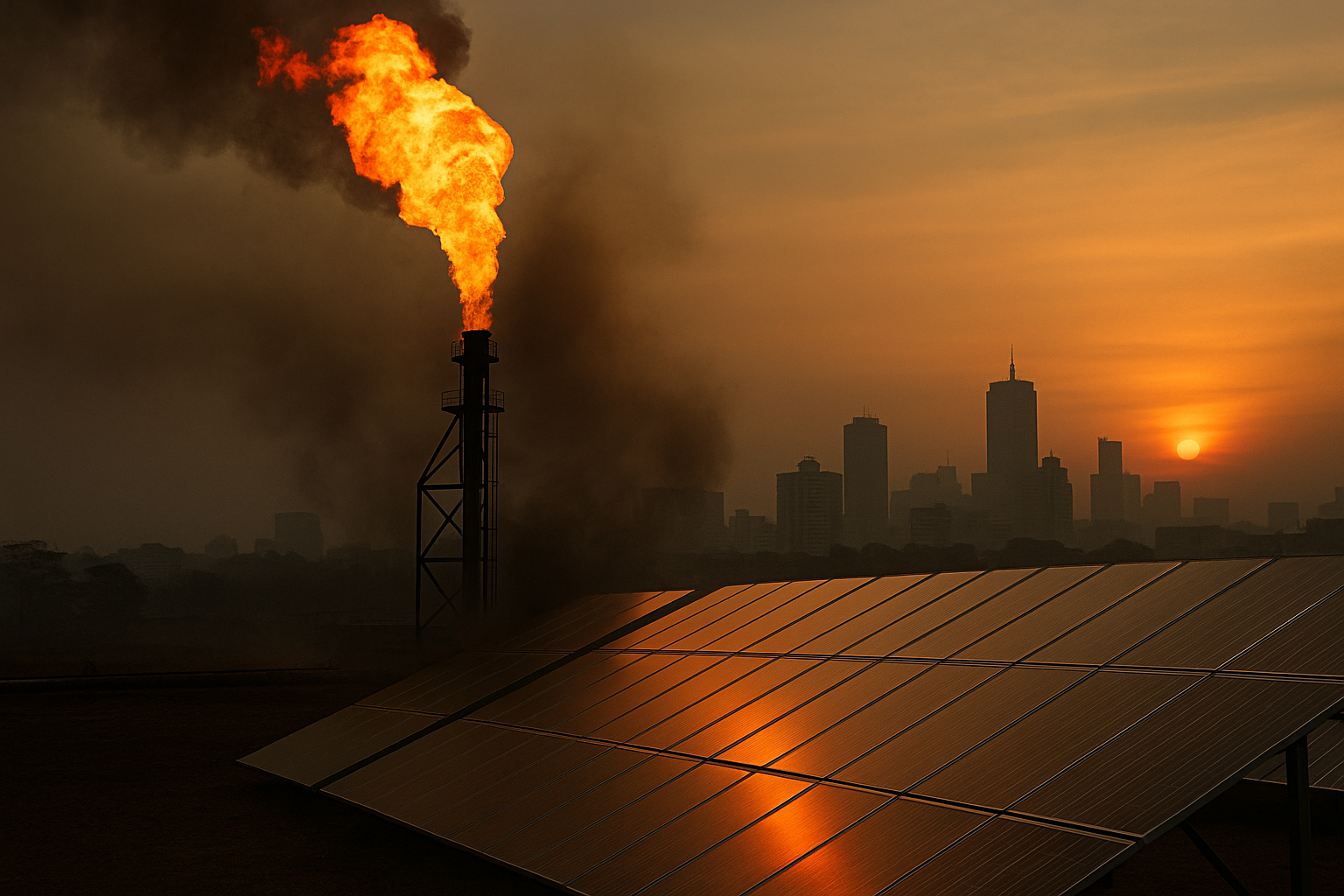
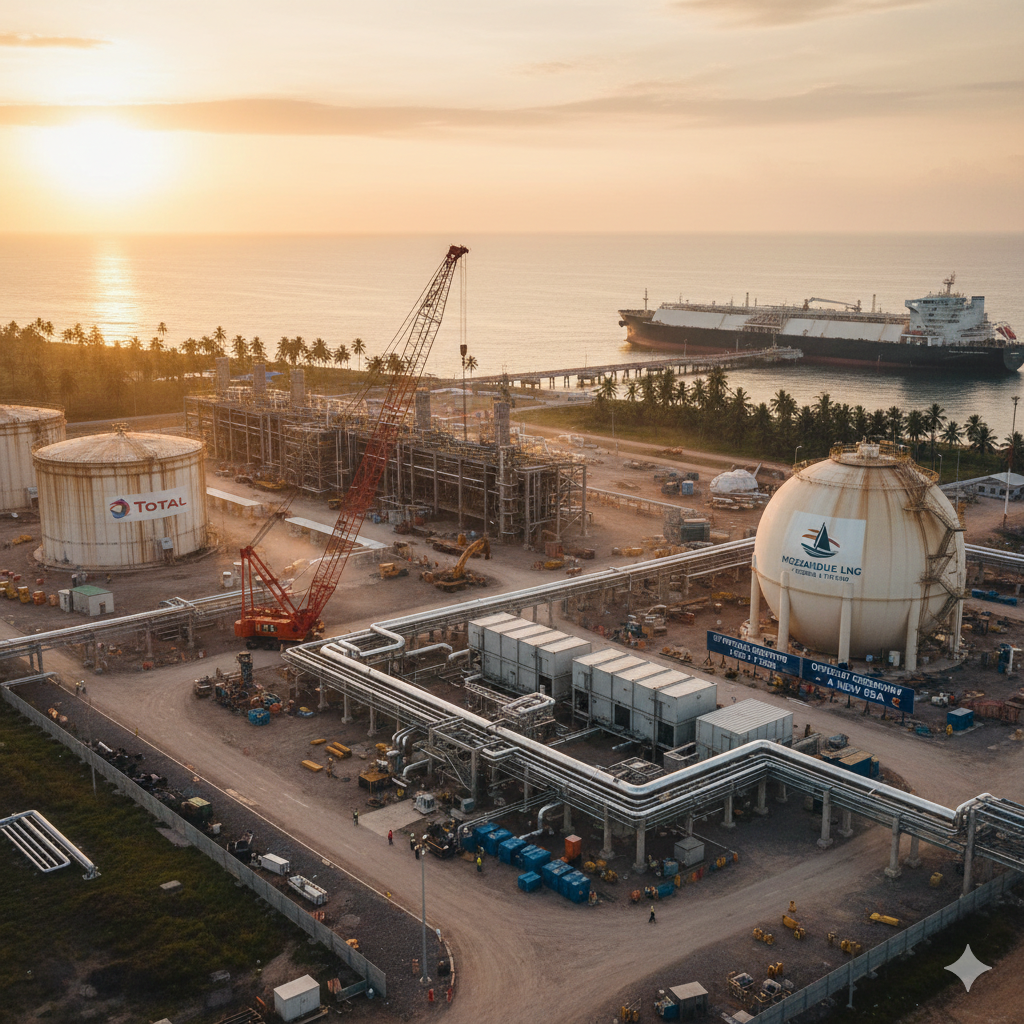
Nigeria’s recently updated Nationally Determined Contribution (NDC) has put natural gas at the centre of its climate and energy strategy. The plan targets 17 gigawatts of gas-fired capacity by 2035, more than double current levels. Gas is described as a “transition fuel” that can bridge the gap between coal and oil and a renewable future.
In Abuja, policymakers frame this as a pragmatic choice. Nigeria is Africa’s largest oil and gas producer, with abundant reserves and existing infrastructure. Officials argue that gas offers reliable baseload power, supports industrialisation, and generates revenues that renewables cannot yet match.
But the timing raises questions. As global markets shift, Nigeria’s gas gamble may deliver short-term stability at the cost of long-term resilience.
The decision comes at a moment when natural gas faces growing headwinds.
In short, Nigeria is scaling up gas just as the global appetite for new gas infrastructure is set to decline.
Nigeria’s bet on gas is also about money. Fossil fuels have long been treated as fiscal lifelines. Oil and gas revenues fund public wages, education systems, subsidies, and infrastructure. When oil prices collapsed in 2014, Nigeria slid into recession. Today, gas is seen as a safer hedge against volatility.
Yet overdependence is a structural weakness. As we argued in Fossil Fuel Revenues in Decline: Who Pays for Africa’s Transition?, the era of stable fossil rents is ending. A just transition requires replacing this fragility with more resilient revenue systems, not doubling down on a commodity that may itself be stranded within two decades.
Gas projects require massive upfront investment: pipelines, LNG plants, power stations. These assets are designed to operate for decades. If demand peaks in the 2030s, as projected, Nigeria could be left with stranded assets worth billions.
Carbon Tracker estimates that $400 billion in African gas projects are at risk of stranding by 2040. Nigeria, as the continent’s largest producer, bears a disproportionate share of that risk.
Stranded infrastructure does not just mean lost revenues. It means unpaid debts, fiscal crises, and social spending cuts. For a country already struggling with debt service, the gamble looks less like resilience and more like a high-stakes risk.
Proponents of gas argue that it is essential for a just transition. Nigeria still faces widespread energy poverty: more than 85 million Nigerians lack access to electricity, and power outages remain common even in urban areas. Gas, it is argued, can provide the reliable baseload power needed to drive industrialisation, create jobs, and expand access.
But justice cannot be defined by short-term fixes. If gas delays the uptake of cheaper renewables, burdens communities with pollution, and leaves Nigeria with stranded debts, it undermines justice in the long run. A just transition is not about replacing coal with gas; it is about ensuring affordable, clean, and resilient energy for all.
Other regions offer lessons for Nigeria.
Nigeria’s path looks closer to Argentina’s than Chile’s. The question is whether Abuja can recalibrate in time.
Gas does have a domestic case. Industries need reliable power, and Nigeria’s manufacturing sector is constrained by grid instability. Gas can provide short-term stability for cement, steel, and fertiliser industries.
But this must be weighed against opportunity cost. Every dollar invested in gas plants is a dollar not invested in solar mini-grids, wind, or transmission upgrades. As prices fall, renewables increasingly provide cheaper and faster-to-deploy solutions.
Nigeria’s gas gamble has also sparked domestic debate. Civil society organisations argue that investing in gas locks Nigeria into a carbon-heavy future while missing the chance to lead on renewables. Internationally, the move has drawn criticism from climate advocates who see it as incompatible with the Paris Agreement’s phase-out trajectory.
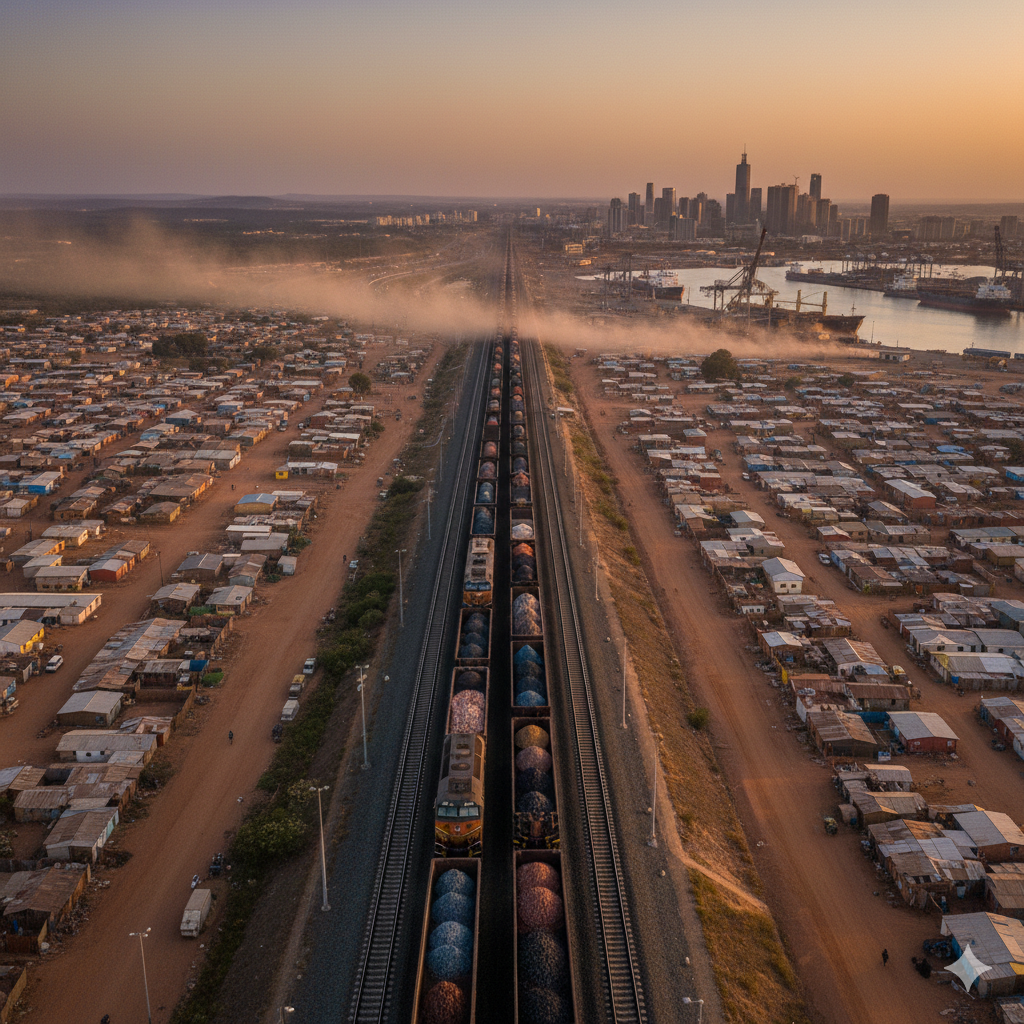
In our previous post, Just Transition in Africa: Beyond Rhetoric, Towards Real Communities, we stressed that justice means prioritising communities, not commodities. The question is whether Nigeria’s gas plan answers to citizens’ needs or investors’ demands.
Nigeria is not just any country. As Africa’s largest economy and fossil fuel producer, its policy choices set precedents. If Nigeria frames gas as central to its transition, other producers, from Angola to Senegal, may follow suit.
This makes Nigeria’s gas gamble not just a national decision but a continental signal. It raises the stakes for Africa’s collective phase-out agenda.
If gas is to play a transitional role without becoming a trap, several conditions are essential:
Nigeria’s new NDC reflects a familiar story: fossil fuels as lifelines. Yet doubling down on gas risks turning lifeline into liability.
Global markets are moving away, investors are retreating, and stranded asset risks loom. The gamble may provide temporary fiscal relief, but it could also deepen dependency and delay the renewable transition.
For Africa’s largest economy, the stakes could not be higher. If Nigeria bets on gas and loses, the cost will not just be stranded assets; it will be communities left behind in darkness while the world moves toward light.
Contributor at Energy Transition Africa, focusing on the future of energy across the continent.
In parts of Africa, railways are being rehabilitated, ports are expanding, power lines are stretching across borders, and industrial corridors, once stalled by finance and politics, are re-entering...