Mining’s Hidden Toll: Women, Children, and the True Cost of Clean Energy
For more than a decade, the global energy transition has been sold as a story of technology. We are told solar panels are getting cheaper, wind turbines are getting taller, and batteries are...
For most of modern economic history, electricity demand has followed growth. When economies expanded, electricity use rose steadily and predictably, rarely faster. That relationship is now breaking....
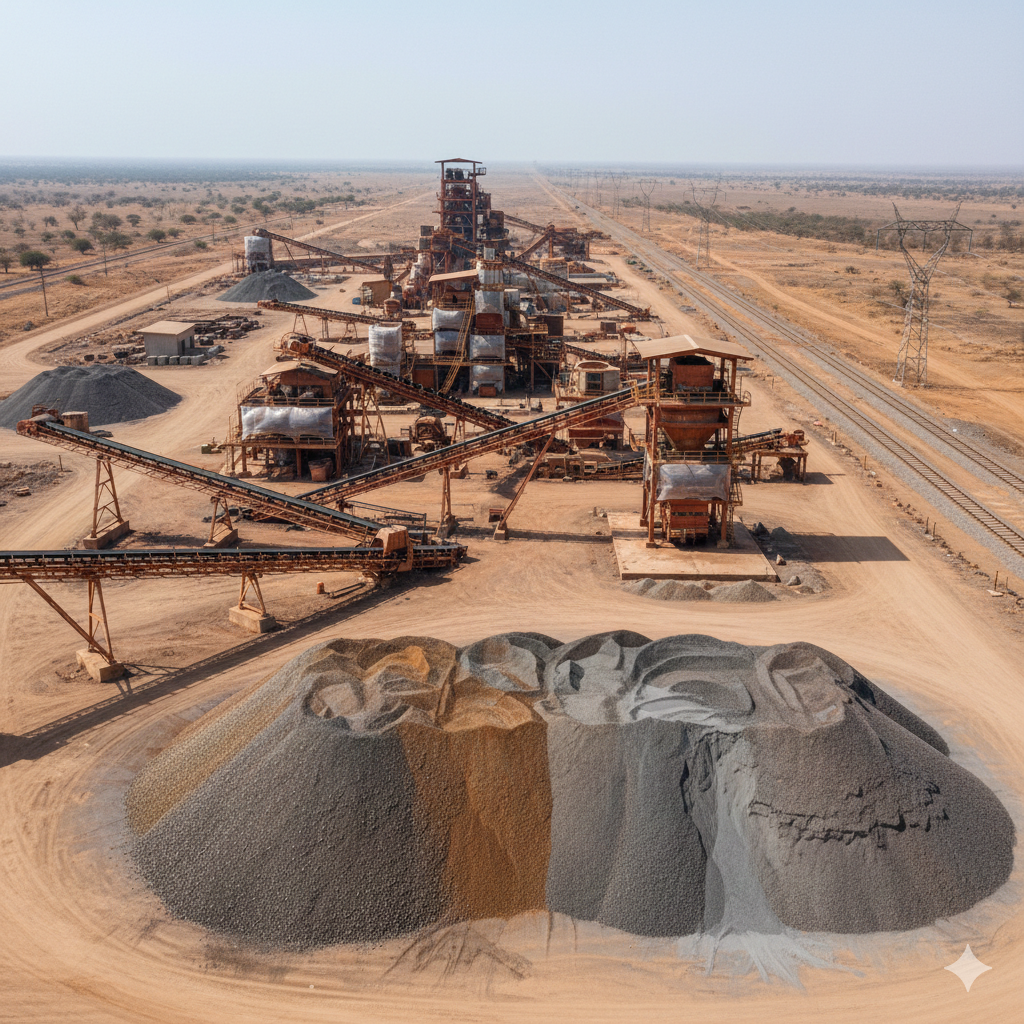
As New York Climate Week convenes global leaders, financiers, and activists to discuss accelerating the clean energy transition, one reality remains uncomfortably absent from the grand pledges: the invisible human costs borne by women and children in Africa’s mining communities.
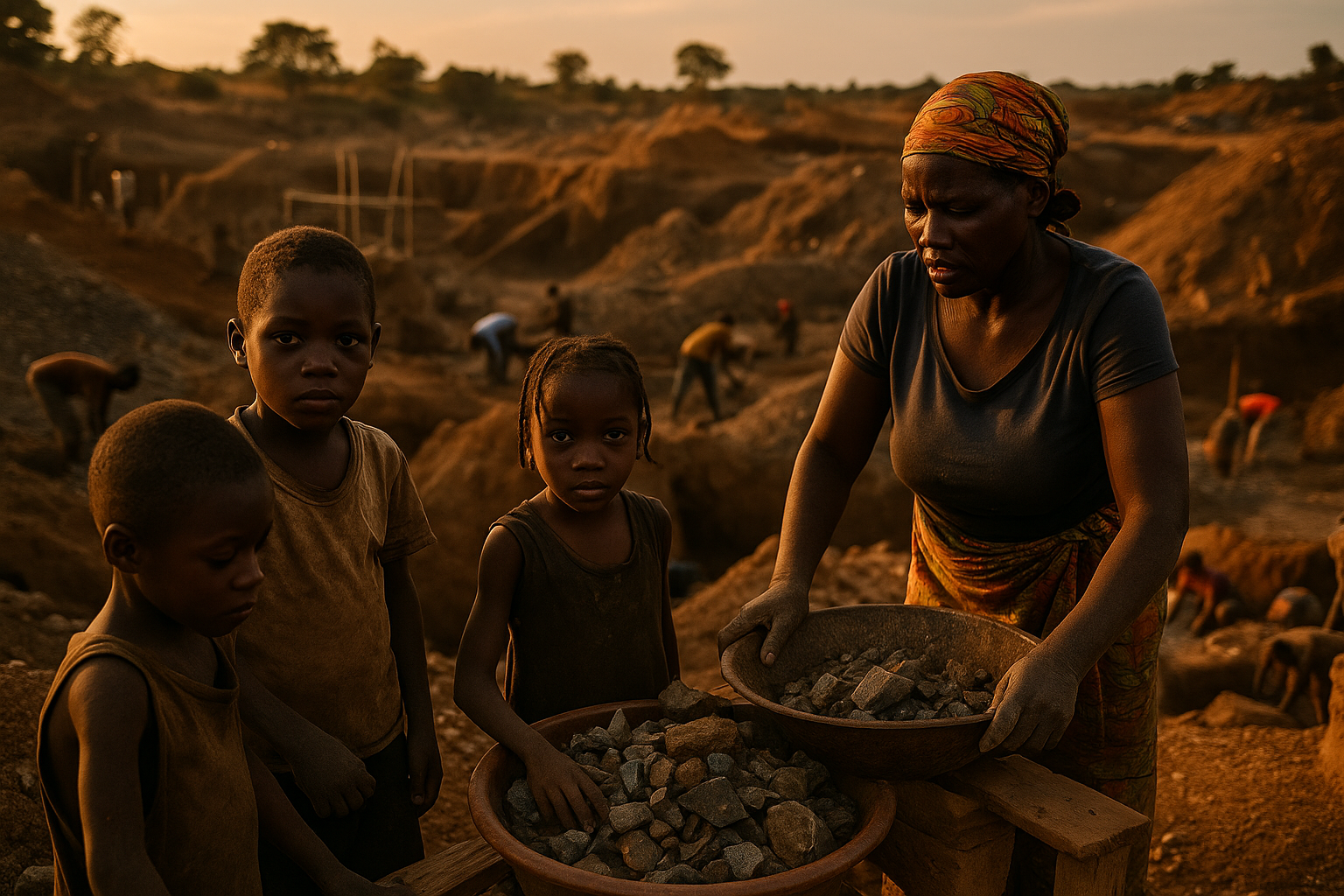
The minerals that power solar panels, wind turbines, and electric vehicle batteries, cobalt, copper, lithium, and manganese, are extracted in conditions that too often violate basic rights. Reports estimate that tens of thousands of children work in cobalt mines in the Democratic Republic of the Congo (DRC), which supplies over 70% of the world’s cobalt. Women, meanwhile, perform the lowest-paid and riskiest mining tasks, while also carrying the unpaid burden of caregiving.
A TIME investigation published this month underscored what civil society across Africa has long warned: without stronger safeguards, the clean energy transition risks being built on exploitation rather than justice (TIME).
This editorial examines the impacts of mining on children and women, the systemic weaknesses enabling them, and what Climate Week commitments must include if they are to avoid perpetuating extractivist injustice.
Children in African mining regions are trapped in a cycle of exploitation. In artisanal mines across the DRC, Zambia, and parts of Nigeria, boys as young as seven dig and sort minerals without protective equipment. Girls often haul heavy sacks or work in ore washing, exposed to toxic dust and contaminated water.
According to UNICEF, hazardous child labour remains widespread in mining because families depend on the extra income, while weak enforcement allows companies to look the other way. The TIME investigation found that child miners often earn less than $2 per day, with no access to healthcare or education.
This reality raises a moral paradox: the minerals enabling a “green” economy in Europe, North America, and Asia are too often mined in conditions that rob African children of their futures. The push for cleaner air in the Global North cannot come at the cost of poisoned lungs and broken childhoods in the Global South.
Women face a dual impact: unsafe working conditions in mines, and disproportionate unpaid care work in households where men are often injured, unemployed, or absent.
In cobalt-rich areas of Katanga, women wash and process ores in rivers without gloves or masks, risking exposure to toxins linked to birth defects and respiratory illnesses. Pregnant women work in or near mines to support families, increasing risks for maternal and child health.
Beyond physical labour, women bear the emotional toll: caring for children injured or sick from mining, managing scarce food and income, and navigating community displacement when mining companies expand operations. Yet their voices are largely excluded from policy decisions, perpetuating gender inequities in the energy transition.
Organisations such as the Women Trafficking and Child Labour Eradication Foundation in Nigeria and Rights and Resources Initiative in the DRC are leading local responses, community monitoring, feeding programmes, and advocacy for stronger licensing and oversight (TIME). But without structural reforms, these efforts remain piecemeal.
Several structural factors explain why women and children continue to bear the brunt of mining for the clean energy economy:
The exploitation of women and children in critical mineral supply chains is not an isolated problem; it is part of a long extractivist trajectory. Historically, Africa’s raw materials fuelled the industrialisation of Europe and North America, while local communities remained impoverished.
In our recent editorial, The Extractivist Trap: Echoes of the Colonial Past, we warned that Africa risks repeating this cycle if governance does not change. Child labour and gender exclusion are stark reminders that history may be repeating under a green veneer.
New York Climate Week is the world’s premier non-UN platform for climate action announcements. But this year, if the debate focuses only on megawatts installed or emissions reduced, it will miss the point. The credibility of the clean energy transition depends on justice across supply chains.
To align with a truly just transition, commitments made in New York must include:
Encouragingly, there are signs of progress. The African Union’s African Mining Vision explicitly calls for mining to contribute to “broad-based development” rather than extraction alone. The Global Battery Alliance is piloting standards for responsible sourcing. Civil society coalitions such as the Just Minerals Africa Group are amplifying voices from communities to demand reform.
International attention during Climate Week can accelerate these efforts, but only if African governments, donors, and corporations are held accountable for delivering more than rhetoric.
The energy transition is urgent, but it cannot be just if its foundations are unjust. Mining is reshaping the lives of women and children in Africa in ways that violate rights and perpetuate cycles of poverty. Unless commitments made at forums like New York Climate Week explicitly integrate child protection, gender equality, and community benefit, the promise of clean energy will ring hollow.
As the world accelerates towards decarbonisation, we must ensure that every solar panel, every wind turbine, every electric car battery is built on dignity, not despair. Anything less is exploitation with a new face.
Contributor at Energy Transition Africa, focusing on the future of energy across the continent.
As Mining Indaba opens in a few days, one point of alignment is already clear: value addition has become the dominant political language around Africa’s future in critical minerals. From policy...