Measured Gas: A Permissible Role or a Trojan Horse in Africa’s Transition?
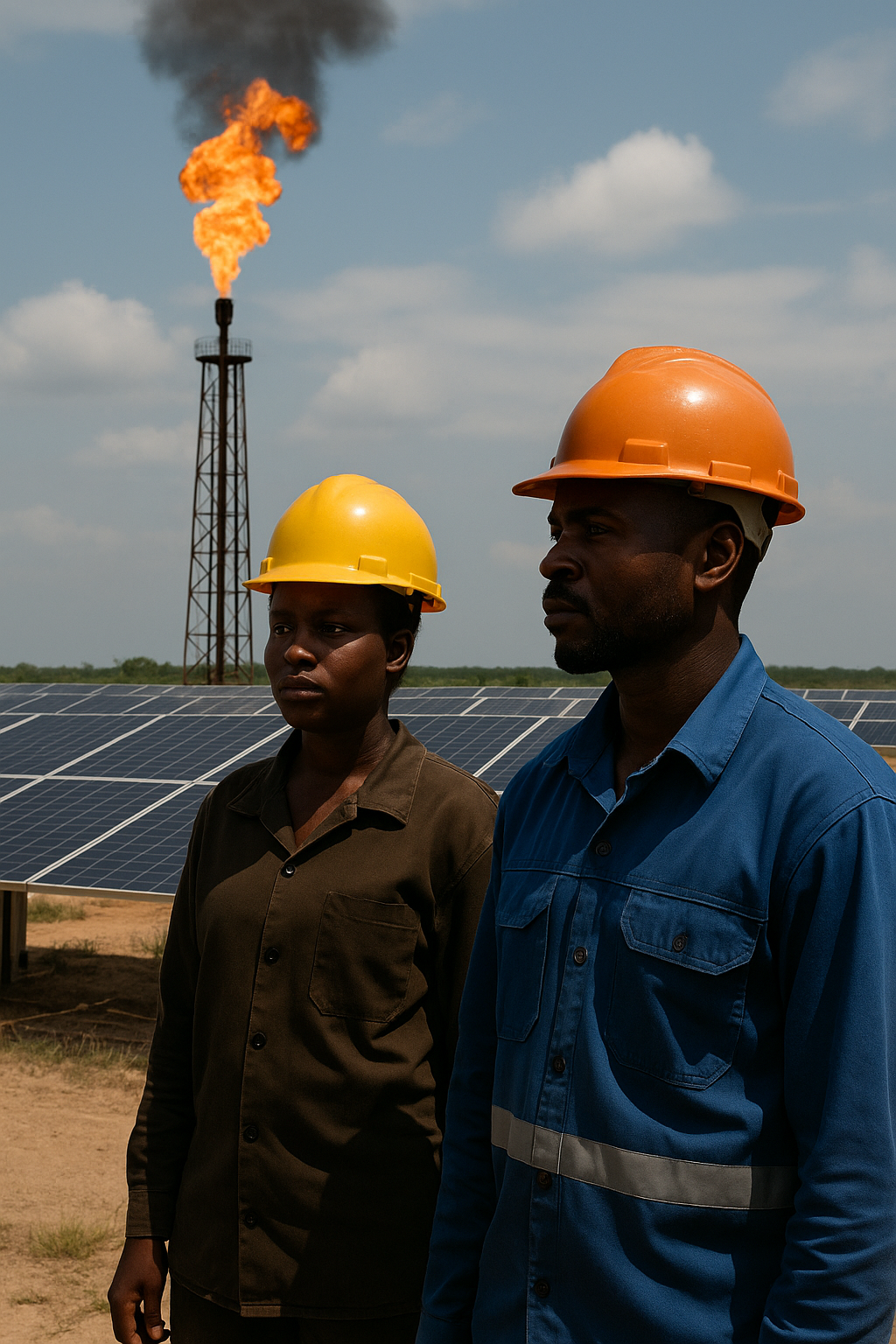
For more than a decade, the global energy transition has been sold as a story of technology. We are told solar panels are getting cheaper, wind turbines are getting taller, and batteries are...

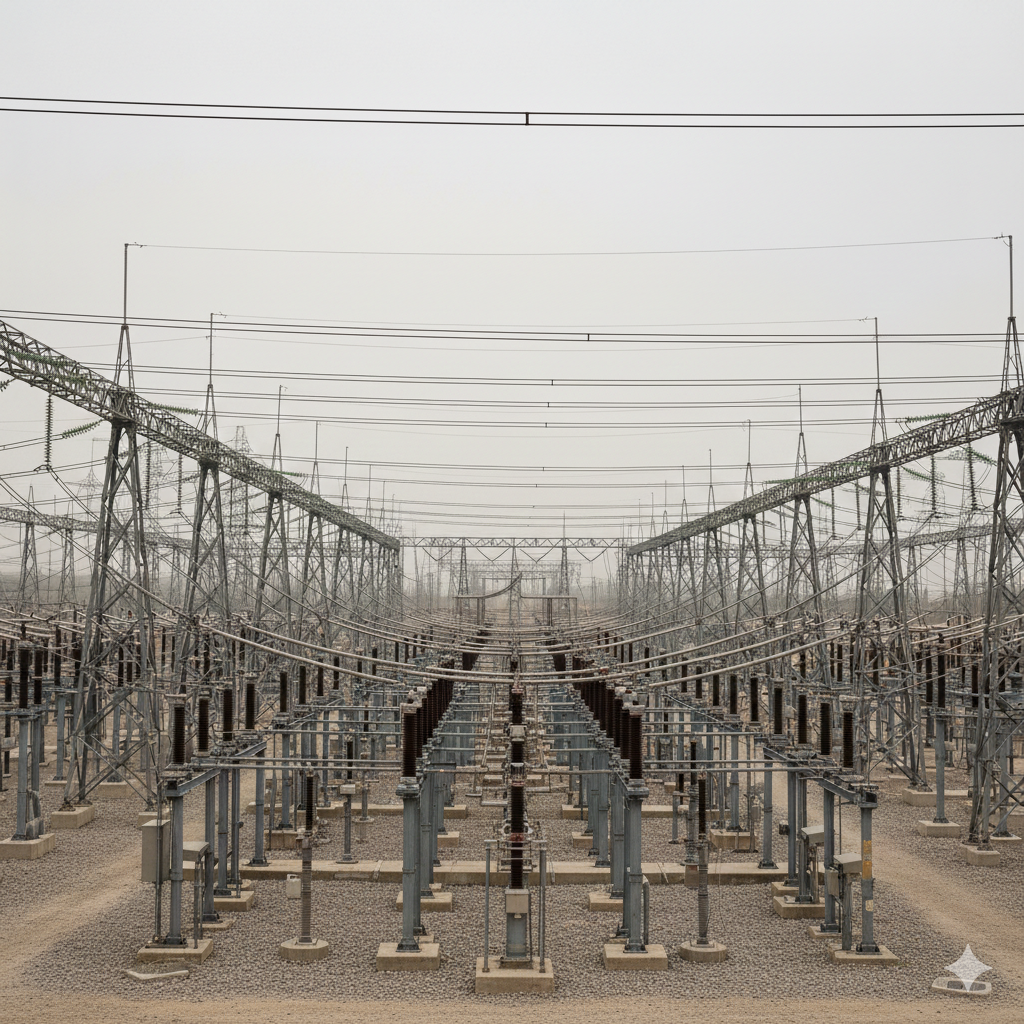
For much of Africa, the diesel generator has become an unspoken pillar of the economy. It powers factories when the grid fails, keeps hospitals running during blackouts, and underwrites commercial...
Between the rhetoric of fossil phase-out and the daily realities of power shortages, Africa faces a dilemma: can gas serve as a bridge without becoming a trap?
The Atlantic Council’s recent report, “Natural Gas Has a Small but Important Role in Africa’s Energy Transition”, argues that in specific contexts, gas can play a limited but helpful role in electrification and industrial resilience. The premise is straightforward: gas can be a complement, not a competitor, to renewables, if governed wisely.
Yet, in practice, “measured gas” could also open the door to a new era of dependency, fiscal risk, and stranded assets. This piece explores the nuances behind the report’s argument and whether Africa’s gas optimism can coexist with a truly just transition.
The Atlantic Council begins from an undeniable reality: more than 40 per cent of Africans lack access to reliable electricity, and the continent’s energy demand is expected to double by 2040. That demand will not wait for perfect conditions.
The report argues that gas, particularly associated gas (gas produced alongside oil), can help stabilise fragile grids and fill short-term capacity gaps while renewables scale. Small-scale gas turbines, for example, can backstop solar and wind during cloudy or windless periods. Gas can also power essential industries such as cement, steel, and fertiliser, where electrification remains technically and financially complex.
However, even within this argument lies a careful qualifier: gas should not be an open invitation to expand fossil development. The report’s authors emphasise that its role should be measured, time-bound, transitional, and limited to cases where renewables cannot yet meet demand.
This framing positions gas as a pragmatic bridge fuel, one that could provide reliability without permanently diverting Africa from its clean-energy trajectory. But the bridge metaphor only holds if both ends, fossil exit and renewable entry, are structurally sound.
This report lands at a politically charged time for African energy policy.
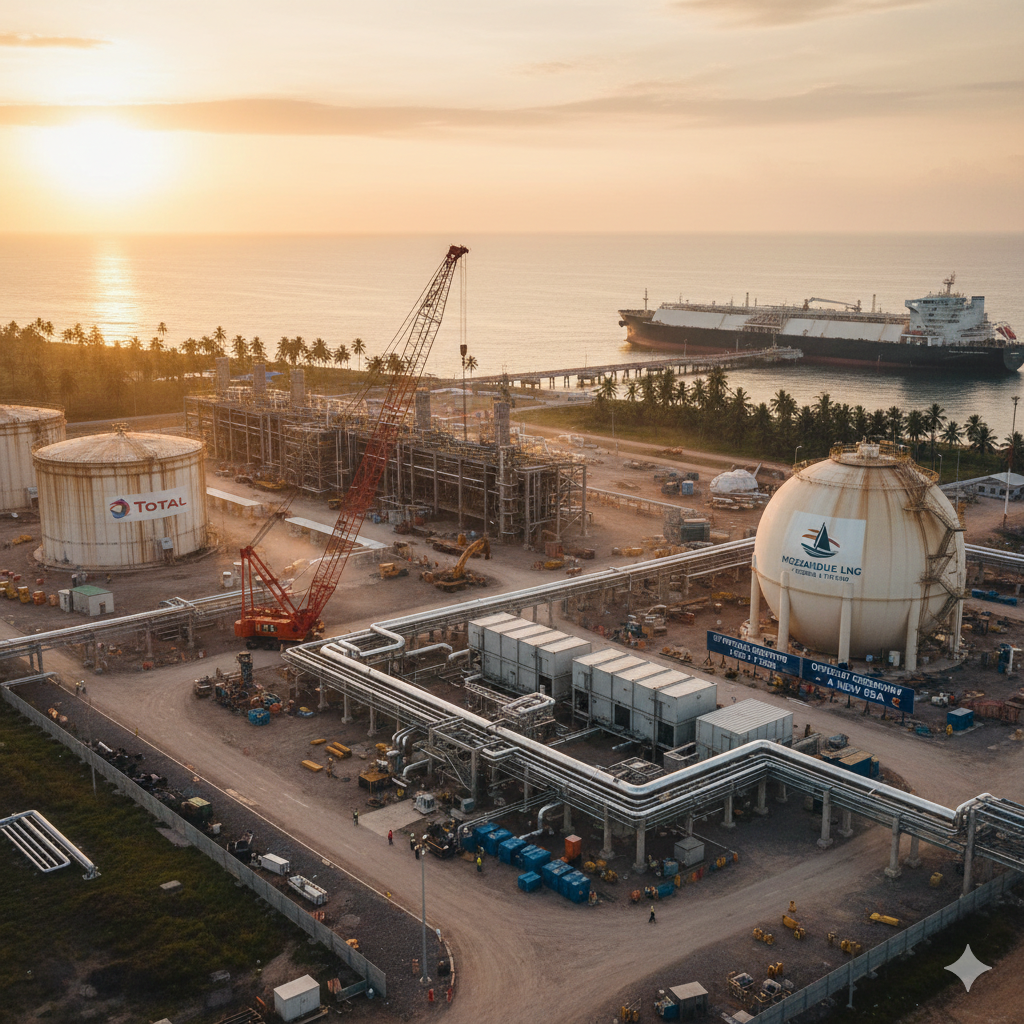
Across the continent, gas projects once deemed transitional are seeing renewed life. In Mozambique, liquefied natural gas (LNG) development is rebounding after years of insurgency disruptions, with Eni and TotalEnergies announcing renewed investments in 2025. In Nigeria, the government’s revised Nationally Determined Contribution (NDC) doubles down on gas expansion, aiming for 17 GW of capacity by 2035. Even Tanzania, Senegal, and Namibia are exploring new gas fields, citing energy security and export potential.
But this surge in gas diplomacy stands in contrast to global trends. International financial institutions are tightening fossil funding, and major economies, from the EU to the United States, are under pressure to align with net-zero timelines. The contradiction is stark: Africa is building gas infrastructure just as the rest of the world prepares to abandon it.
For advocates of a just transition, the “measured gas” narrative therefore becomes a double-edged sword. On one side, it promises realistic development pathways. On the other hand, it risks legitimising a fossil extension wrapped in green rhetoric.
History offers sobering lessons. Countries that bet on oil and gas infrastructure have often found themselves exposed to price volatility and stranded investments. As renewable costs fall and global demand for hydrocarbons declines, expensive gas terminals, pipelines, and plants could become white elephants — assets too costly to maintain and impossible to repurpose.
For Africa, the danger is magnified by debt. Many gas projects are funded in foreign currency, leaving nations vulnerable to exchange-rate fluctuations and repayment crises if export markets shrink.
A recurring pattern across African extractives is export bias. LNG terminals in Mozambique, Nigeria, and Equatorial Guinea are geared toward supplying Europe and Asia, not electrifying local homes.
Even when gas pipelines cross borders, they often bypass communities still reliant on firewood or kerosene. This export-first approach not only undermines local development goals but also widens the equity gap between producers and citizens.
To attract investors, African governments frequently offer tax holidays, royalty waivers, or stabilisation clauses that lock terms for decades. These deals may guarantee investor returns but erode long-term public revenues, the very funds that could power renewables or adaptation.
Without strong transparency and public oversight, the “small role” of gas can quietly morph into a big liability.
Gas extraction and transport are not benign. Methane leaks, flaring, and community displacement remain persistent risks. In the absence of strong regulatory capacity, “measured gas” can easily become unchecked gas.
This raises the central governance question: who measures the measurement? Unless civil society, communities, and independent institutions can enforce accountability, the word measured loses meaning.
Finally, there is a risk of narrative complacency. Policymakers may cite the Atlantic Council report as justification to delay renewable commitments or to court new fossil deals under a green veneer. If “measured gas” becomes a rhetorical fig leaf, it could slow the momentum of decarbonisation at precisely the moment Africa needs to leap forward.
If gas is to play any role, it must do so on Africa’s terms, not as a concession, but as a conditional tool.
That means setting hard policy and financial guardrails, such as:
Africa’s gas debate is not just about molecules and megawatts; it’s about choices, timing, and power. Every new pipeline or terminal tests whether the continent can reconcile immediate development needs with long-term sustainability.
“Measured gas” may sound like a balanced pathway, and in some cases, it might be. But balance without boundaries can quickly become drift. Unless nations define clear limits, financial, temporal, and moral, what begins as pragmatism can end as paralysis.
Africa’s energy transition must be led by vision, not by default. Gas can have a role, but only if that role serves the greater purpose of sovereignty, access, and resilience. Otherwise, it risks becoming the Trojan horse that delays the clean future Africa deserves.
Contributor at Energy Transition Africa, focusing on the future of energy across the continent.
For years, the global energy transition has been narrated as a linear story: renewables rise, fossil fuels fall, and gas fades as a temporary bridge. That story is now colliding with reality. In late...