In the Shadow of Conflict, Solar Power is Rebuilding Lives in Goma
For more than a decade, the global energy transition has been sold as a story of technology. We are told solar panels are getting cheaper, wind turbines are getting taller, and batteries are...
For most of modern economic history, electricity demand has followed growth. When economies expanded, electricity use rose steadily and predictably, rarely faster. That relationship is now breaking....
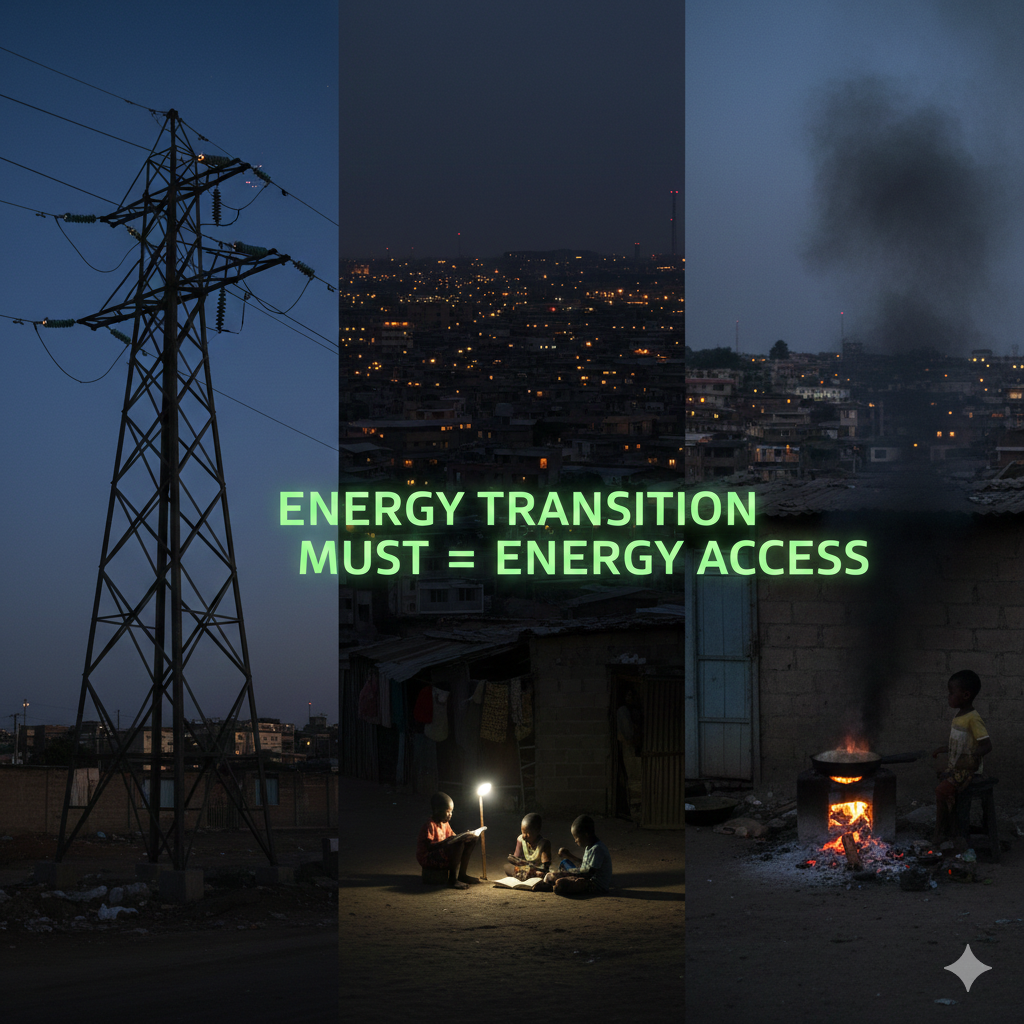
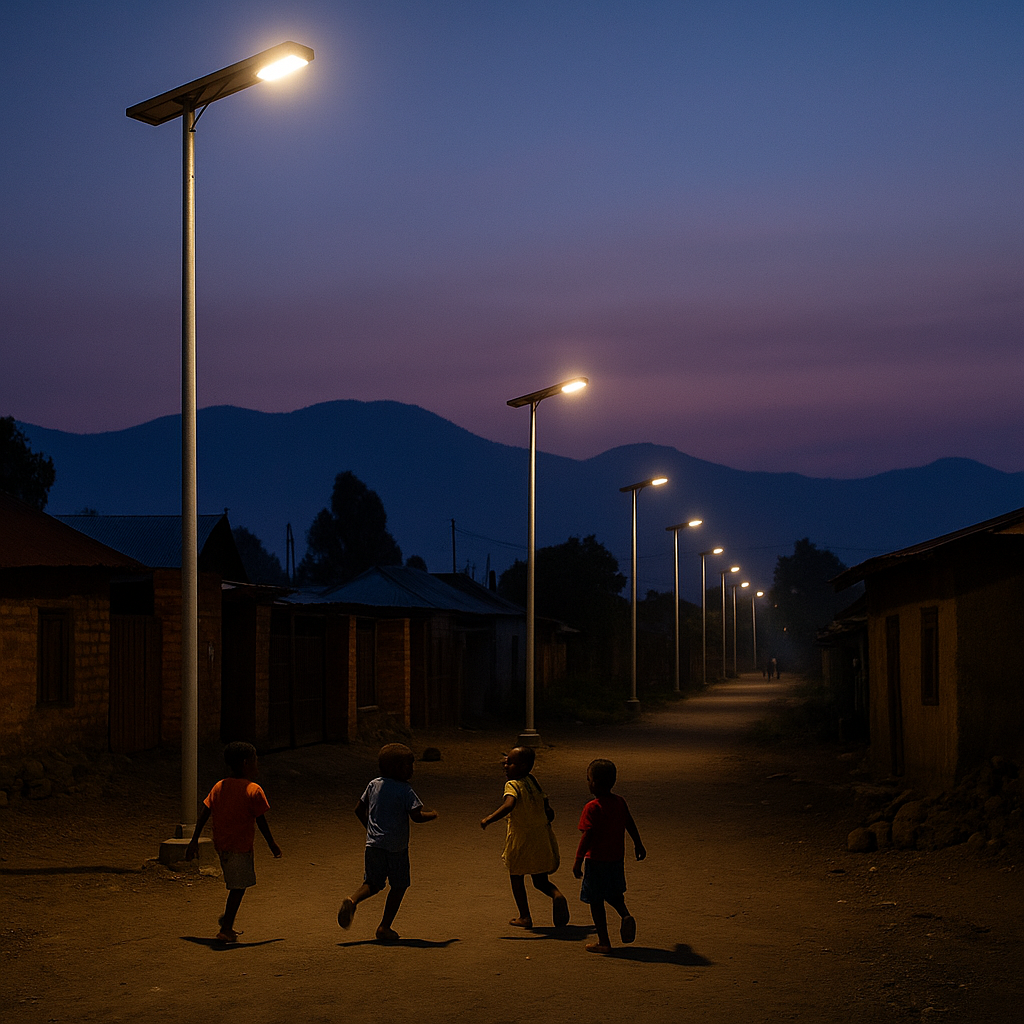
It is evening in Goma, and the sun has just slipped behind the jagged hills that surround this bustling city in the eastern Democratic Republic of Congo. As darkness falls, the cityscape begins to shimmer, not from generators sputtering to life, but from solar-powered streetlights that cast a soft, steady glow over dirt roads and neighbourhood paths. In this region, long plagued by armed conflict and neglected infrastructure, light is not just illumination; it is a lifeline.
Since late 2023, residents in certain areas of Goma have witnessed a quiet yet profound transformation. Thanks to a solar mini grid developed by Congolese energy company Nuru, homes and small businesses are now powered by one of the largest off-grid solar systems in sub-Saharan Africa. The 1.3 MW hybrid grid provides clean, affordable electricity to more than 3,500 customers, operating independently of the country’s fragile national grid.
But this is more than a tale of technology. It is a story of dignity, survival, and the possibility of peace in one of Africa’s most troubled regions.
Before the arrival of the mini grid, most Goma residents relied on petrol or diesel generators. These machines were noisy, polluting, and expensive to run. Local welder Aimé Bisamaza knows this struggle all too well.
"I used to spend around 14,000 Congolese francs a day on fuel. Some days, I couldn’t work at all if fuel was scarce," he says. Now connected to Nuru’s solar-powered grid, Aimé pays less than a third of that amount for electricity. "I can work into the night. I take more jobs. I’m saving again."
Across the city, stories like Aimé's are multiplying. Tailors, food vendors, phone charging kiosks, and even barber shops are staying open later and generating more revenue. The economic impact is tangible. This is the human face of the energy transition, where communities trapped by diesel dependency are finding power, purpose, and possibility through solar access.
Goma has long been haunted by violence. The ongoing presence of armed groups, including the M23 rebels, has made nighttime movement risky, particularly for women and children. But solar-powered streetlights have begun to shift that reality.
Mama Chantal, a 42-year-old mother of four and a food vendor in Katindo, says the change is remarkable. "We used to rush home before dark. Now we feel safer. The children play outside a little longer. People walk to evening prayers without fear."
For her, energy access is not just about productivity; it is about peace of mind.
In early 2024, just weeks after the mini grid became operational, M23 fighters captured parts of Goma. The city braced itself. Public services wavered. But the grid held.
"Even as we heard gunfire, our lights stayed on," says Jean-Pierre, a local schoolteacher. "We could charge our phones, follow the news, and talk to relatives. That made a difference. It kept us connected. It kept us hopeful."
In a conflict zone, energy is not just a service. It is a stabiliser.
The Goma mini grid combines solar PV panels, battery storage, and backup diesel for cloudy days. It operates independently from the national grid, providing uninterrupted power to customers through smart meters and mobile-based payment systems. The technology is not new, but its resilience and scale in a conflict-prone environment are groundbreaking.
Nuru, the company behind the project, worked closely with local leaders and international partners to deliver the infrastructure. But more importantly, they employed locals, trained technicians, and made the community part of the solution.
"We didn’t just bring in tech," said Jonathan Shaw, co-founder of Nuru. "We built trust. That’s what kept this project alive even in crisis."
Goma’s mini grid is a compelling case for energy as a tool of peacebuilding. By providing reliable electricity, the grid reduces reliance on diesel smuggling, often controlled by armed groups. It improves public services, supports small enterprises, and fosters a sense of stability.
In regions where government presence is weak or contested, community-based infrastructure becomes a pillar of social cohesion. The Goma experience shows that decentralised renewables can help reweave the social fabric where it has frayed.
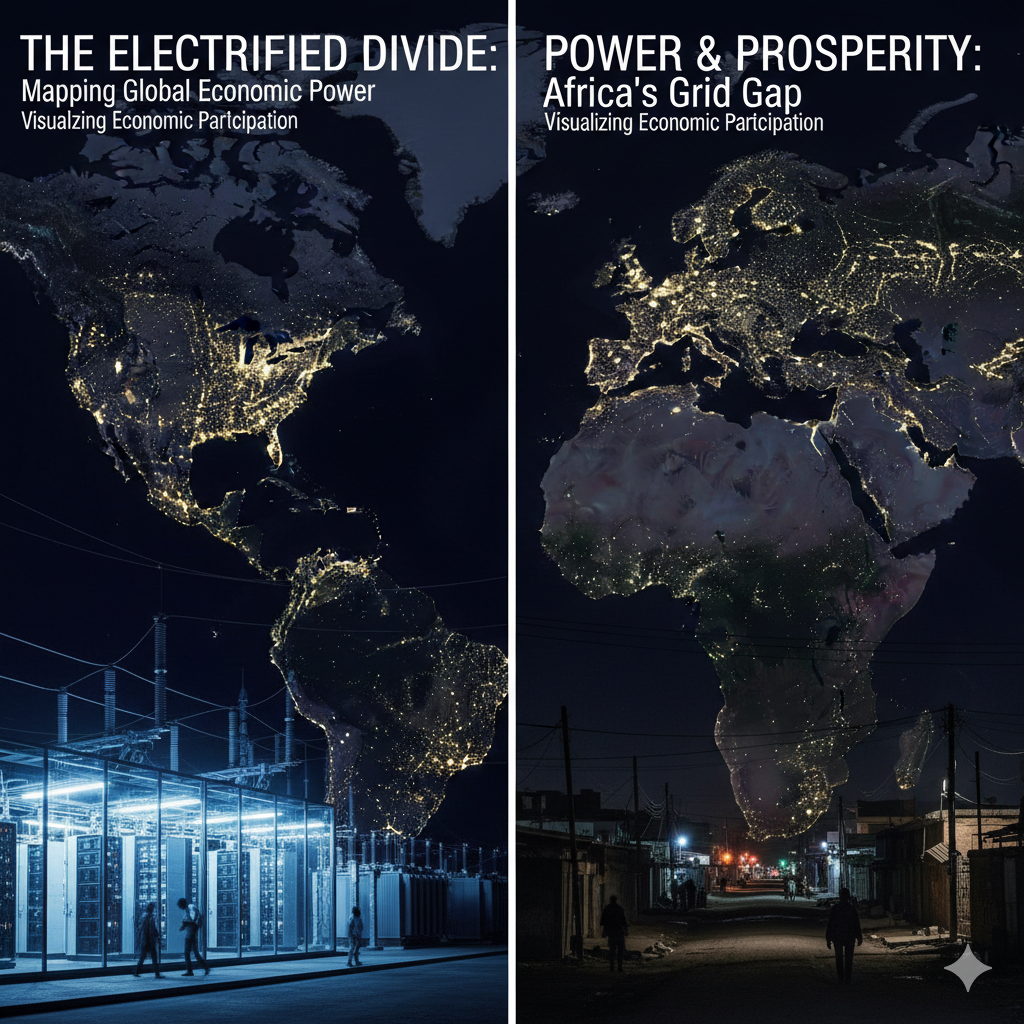
Sub-Saharan Africa is home to over 600 million people without reliable electricity. While national electrification plans are slow to materialise, decentralised energy systems offer an immediate and scalable alternative. But as Goma illustrates, the benefits go beyond kilowatts.
A just energy transition in Africa must place people, especially those in fragile contexts, at the centre. Projects must be designed not only to lower emissions, but to restore dignity, create jobs, and reinforce peace.
The Goma model offers valuable lessons for policymakers and investors:
Funding should go not only to large national grids but to local, modular solutions that can be rapidly deployed in underserved areas.
The question is not whether solar mini-grids can work in Africa. Goma has answered that. The question now is whether governments, donors, and private sector actors will scale this model.
If peace can be strengthened by light, then energy investments must be seen as part of humanitarian and development programming.
What happened in Goma should not be exceptional. It should be a precedent. As Africa faces the dual challenges of energy poverty and climate change, decentralised renewables offer a path that is both pragmatic and empowering.
In the shadow of conflict, light has returned to Goma. And with it, a glimpse of what a just, people-centred energy future might look like.
Contributor at Energy Transition Africa, focusing on the future of energy across the continent.
There is a phrase that has followed Africa through almost every global climate forum in recent years: “clean energy for people and planet.” And it sounds inclusive, moral and hard to argue against....