Gas, Phase-Out, and Africa: What the Debate Is Really About
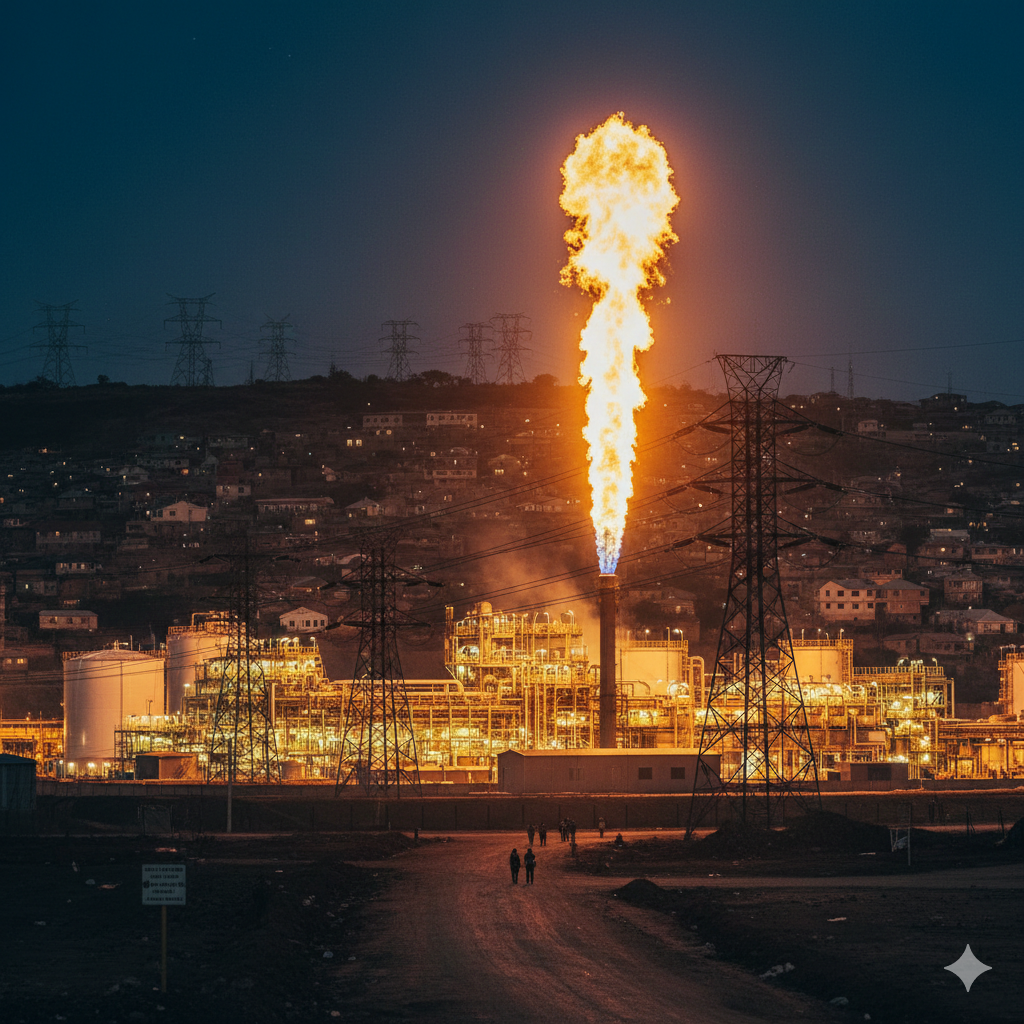
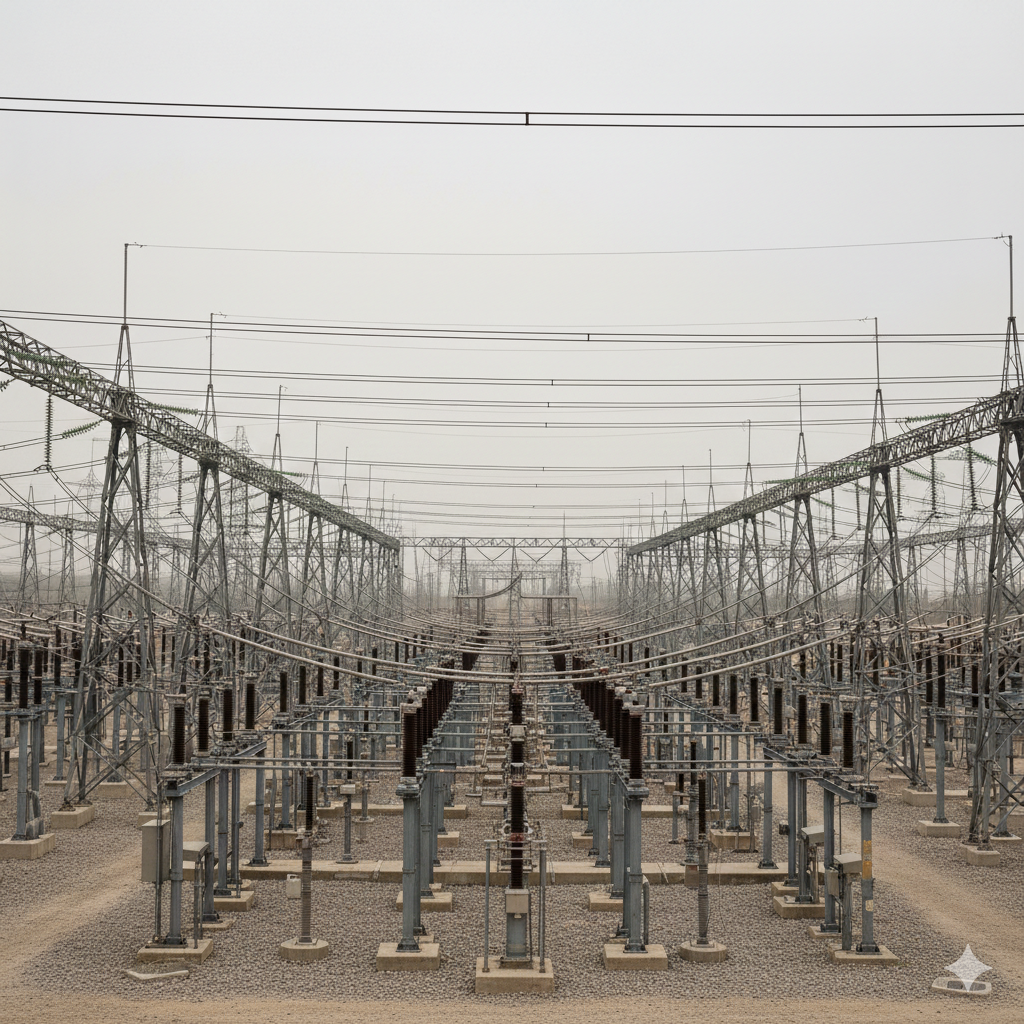
For more than a decade, the global energy transition has been sold as a story of technology. We are told solar panels are getting cheaper, wind turbines are getting taller, and batteries are...
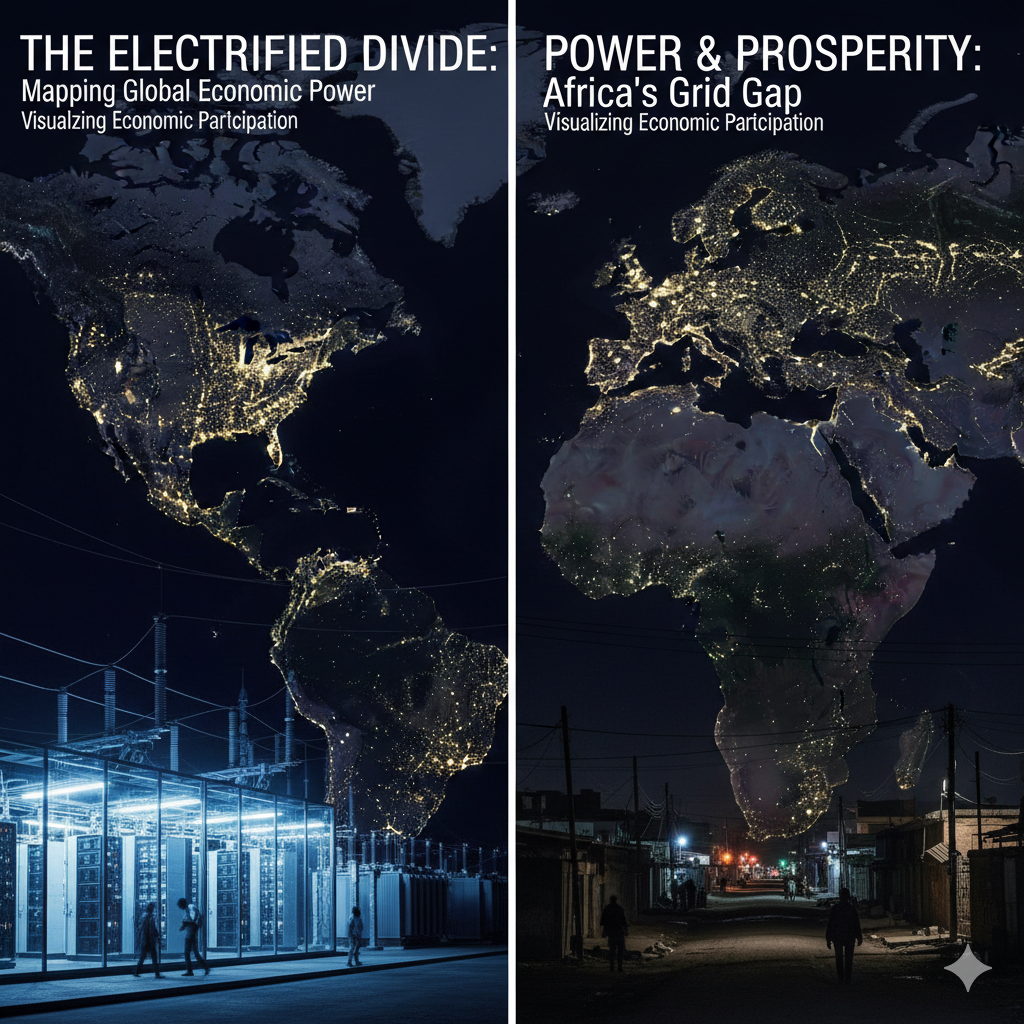
For most of modern economic history, electricity demand has followed growth. When economies expanded, electricity use rose steadily and predictably, rarely faster. That relationship is now breaking....
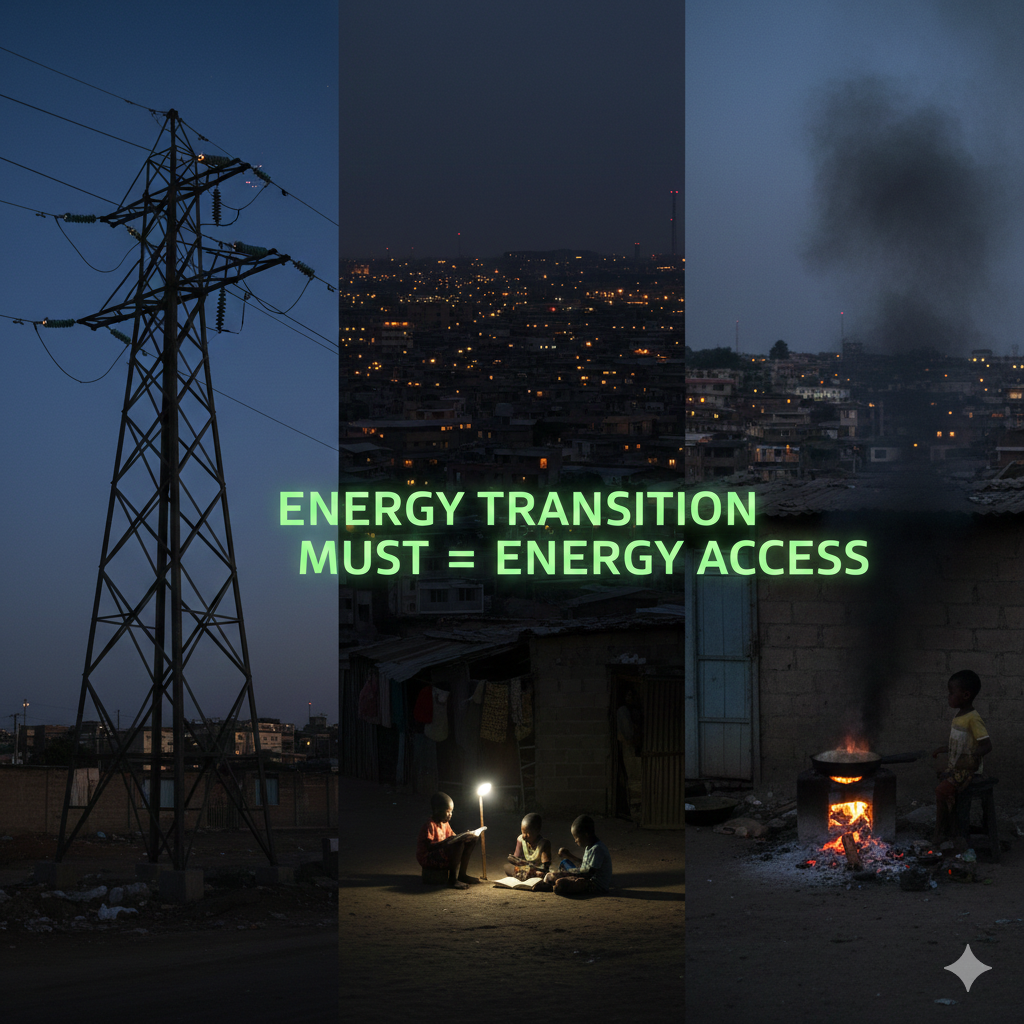
I have lost count of how many times I have heard the same sentence, delivered with confidence and concern in equal measure: Africa needs gas as a transition fuel.
It is said in conference halls, policy briefs, boardrooms, and protest rebuttals. It is invoked to defend new investments and to resist pressure. It is framed as realism against ideology.
And yet, for all its repetition, the gas debate in Africa is still widely misunderstood.
This article is an attempt to explain what the gas debate is really about, why it has become so emotionally charged, and why continued ambiguity may now be more dangerous for Africa than external pressure ever was.
Gas earned its place in the transition conversation because it seemed to solve several problems at once.
It is cleaner than coal and diesel, it can provide firm power when the sun sets or the wind stalls, it fits existing energy systems more easily than renewables alone, and for countries with domestic reserves, it appears to promise energy security and fiscal benefit.
Global institutions reinforced this view. The International Energy Agency has long acknowledged that gas can play a role in reducing emissions when it displaces dirtier fuels. And development banks financed gas-to-power projects as a way to stabilise grids. Policymakers adopted the language of “transition fuel” because it sounded balanced.
For a time, this framing made sense. But transitions are not static. Costs change, technologies mature, finance shifts, and what once looked pragmatic can quietly become a liability.
Africa’s defence of gas is often framed as a response to injustice.
The continent has contributed little to global emissions, yet faces demands to limit fossil fuel use. Energy poverty remains widespread. Industrialisation is unfinished. Why should Africa be asked to leapfrog without reliable alternatives?
These are legitimate grievances, but over time, the gas debate has stopped being only about justice. It has become entangled with fear of constraint, fear that rejecting gas means rejecting development itself.
That fear is understandable, but is also increasingly misplaced.
The real issue with gas is not its emissions profile in isolation; it is lock-in.
Gas infrastructure is expensive, centralised, and long-lived. Pipelines, LNG terminals, power plants, and supply contracts are designed to operate for decades. And once built, they shape policy, budgets, and political incentives long after conditions change.
Lock-in is not theoretical. It shows up when:
In this sense, gas isnt just a fuel. But a governance choice as well.
The danger of gas in Africa is not that it exists, but that it stays longer than it should.
The gas debate is also being overtaken by a more consequential shift: how energy is financed.
Climate finance is becoming more political, more selective, and more strategic. Multilateral concessional flows are tightening, and private capital is increasingly cautious about long-lived fossil assets in emerging markets.
Institutions like the World Bank and the International Monetary Fund now emphasise fiscal risk, stranded assets, and long-term debt sustainability in energy planning.
This matters because gas projects are capital-intensive and often rely on public guarantees. If demand projections fall or carbon constraints tighten, African governments, not investors, are frequently left holding the risk.
Gas, once sold as the “bankable” option, is becoming financially ambiguous.
Every energy choice is also an opportunity cost.
When governments commit political attention, fiscal space, and institutional capacity to gas, they often delay or dilute investment in:
This is gas projects are simpler to explain politically: one plant, one contract, one ribbon. But Africa’s energy challenge is no longer about adding capacity alone. It is also about delivery, reliability, and affordability.
And gas doesn't automatically solve these problems. In some cases, it postpones them.
Gas can keep the lights on but it can also keep reform off the table.
Public discussion often frames the issue as a choice between:
This is a false binary. The real choice is between clarity and drift.
Africa doesn't need to pretend gas has no role. But it does need to be honest about where, how, and for how long gas fits into its energy future. Without that clarity, gas becomes a default rather than a decision.
There is a belief that ambiguity buys time, that keeping options open protects sovereignty. In today’s energy landscape, the opposite is true.
Ambiguity:
Countries with clear transition pathways, whether they include limited gas or not, are better positioned to attract capital, manage risk, and adapt as technologies evolve.
Those without clarity drift into decisions that feel incremental but become structural.
Uncertainty about gas does not protect Africa. It exposes it.
A credible, Africa-first approach to gas would be neither absolutist nor evasive. It would rest on five principles:
One reason the gas debate has become polarised is that activists and policymakers often talk past each other.
Activists worry rightly about lock-in and justice. Policymakers, on the other hand, worry rightly about stability and growth. Both are responding to real risks.
But Africa loses when the conversation collapses into slogans. The task isn't to choose a side, but to choose a pathway.
Strip away the rhetoric, and the gas debate comes down to one question:
Does Africa want to design its transition or inherit it by default?
Gas can be part of a designed transition. But it becomes a problem when it replaces planning with postponement.
Africa’s energy future will be judged not by how loudly it defends gas, but by whether it builds systems that are affordable, reliable, and resilient in a changing world.
The gas debate is not about saying yes or no.
It is about saying when, where, and for how long, and being brave enough to answer honestly.
Because in the end, the greatest risk to Africa isn't pressure to phase out fossil fuels; instead,
it is drifting into decisions that outlast their usefulness.
Contributor at Energy Transition Africa, focusing on the future of energy across the continent.
There is a phrase that has followed Africa through almost every global climate forum in recent years: “clean energy for people and planet.” And it sounds inclusive, moral and hard to argue against....