Striking the Balance: Energy Security Meets Just Transition in Africa
For more than a decade, the global energy transition has been sold as a story of technology. We are told solar panels are getting cheaper, wind turbines are getting taller, and batteries are...
For most of modern economic history, electricity demand has followed growth. When economies expanded, electricity use rose steadily and predictably, rarely faster. That relationship is now breaking....
It’s a dilemma as old as independence: how can Africa power its future without repeating the past?
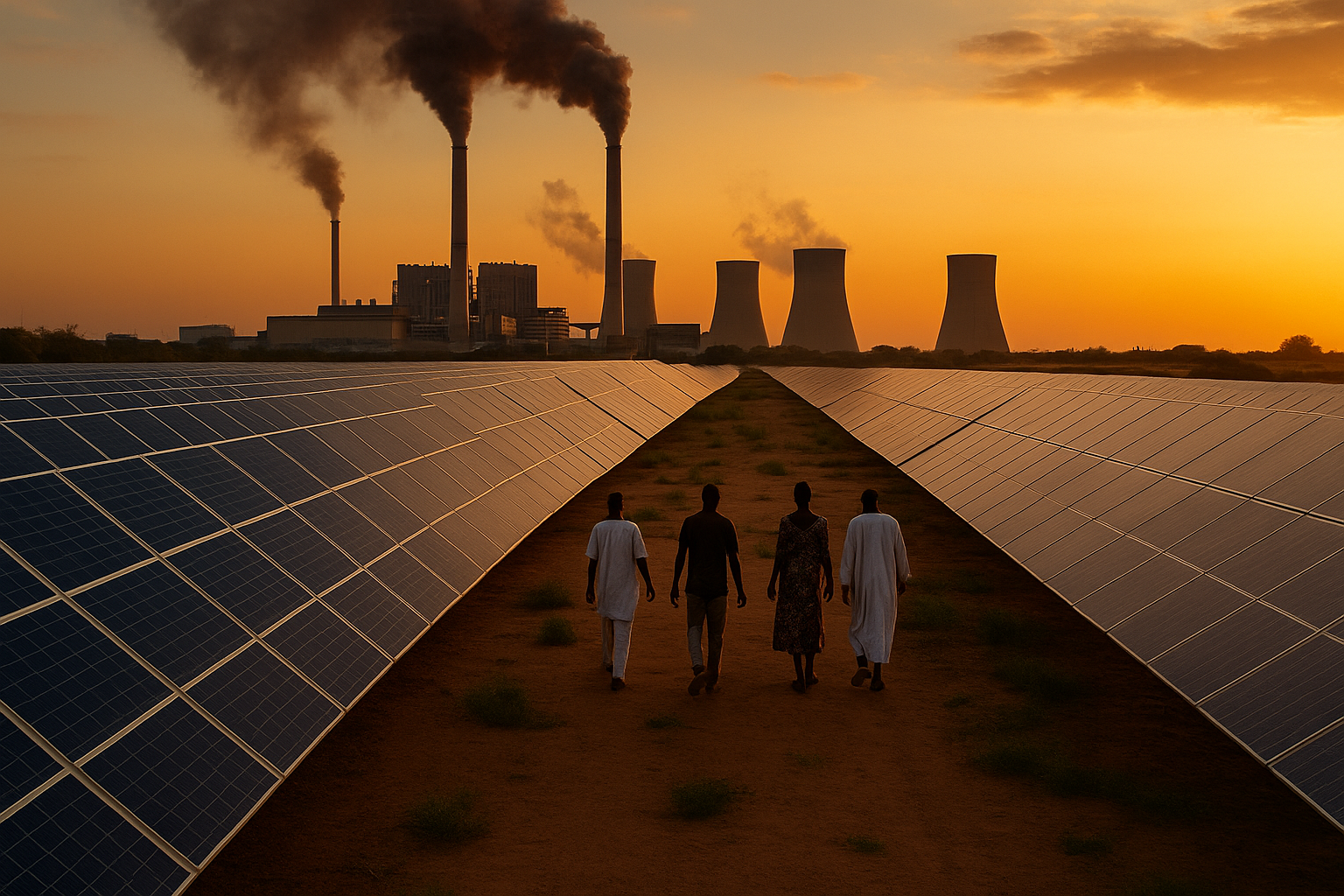
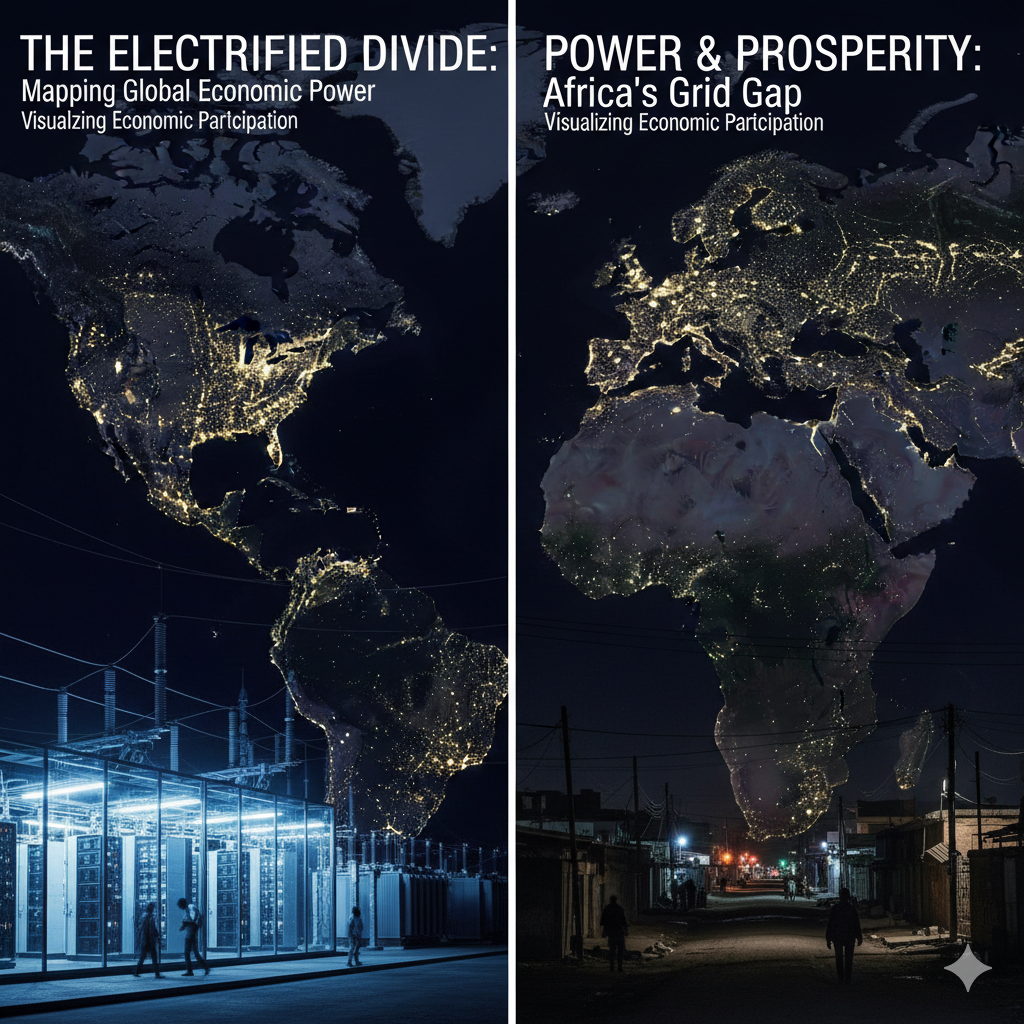
In 2025, the question is sharper than ever. The continent is home to 600 million people without access to electricity. Many governments, faced with rising inflation, debt distress, and political pressure, are doubling down on fossil fuel investments to meet growing energy demand. At the same time, the global climate clock is ticking, and African nations are being urged to lead on renewable energy, adapt to climate shocks, and phase out oil and gas.
So, how do we ensure Africa's energy transition is not only green but just? That it doesn't just cut emissions, but lights homes, powers schools, and unlocks economic opportunities?
From Nigeria to Senegal, Mozambique to Tanzania, energy security has become a political imperative. Gas is touted as a "transition fuel" that can lift millions out of energy poverty. In Nigeria, the government’s Decade of Gas initiative aims to drive industrialisation and household cooking reforms. Similar rhetoric is echoed across the continent, with a wave of liquefied natural gas (LNG) deals being signed in response to Europe’s shifting energy demand.
These are not just economic decisions; they are deeply political. Leaders face elections, unemployment crises, and public impatience. Fossil fuel projects often promise quick revenue, foreign investment, and infrastructure upgrades.
But these promises come with risks.
Africa is warming faster than the global average. Cyclones batter Mozambique; floods displace millions in Sudan and Nigeria; drought threatens food security in the Sahel. The irony is painful: the continent contributes less than 4% to global emissions, yet bears the brunt of climate change.
Pressure is mounting from climate advocates and international partners for Africa to "leapfrog" to renewables. And indeed, some are. Kenya, for instance, now sources over 80% of its power from renewables. South Africa, under its Just Energy Transition Partnership (JETP), is making hard decisions to retire coal while supporting affected communities.
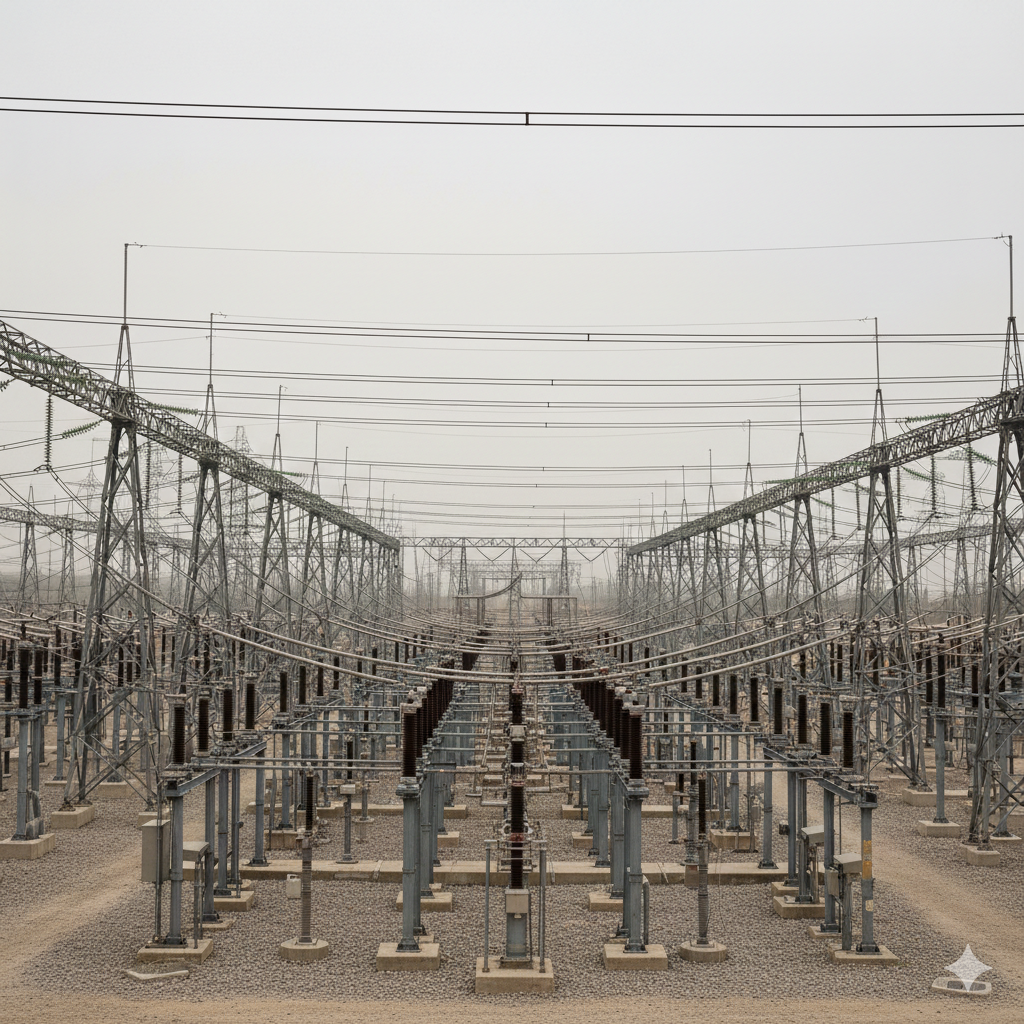
Yet the scale of the challenge is massive. Renewable energy financing remains sluggish. Grid infrastructure is outdated. And many communities have yet to experience the benefits of green energy firsthand.
A just transition in Africa must look different from Europe or North America. It cannot be about simply swapping coal for solar. It must address historical injustice, current inequality, and future aspirations.
What does this mean in practice?
Above all, it means that the energy transition must be rooted in dignity and development.
Finance is the deal-breaker. Africa needs an estimated $190 billion per year to meet its climate and energy targets by 2030. Yet climate finance remains skewed towards mitigation, not adaptation, and even more so toward bankable, large-scale projects.
Small off-grid solar systems, clean cooking solutions, and community-led energy projects struggle to attract funding. Even when money is available, it's often in the form of loans, not grants, adding to Africa's debt burden.
Debt-for-climate swaps, such as those recently discussed by Italy, offer promise but remain limited in scope. The global community must go beyond rhetoric and deliver finance that is predictable, concessional, and fair.
Across Africa, civil society is not waiting.
From Nigeria’s Renewable Energy Association to women-led solar cooperatives in Mali, grassroots initiatives are demonstrating what a just transition can look like. Youth movements are demanding not just clean energy, but a rethinking of who controls it and who benefits.
As governments negotiate complex deals with oil majors or international donors, civil society must have a seat at the table. Transparency, accountability, and public participation are not optional; they are the foundation of a people-first transition.
Africa stands at a crossroads. The temptation to exploit fossil fuels for short-term gain is strong. But so is the opportunity to build a resilient, inclusive, and sustainable energy future.
This will not be easy. It requires courage from political leaders, creativity from financiers, solidarity from global partners, and mobilisation from citizens.
But it is possible.
If we strike the right balance, Africa can not only keep the lights on; it can light the way for the world.
More from our blog: Follow the Money: Is Africa Really Getting Its Fair Share of Climate Finance?
Contributor at Energy Transition Africa, focusing on the future of energy across the continent.
As Mining Indaba opens in a few days, one point of alignment is already clear: value addition has become the dominant political language around Africa’s future in critical minerals. From policy...