Critical Minerals in Africa: Energy Transition Supply Chains, Skills, and Strategic Policy
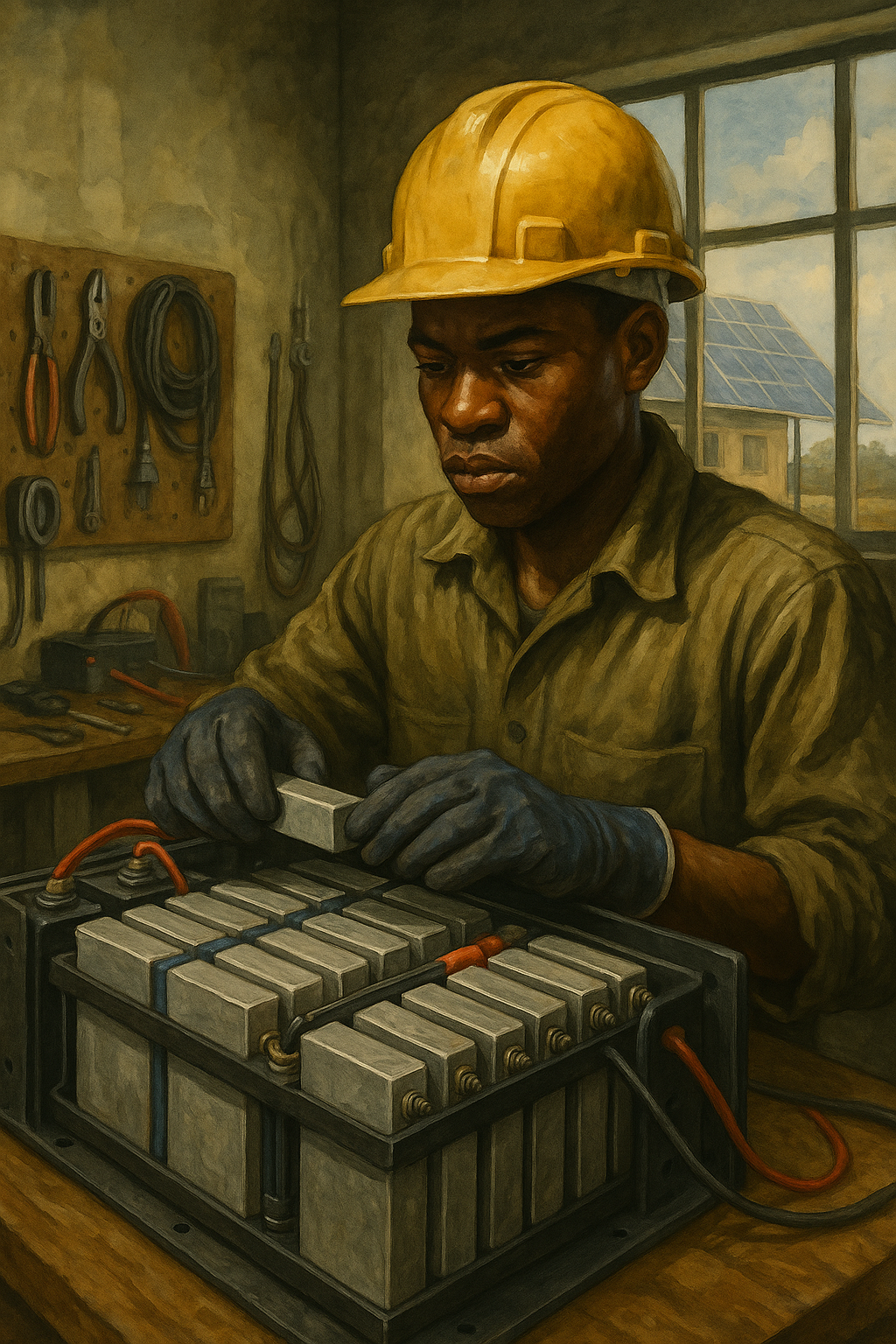
For more than a decade, the global energy transition has been sold as a story of technology. We are told solar panels are getting cheaper, wind turbines are getting taller, and batteries are...
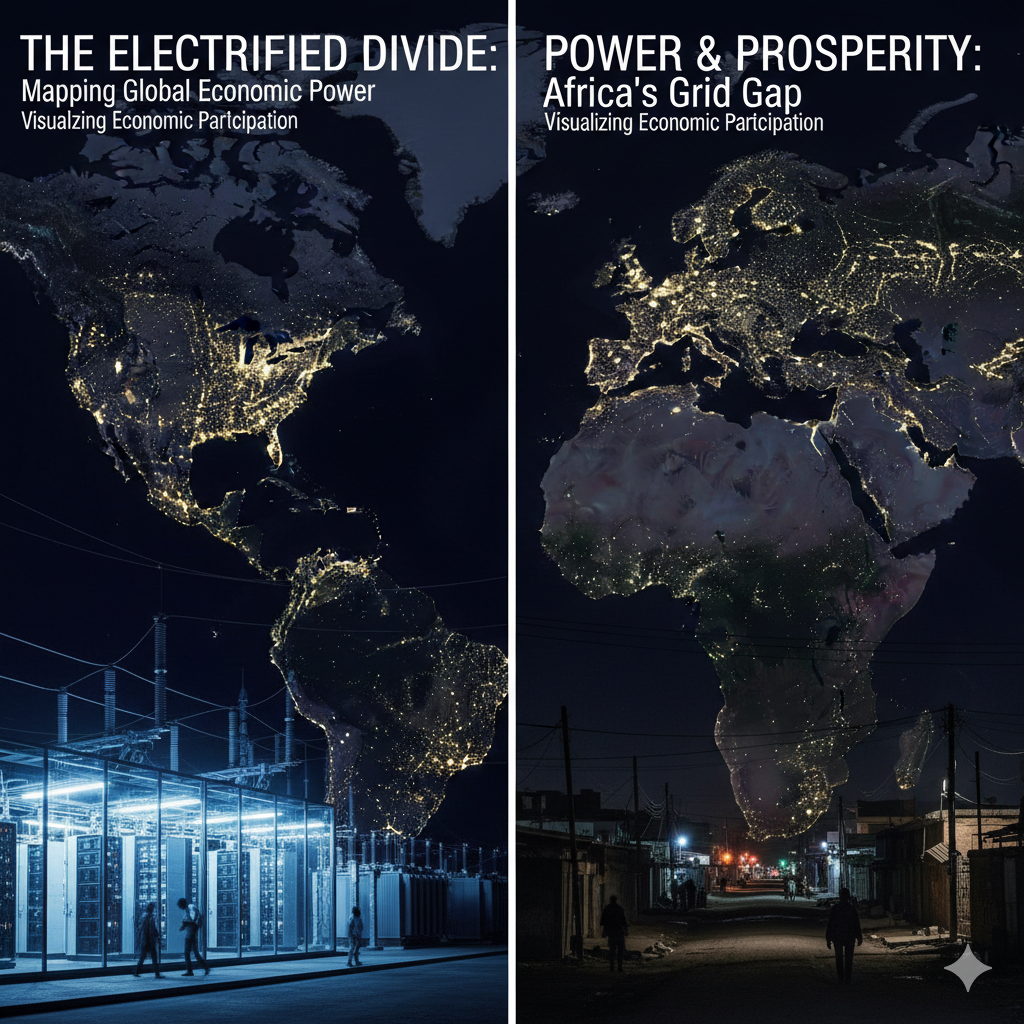
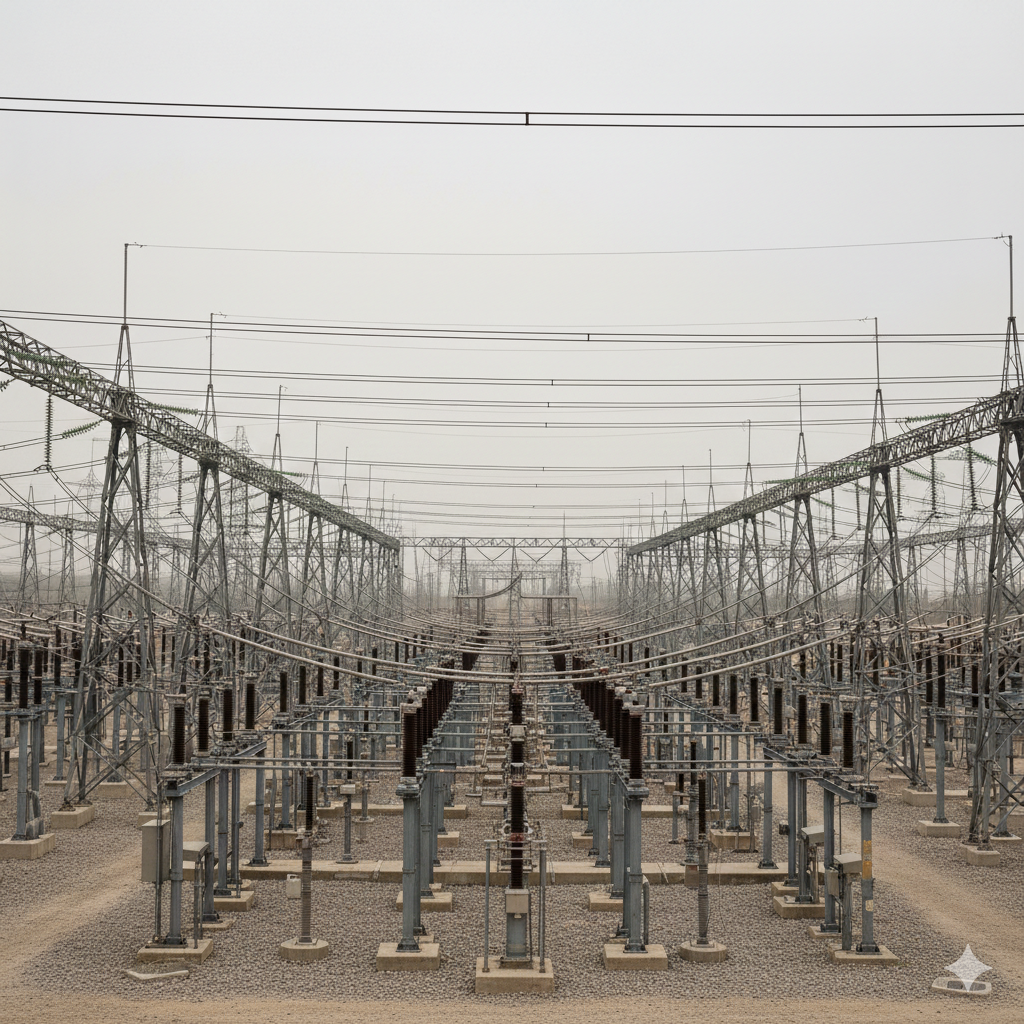
For most of modern economic history, electricity demand has followed growth. When economies expanded, electricity use rose steadily and predictably, rarely faster. That relationship is now breaking....
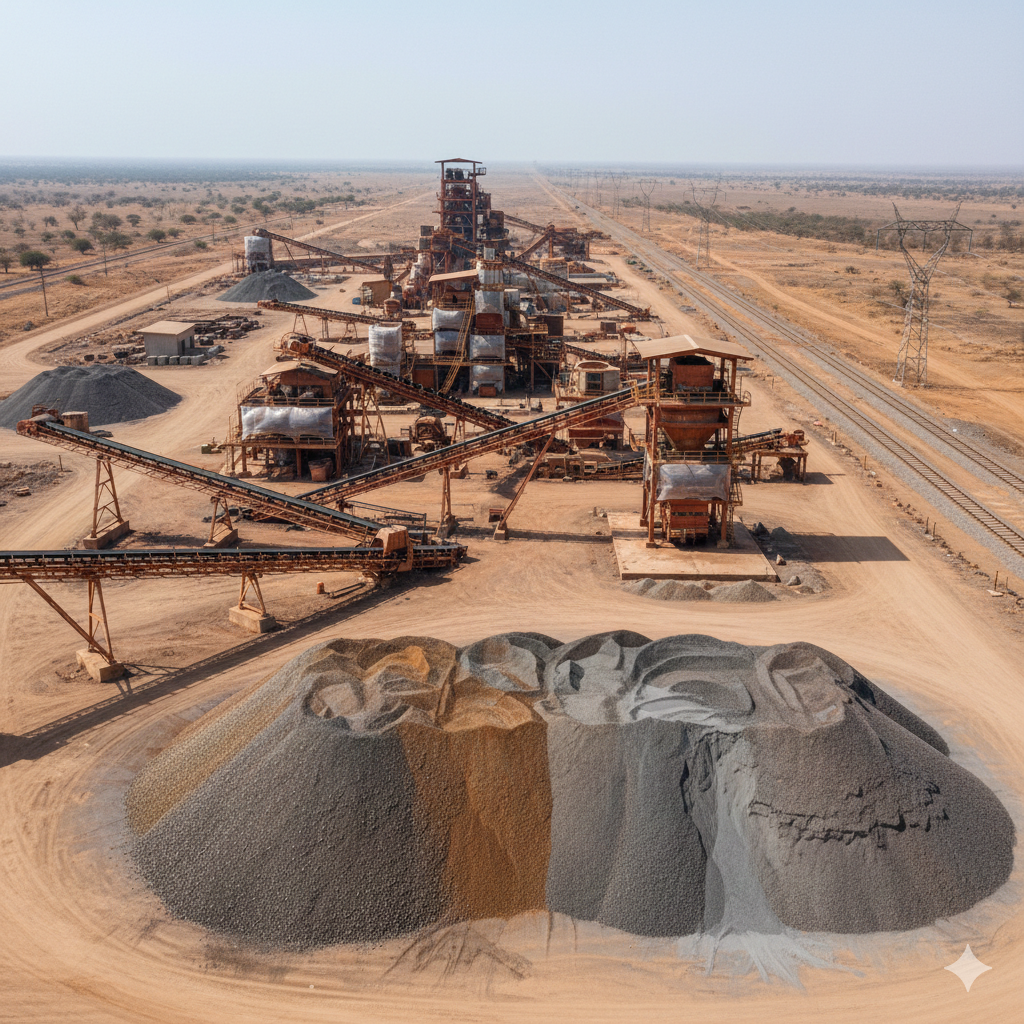
As a continent, we sit on the world’s largest reserves of cobalt, manganese, platinum, lithium and graphite. the very minerals that make electric vehicles, wind turbines, solar batteries and green hydrogen possible. Yet when the world talks about energy transition, it talks about minerals from Africa, not manufacturing in Africa, not engineers from Africa, not innovation led by Africa.
What are “critical minerals” in the context of Africa’s energy transition?
Critical minerals are elements needed for technologies such as batteries, solar panels, wind turbines, and EVs. Africa has large reserves of minerals like lithium, cobalt, and rare earths, but gaps in processing and skilled labour limit the continent’s competitive position.
The International Energy Agency (IEA) estimates global demand for critical minerals will rise between 300% and 700% by 2040, depending on the speed of global net-zero ambitions. Africa holds over 30% of known reserves, yet contributes less than 1% of global battery manufacturing, and under 2% of renewable energy jobs worldwide.
Our universities teach mining geology but not battery chemistry. We graduate petroleum engineers for oil rigs that may not exist in 20 years, but not hydrogen technologists, grid-automation experts, or EV assembly technicians.
Across the continent:
We face a new kind of resource curse. Not minerals without money, but minerals without skills.
Walk through the cobalt mines of Kolwezi in the DRC, and you see teenage boys carrying ore in sacks. Walk through the battery plants in Shenzhen or Nevada, and you see high-skilled engineers assembling cathode materials, often using that same cobalt.
We export opportunity.
The same happens in solar. Africa has 60% of the world’s best solar potential. But we import over 80% of our solar panels, mostly from China. Inverters, battery packs, control software, even the simplest mounting structures, are manufactured elsewhere, installed here, and then maintained by external firms.
We dream of green jobs, but without skills, green jobs belong to someone else.
Most curricula still prepare students for oil and gas, not grid digitisation, solar manufacturing, green hydrogen, or electric transport. TVET colleges lack equipment. Universities lack partnerships with industry.
In mining towns, skill sets are focused on extraction, not beneficiation. We train drillers and machine operators, but not metallurgists, chemical process engineers, or battery assemblers.
Major renewable projects, from Morocco’s Noor Solar Park to Kenya’s Lake Turkana Wind Farm, rely on foreign engineers. Contracts complete. Expertise leaves. No legacy.
“If Africa becomes the world’s supplier of green minerals but not green jobs, then the energy transition is just the old economy, with solar panels on the surface.”
Across the continent, a few countries are breaking the pattern.
Beside the Noor Solar Plant, Morocco built the Institute for Research in Solar Energy and New Energies (IRESEN), training engineers in CSP technology. Some now work in Senegal, Rwanda and Mali.
Through the Just Energy Transition Investment Plan (JET-IP), coal workers are being retrained into solar installation, grid maintenance and battery storage. Over 300,000 workers will be transitioned by 2030.
Kenya’s government upgraded 238 Technical Institutes to produce solar technicians, micro-grid operators and wind energy specialists. More than 50,000 youth trained under the ILO’s “Skills for Green Jobs” programme.
Namibia is launching Africa’s first Green Hydrogen Training Institute in partnership with Germany, producing electrolysis specialists, green ammonia engineers and logistics experts.
These are small but powerful markers of what is possible when skills are treated as infrastructure, not an afterthought.
To avoid another century of exporting our future, we must act on five fronts:
Yes, but only if we accept that minerals alone are not wealth. People are.
If we fail, Africa will again light the world and remain in the dark.
But if we invest in our people, welders, coders, engineers, electricians, policy architects, then Africa will not just be part of the energy transition. We will help lead it.
That is what millions of young Africans deserve. That is what a just transition truly means.
Contributor at Energy Transition Africa, focusing on the future of energy across the continent.
As Mining Indaba opens in a few days, one point of alignment is already clear: value addition has become the dominant political language around Africa’s future in critical minerals. From policy...