Why Africa Still Has Millions Without Electricity Despite Its Solar Boom
For more than a decade, the global energy transition has been sold as a story of technology. We are told solar panels are getting cheaper, wind turbines are getting taller, and batteries are...
For most of modern economic history, electricity demand has followed growth. When economies expanded, electricity use rose steadily and predictably, rarely faster. That relationship is now breaking....
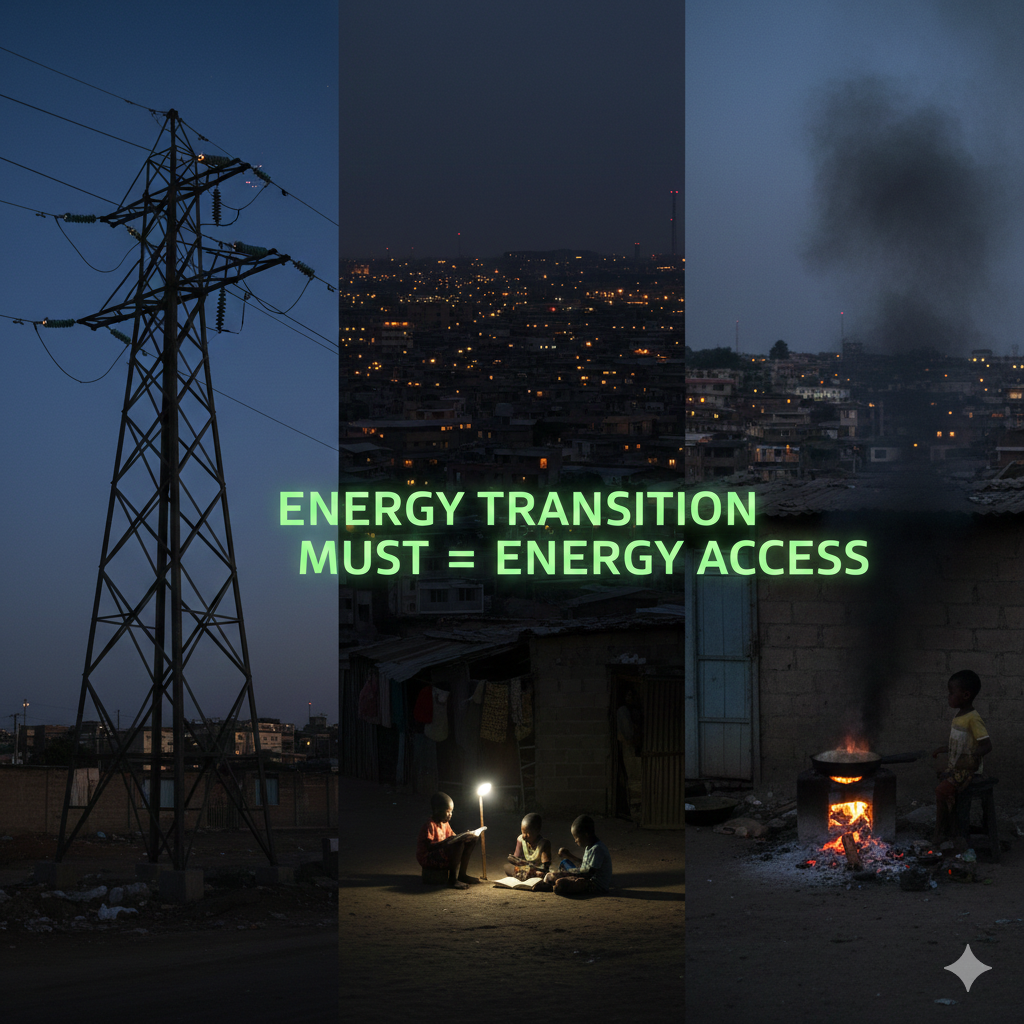
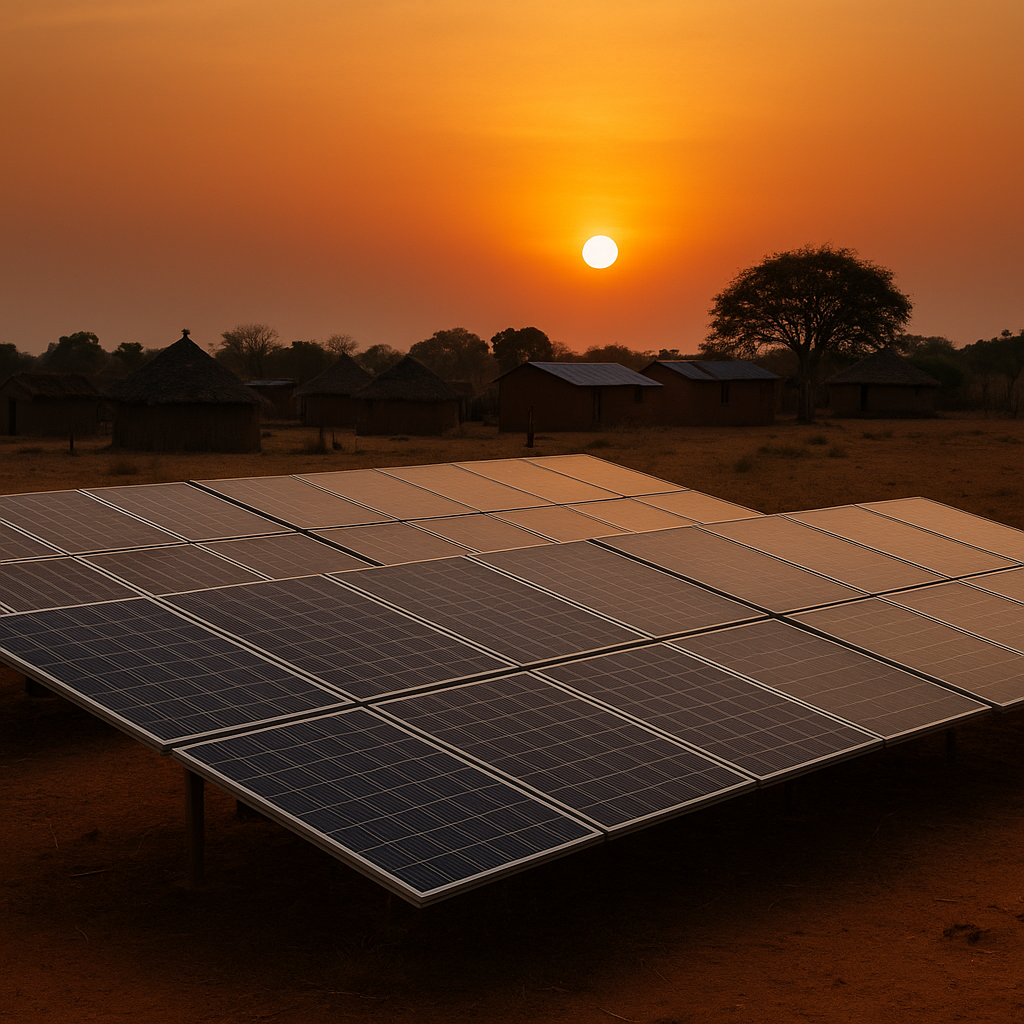
On the outskirts of a village in northern Kenya, the sun sets over a newly commissioned solar farm and a dozen new battery storage containers. Contractors toast the completion: “This is Africa’s solar age,” one engineer says.
But a few hundred metres away, the same village’s homes sit unaffiliated to the grid, lights off.
This glaring contradiction lies at the heart of a troubling energy story: Africa is installing solar capacity as never before, yet millions of its citizens remain in the dark.
What is Africa’s solar boom?
Africa’s solar boom refers to the rapid expansion in solar installations, from small household systems to utility-scale parks. Despite record growth, millions of people still lack reliable electricity due to financial, policy, and grid integration barriers
The latest data from the International Energy Agency (IEA) and IRENA confirm what many headlines celebrate: Africa’s solar capacity is growing faster than almost any region in the world. Countries such as Kenya, South Africa, Egypt, and Morocco are installing solar at record speed. Nigeria, Tanzania, and Ethiopia are witnessing a surge in commercial and industrial rooftop systems. Ghana and Rwanda are adding mini-grids at a pace that would have been unthinkable a decade ago.
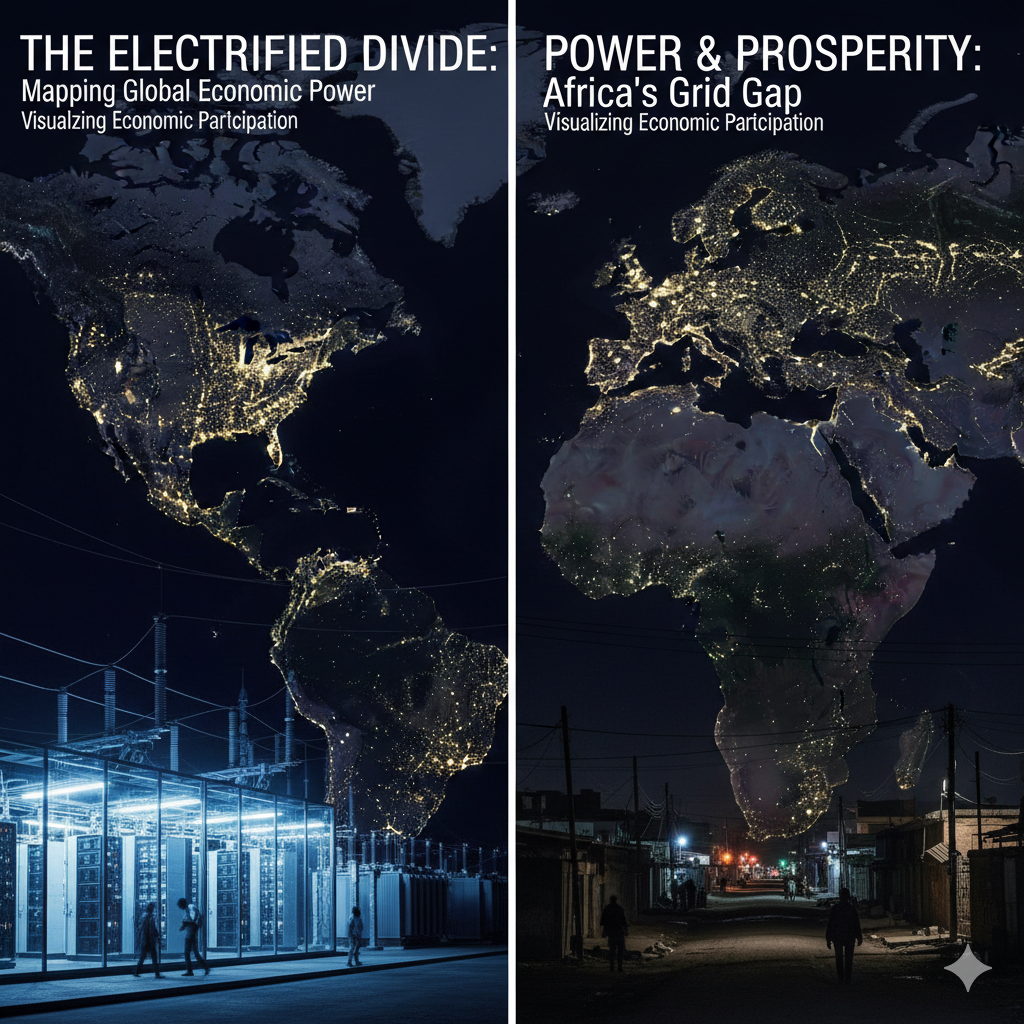
Yet, according to the IEA’s Financing Clean Energy in Africa assessment (2024), around 600 million Africans, nearly half the continent, still lack electricity entirely, and many more live with unreliable supply.
Even more concerning, the World Bank’s Tracking SDG 7 report shows that Africa is the only region where the absolute number of people without electricity is still rising, driven by population growth outpacing connections.
Put simply: Africa is generating more clean energy than ever, but it is not reaching the people who need it most.
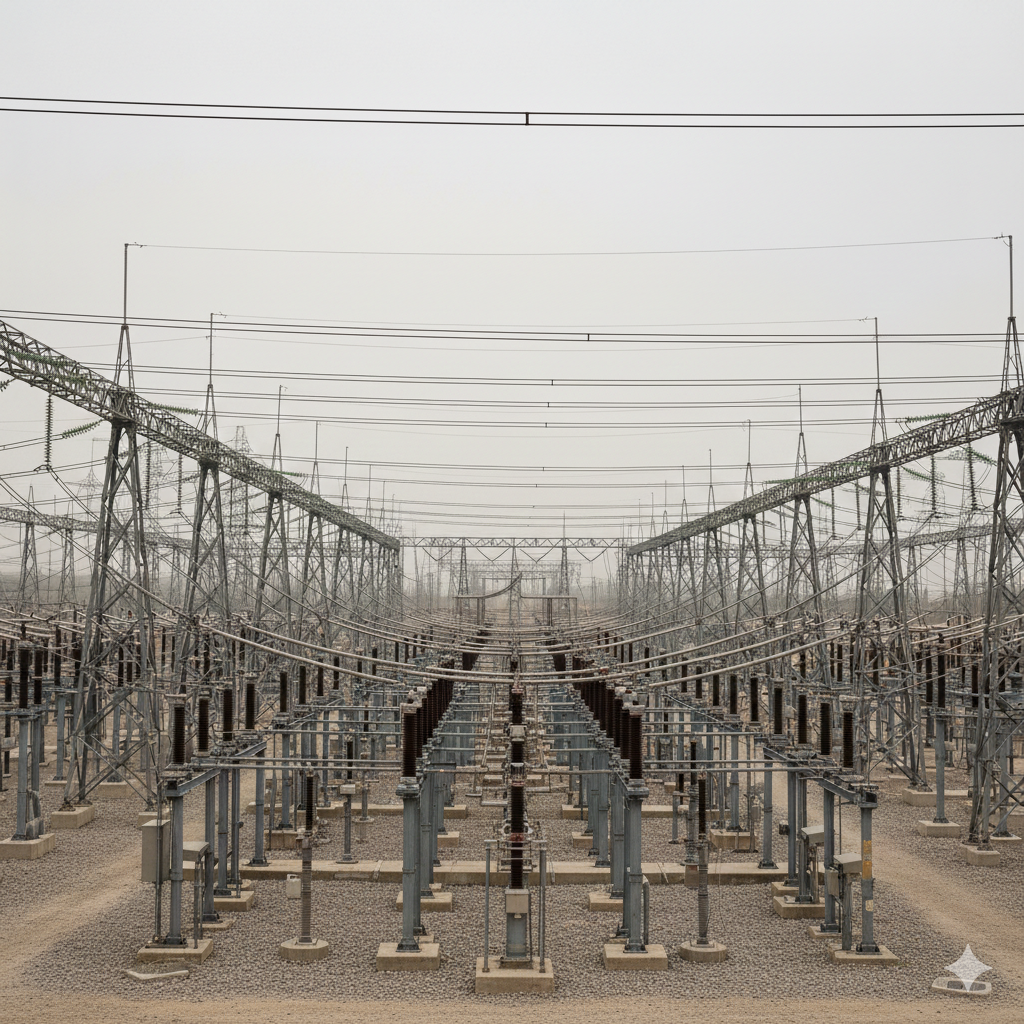
The IEA warns that most African grids are not designed for variable renewable energy, nor do they have the governance, investment, or maintenance required to absorb new capacity.
In many countries, grid expansion has barely moved in 40 years. Transmission losses are among the highest in the world.
So even where solar farms are built, Egypt’s Benban, South Africa’s Northern Cape, Kenya’s Garissa, the surrounding grid often cannot carry the power reliably to homes and businesses.
Across the continent, state-owned utilities are drowning in debt. According to the African Development Bank, only two African utilities are financially solvent without government support.
This affects everything:
A solar boom built on bankrupt utilities is destined to falter.
Despite the rhetoric around climate finance, Africa receives less than 2% of global solar investment, even though it holds more than 40% of global solar potential.
Most renewable-energy financing in Africa flows into grid-connected utility-scale projects, not the last-mile access systems where poverty is greatest.
This creates a cruel paradox: Africa’s clean energy transition is expanding power capacity, not power access.
IRENA estimates Africa needs 140,000 mini-grids to reach universal access by 2030. As of 2023, fewer than 5,000 exist.
Developers face impossible hurdles:
The tech is ready. The financing architecture is not.
A solar boom needs more than panels; it needs people.
The IRENA/ILO Renewable Energy Jobs Review 2024 reveals that solar PV is the world’s largest renewable employer, reaching 7.2 million jobs globally.
Yet Africa accounts for only a sliver of that workforce.
Kenya’s Husk Power, Nigeria’s mini-grid developers, and South Africa’s rooftop installers all report the same problem: not enough trained electricians, technicians, and O&M specialists.
A solar farm without a trained workforce becomes a stranded asset.
In rural Sierra Leone, a newly installed solar mini-grid stood unused for weeks after commissioning. The reason was disarmingly simple: no one in the village had been trained to operate it.
In Tanzania, a solar-powered water system failed because the pump controller malfunctioned, a problem that would take a trained technician ten minutes to fix, if a technician existed within 100 kilometres.Africa’s energy poverty is not just an issue of megawatts.
It is about dignity, health, and livelihoods.
It is about a woman giving birth in a dark clinic, or a child reading by kerosene fumes, while solar farms produce power they may never see.
Africa does not suffer from a shortage of sunlight. It suffers from a shortage of systems:
A solar boom without these systems is like a pipeline with no water: technically impressive, socially useless.
The AfDB estimates that Africa needs $35 billion annually for grid expansion and maintenance. Without that, solar growth will outpace the infrastructure that carries it.
Not pilots. Not side projects.
They should be embedded in electrification masterplans, and supported with results-based finance, concessional loans, and stable tariffs.
Africa must invest in its training institutions as aggressively as it invests in megawatts.
This is a workforce revolution, not just an energy transition.
Tariff reform, utility governance, debt restructuring, these unglamorous tasks unlock everything else.
Africa needs an “access-first” transition, not a “capacity-first” transition.
Africa’s solar boom could be the foundation of a just, prosperous, climate-resilient future.
But a boom that does not translate into access risks becoming another chapter in a long history of extraction where infrastructure is built, but people are left behind.
In the end, the success of Africa’s renewable transition will not be measured in gigawatts. It will be measured in the lives that go from darkness to light, in remote villages where grids reach, and kids finish homework under a lamp powered by African sun.
The paradox is sharp: the continent installs record solar capacity, while its people still wait.
Let’s fix the system behind the boom. Otherwise the solar age will arrive for some, but not for all.
Contributor at Energy Transition Africa, focusing on the future of energy across the continent.
There is a phrase that has followed Africa through almost every global climate forum in recent years: “clean energy for people and planet.” And it sounds inclusive, moral and hard to argue against....