Africa’s Resource Revolution: How Raw Minerals Are Becoming Gold Mines for Local Value
For more than a decade, the global energy transition has been sold as a story of technology. We are told solar panels are getting cheaper, wind turbines are getting taller, and batteries are...
For most of modern economic history, electricity demand has followed growth. When economies expanded, electricity use rose steadily and predictably, rarely faster. That relationship is now breaking....
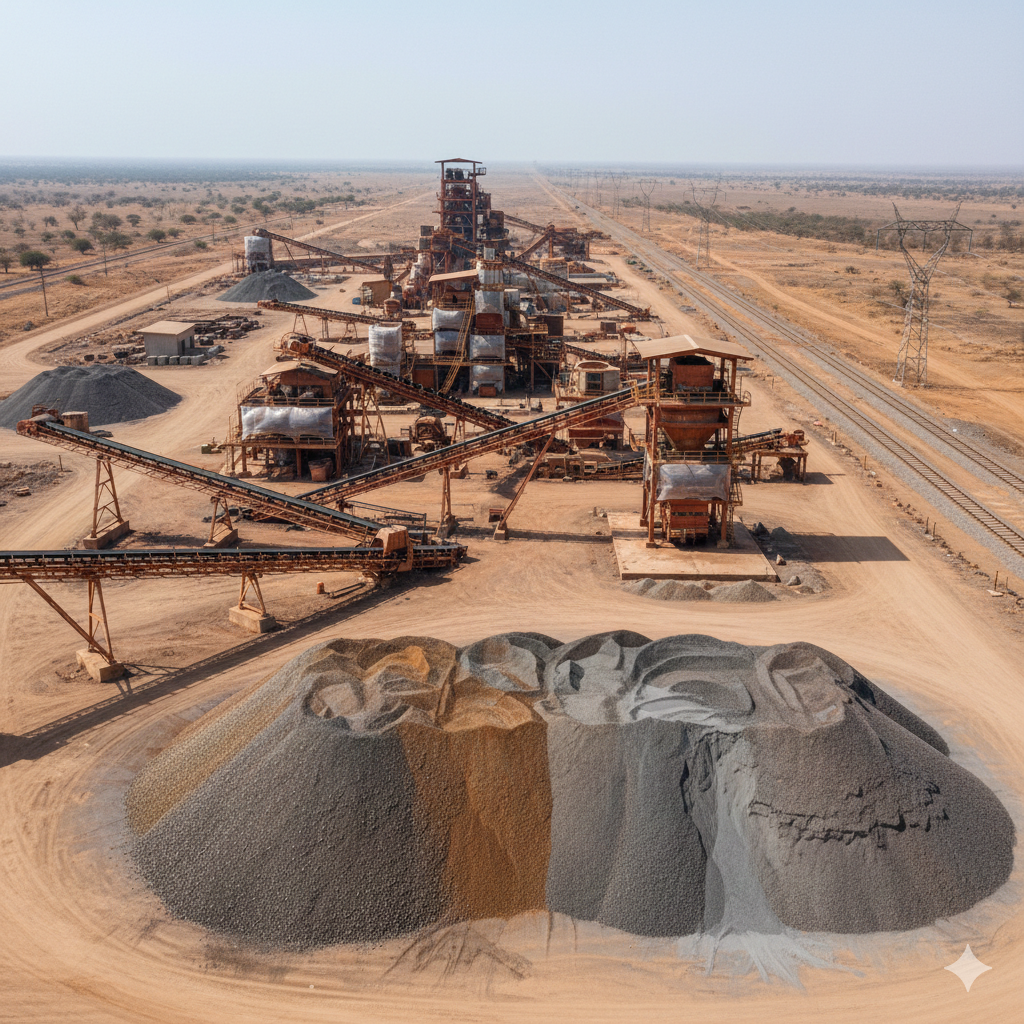
Africa is in the midst of a silent revolution. One that sees nations taking a firmer hold over the minerals beneath their feet. From Mali’s dramatic seizure of Barrick’s gold to Zimbabwe’s lithium ban, a wave of resource nationalism is reshaping the continent’s economic landscape.
How did this happen? And what does it mean for Africa’s green future?
Days ago, this July, a Malian military helicopter lifted more than a tonne of gold from the Loulo‑Gounkoto complex, a mine operated by Barrick Gold. The gold, worth around $107 million, was seized by state‑appointed administrators and earmarked to fund operations after a six‑month export freeze
This was not a one‑off. Earlier in June, helicopters delivered three tonnes of bullion to Bamako after Barrick halted exports under pressure from the junta. The government insisted on taxes and adherence to a stricter mining code. Barrick threatened arbitration but hasn't regained full control.
The move jolted mining markets. It signalled that African governments mean business and will not hesitate to assert their rights.
Mali was a pioneer, but it is hardly alone. Governments across West and Central Africa are rewriting the narrative on mineral wealth.
In Niger, the uranium mine formerly run by France’s Orano is now under nationalisation talks. Guinea has cancelled dozens of licences across gold, bauxite, and diamonds. And the DRC has extended its cobalt‑export ban, improving its bargaining strength vis‑à‑vis traders like Glencore.
Another flashpoint emerges in Zimbabwe. Following a raw‑lithium export ban, zirconium and cobalt may be next. Between 2022 and 2023, the country’s lithium export earnings jumped from $70 million to $600 million.
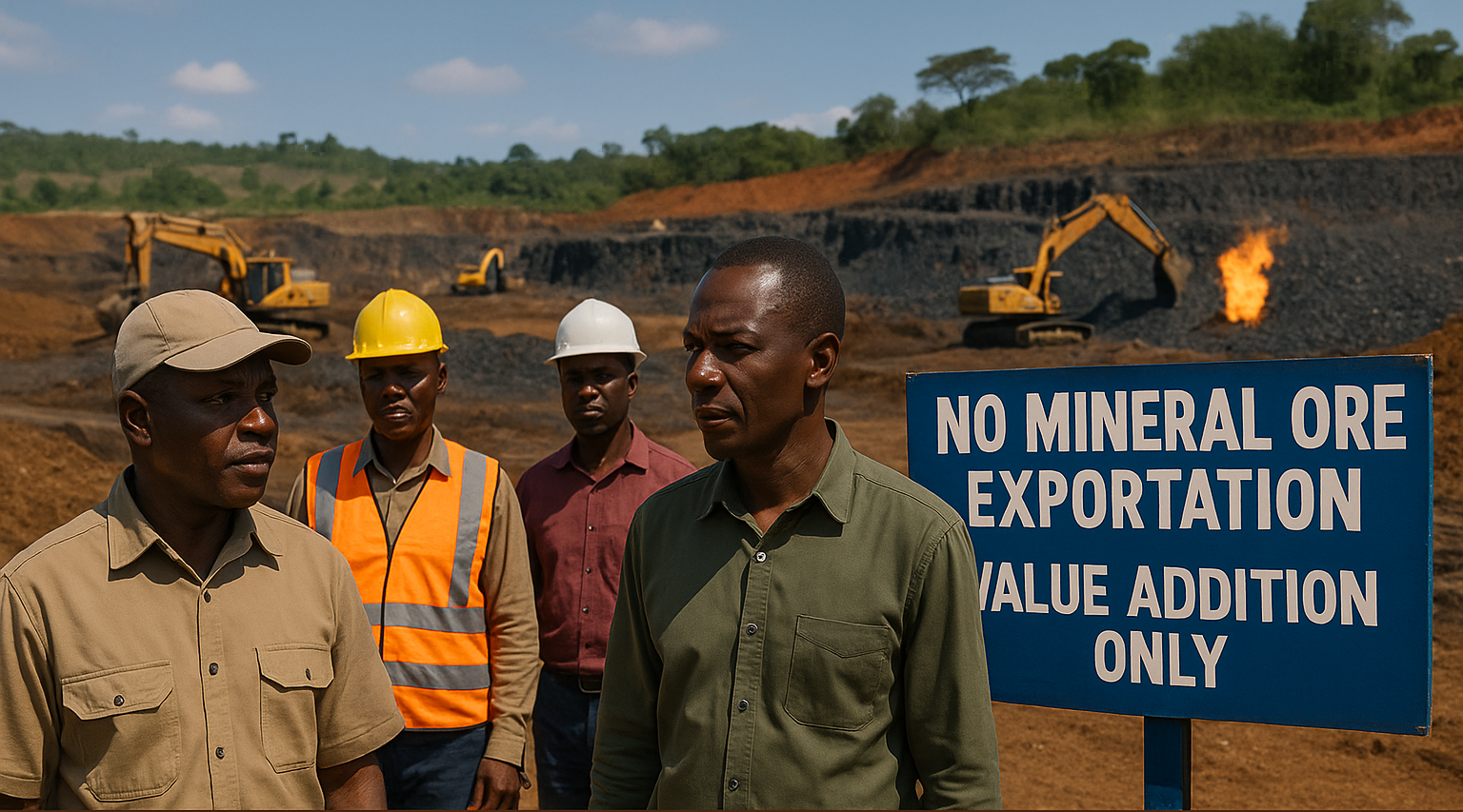
Nearly half of African nations have now imposed bans or restrictions on raw minerals. Value addition is now a central plank of national industrial ambitions.
This policy shift matters on several fronts.
First, economic sovereignty. By withholding raw minerals, governments hope to force mining giants and traders to set up refineries or smelters locally. That means skills, jobs, and tax revenues touching down in local communities.
Take Zimbabwe. It now processes lithium within its borders. The result? A ten‑fold rise in revenue and jobs in energy tech, not just mining pits
Second, global leverage. Critical minerals such as lithium, cobalt and graphite fuel electric vehicles and clean tech. Africa, which hosts 30–40% of these resources, now wields growing influence in green supply chains. But that comes with global attention and scrutiny.
Resource nationalism carries a risk: chasing away investors.
Barrick’s protest in Mali is a stark example. The firm warns that unilateral seizures are setting a troubling precedent. Western companies are now weighing the cost of doing business in countries that might renegotiate licences or grab assets mid‑lifecycle.
High finance is jittery. Bloomberg reports show Western miners diverting capital toward safer jurisdictions. Some African nations are hoping for Chinese or other non‑Western partners to fill the gap, but even those come with strings attached.
If resource nationalism is to succeed, it must cultivate trust. Governments need to show they can manage minerals ethically. That includes:
Barrick has warned that rushed deals come with corruption and reputational danger.
On the other side, countries like Ghana, Tanzania and the DRC are experimenting with joint‑value projects, mineral processing, tolling, and export corridors in partnership with global firms.
Zimbabwe’s lithium success provides a useful model. By banning raw export and fostering processing plants in Bikita and other zones, it has captured far more economic value
That said, scaling from batteries to full‑scale gigafactories is a long road. It requires reliable power, infrastructure, training, and supply chain security.
Still, the shift is real. It offers a blueprint: begin value addition in phases, and back it with industrial policy and a skilled workforce.
A stronger processing agenda aligned with the African Continental Free Trade Area (AfCFTA) could multiply value.
For instance, lithium from Zimbabwe processed into battery ingredients in Zambia or Namibia could feed into electric buses assembled in South Africa within a single regional value chain.
That is where the potential lies.
How this story unfolds matters for millions.
If governments can balance control with transparency, Africa could avoid decades of raw export stagnation. It could instead build clean‑tech industries, battery plants, and skilled workforces.
But if instability scares off investors, or if contracts lack oversight, the minerals may become another lost era of exploitation.
Africa stands at a crossroads. The resource nationalism currently reshaping its critical minerals markets could define the continent’s economic future.
It can mean a new era of economic sovereignty and green industrialisation. Or it could regress into faltering deals and lost investments.
This moment demands both courage and caution. A policy that is bold but clear, sovereign but transparent. That seeks economic value and honours the people who live atop these minerals.
In the glint of lithium, cobalt and gold, Africa has a choice: raw export or real wealth.
If it chooses wisely, the minerals beneath its soil could power not only the world’s clean future, but Africa’s as well.
🔥Interested in more industry-savvy, human-centred analysis? Explore our previous feature on just transitions in Africa’s mining boom.
Contributor at Energy Transition Africa, focusing on the future of energy across the continent.
As Mining Indaba opens in a few days, one point of alignment is already clear: value addition has become the dominant political language around Africa’s future in critical minerals. From policy...