Who Truly Benefits from Just Transitions in Africa? The Rising Tide of Elite Extraction
For more than a decade, the global energy transition has been sold as a story of technology. We are told solar panels are getting cheaper, wind turbines are getting taller, and batteries are...
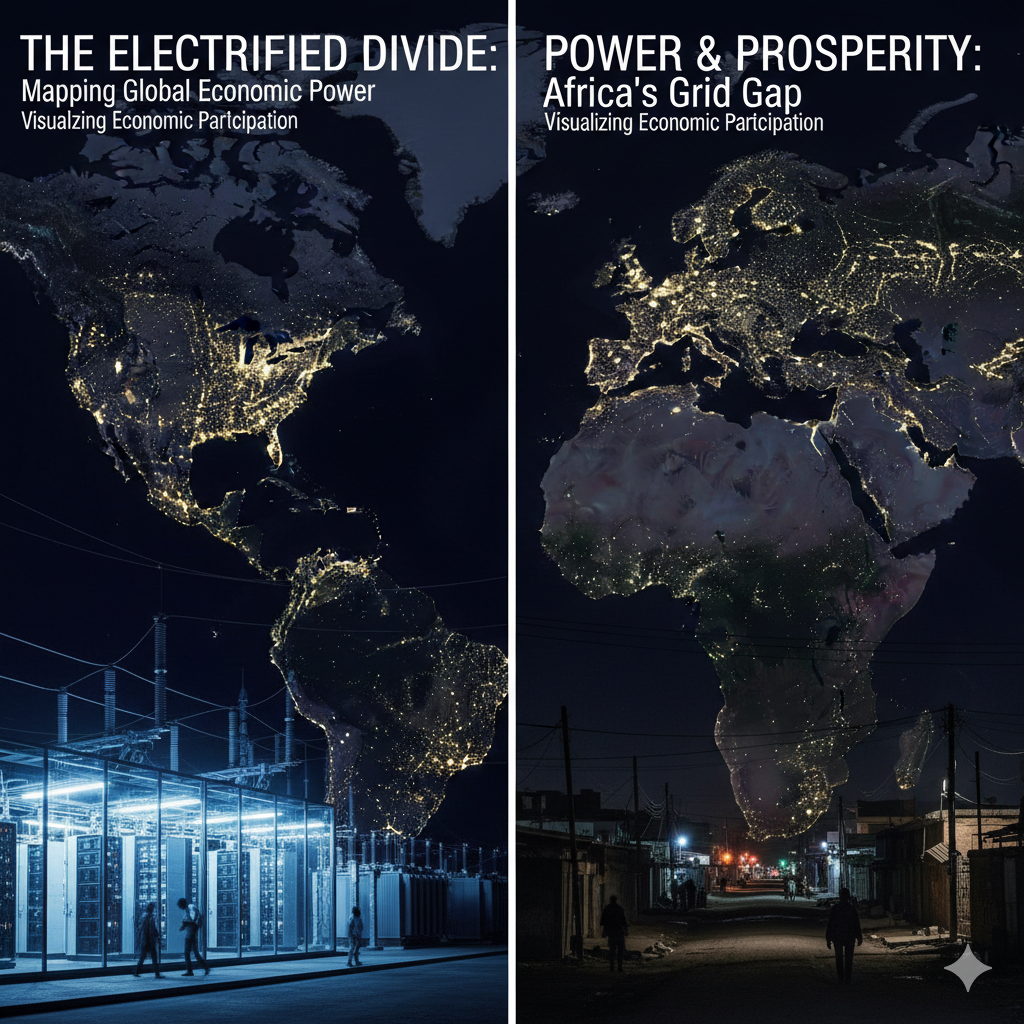
For most of modern economic history, electricity demand has followed growth. When economies expanded, electricity use rose steadily and predictably, rarely faster. That relationship is now breaking....
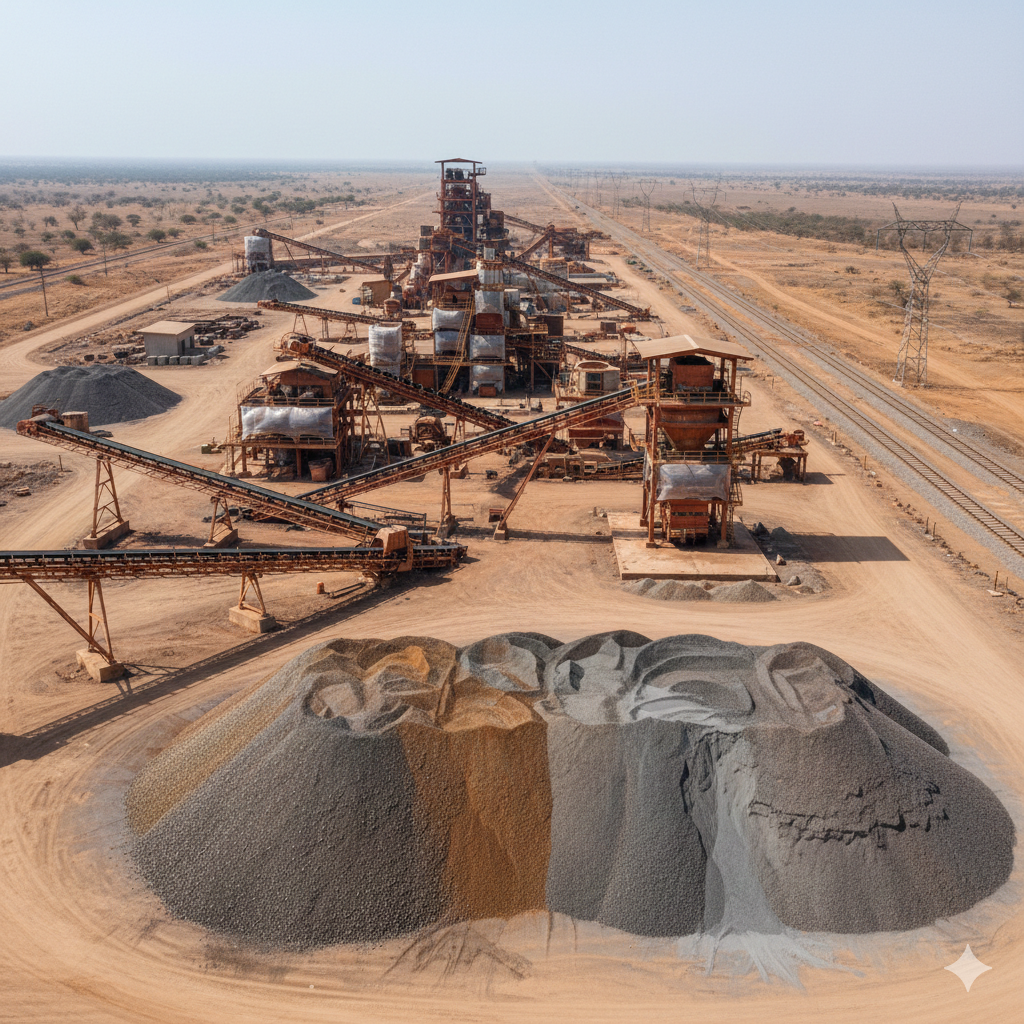
In recent years, Africa has been hailed as a leader in designing just transitions, energy shifts that protect both the planet and people. Among the most ambitious is the Just Energy Transition Partnership (JETP) in South Africa, promising $8.5 billion to pivot away from coal, while safeguarding workers and communities.
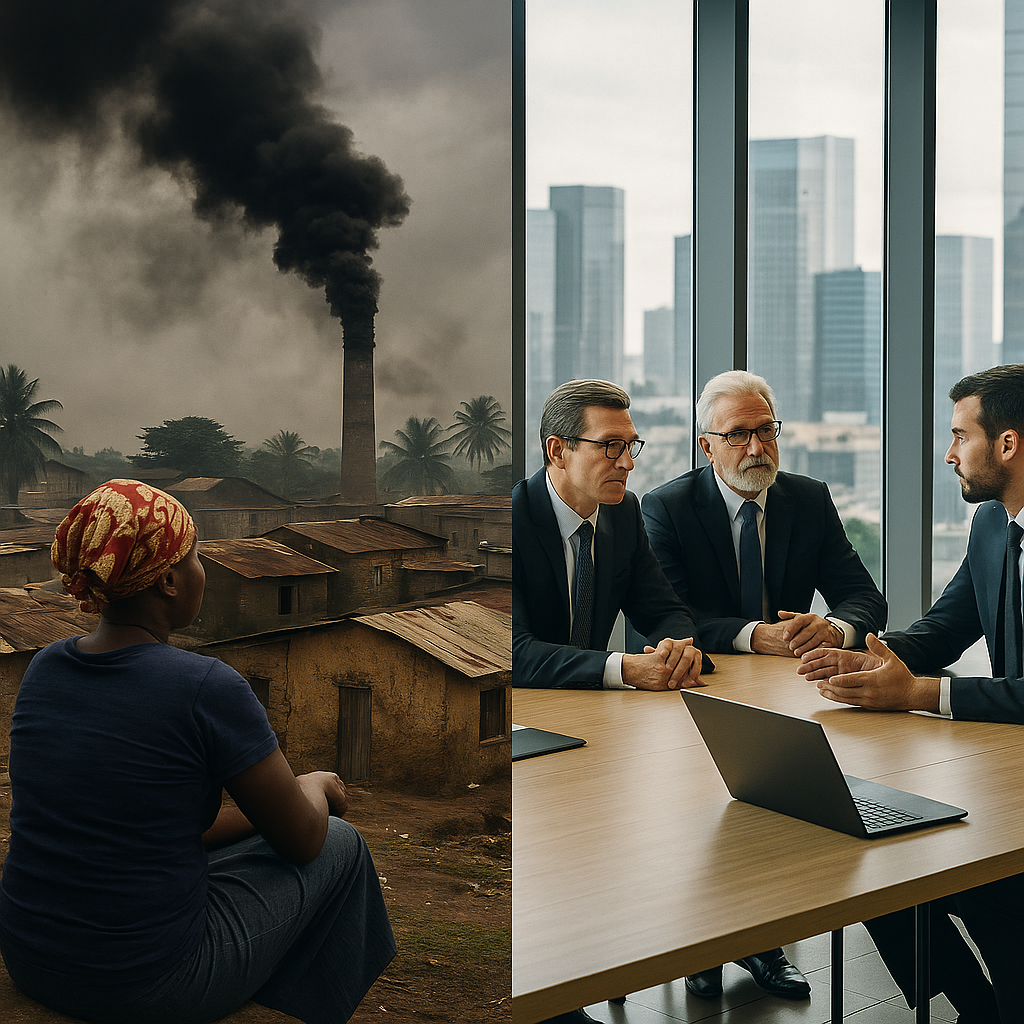
Yet beneath the headlines, a troubling pattern emerges. Over 65 percent of the grant funding has flowed to global consultancies like BCG, Deloitte, and PwC. That leaves local firms and community groups with less than a quarter of the resources.
This raises a sharp question: Whose transition is this?
South Africa is not alone. Across Africa, climate finance often travels north to consultancies, engineering firms, and project developers, bypassing local capacity. Consider:
In Tanzania, plans to shift Maasai households to solar stoves and boreholes are being handcrafted by foreign NGOs, while local voices struggle to get a foot in the door.
In Mpumalanga, South African towns once thriving on coal mines now edge into decline. Workers struggle with lost wages, health problems, and no clear path ahead. In these very communities, transitional investments are thin on the ground.
In the Niger Delta, proposals to clean gas flares are steered by overseas engineering teams. Yet local youth and oil workers remain excluded from contracts or hiring schemes.
In Zambia’s copper belt, now shifting towards green minerals, smelters and hydrogen plants are being designed by foreign developers. Local welders and engineers wait for skills training that never arrives.
The result is a familiar narrative: an elite-driven transition that lifts global firms, while leaving frontline communities with pollution, instability, and broken promises.
When global consultancies steer the transition, they set the narrative. They dictate project timelines, targets, and definitions of progress. But those agendas often reflect external priorities:
Local communities, by contrast, need clean air, stable jobs, and affordable energy access. Without direct investment in those areas, transitions risk deepening inequality.
South Africa’s JETP, originally marketed as a world-class model, risks becoming a case study for global extraction.
With $1.5 billion in grants, only about $350 million has been channelled to South African entities. The rest flows through multilateral banks and international consultancies managing the whole programme. Meanwhile, coal workers await reskilling centres, and coal towns await green industries.
That is not a transition; it is a transplant of foreign expertise at the expense of local resilience.
This pattern repeats across the continent:
These cases illustrate a deeper issue: carbon justice without social justice.
To ensure just transitions serve communities, African governments must take three steps:
Some projects already point in the right direction:
These initiatives show that when communities lead, transitions endure.
Resource-rich countries like Ghana and Sierra Leone are drafting “citizens' funds” similar to Alaska’s oil revenue model. Revenues from gold, lithium, and cobalt are being ring-fenced for public services, job training, and energy access.
Under the African Continental Free Trade Area (AfCFTA), a pan-African energy transition fund is under discussion. It would prioritise grants for community-led initiatives before corporate or consulting intermediaries.
Africa’s transition cannot be built on copy-paste templates. It must reflect local realities. That means:
Africa stands at a crossroads. It can lead to a transition rooted in fairness. Or it can repeat patterns of extraction and passivity.
A just transition in Africa cannot be a file on a donor’s shelf. It must be lived by communities who face the sun and the smoke every day.
🌍 Learn more about our vision for people-led energy futures in “Africa’s Energy Transition Must Centre People, Not Just Technology”.
Contributor at Energy Transition Africa, focusing on the future of energy across the continent.
As Mining Indaba opens in a few days, one point of alignment is already clear: value addition has become the dominant political language around Africa’s future in critical minerals. From policy...