Finance in Local Currency: A COP30 Demand for Africa’s Energy Transition
For more than a decade, the global energy transition has been sold as a story of technology. We are told solar panels are getting cheaper, wind turbines are getting taller, and batteries are...
For most of modern economic history, electricity demand has followed growth. When economies expanded, electricity use rose steadily and predictably, rarely faster. That relationship is now breaking....
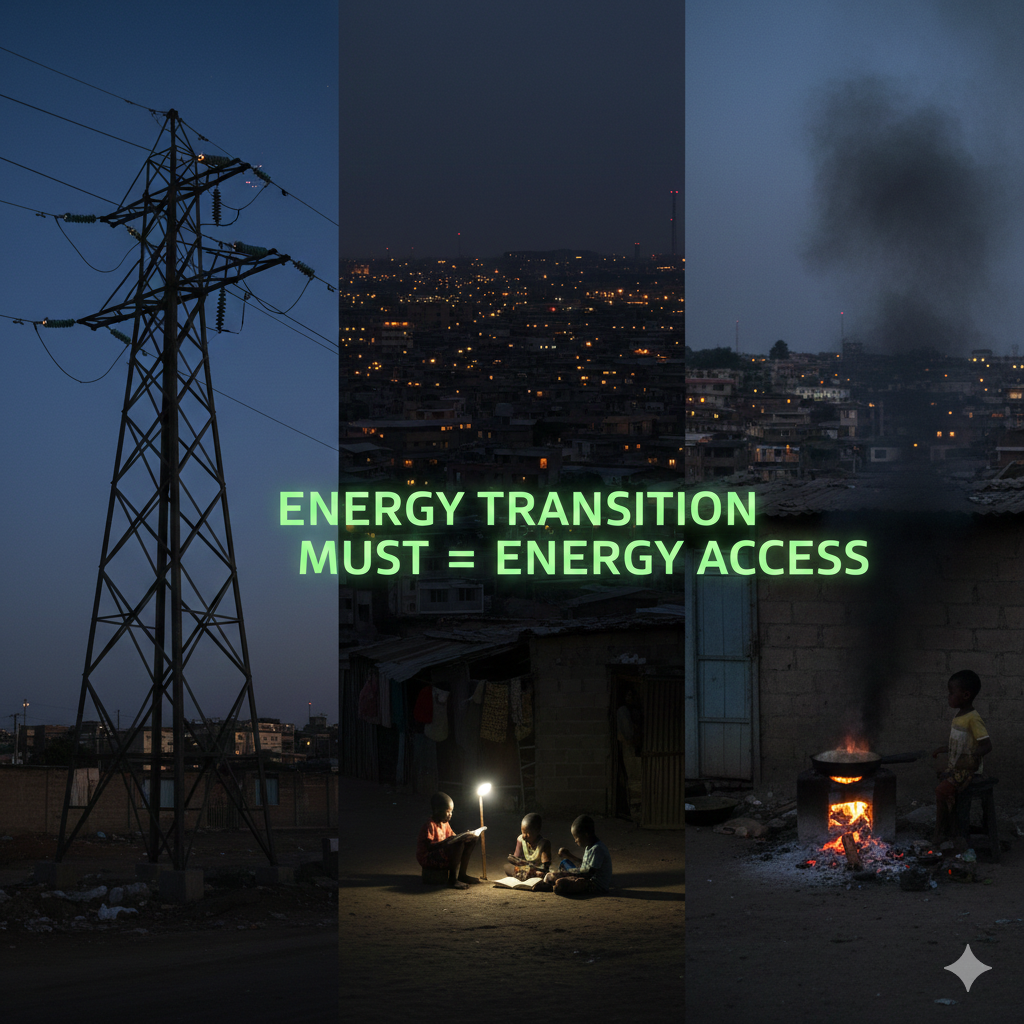
At first glance, Africa’s energy transition looks as though it is finally gaining speed. Solar imports are at record highs, wind farms are sprouting across the Sahel, and hydro projects are being modernised. Yet in the spreadsheets of ministries and developers lies a more corrosive reality: the cost of capital in Africa remains among the highest in the world.
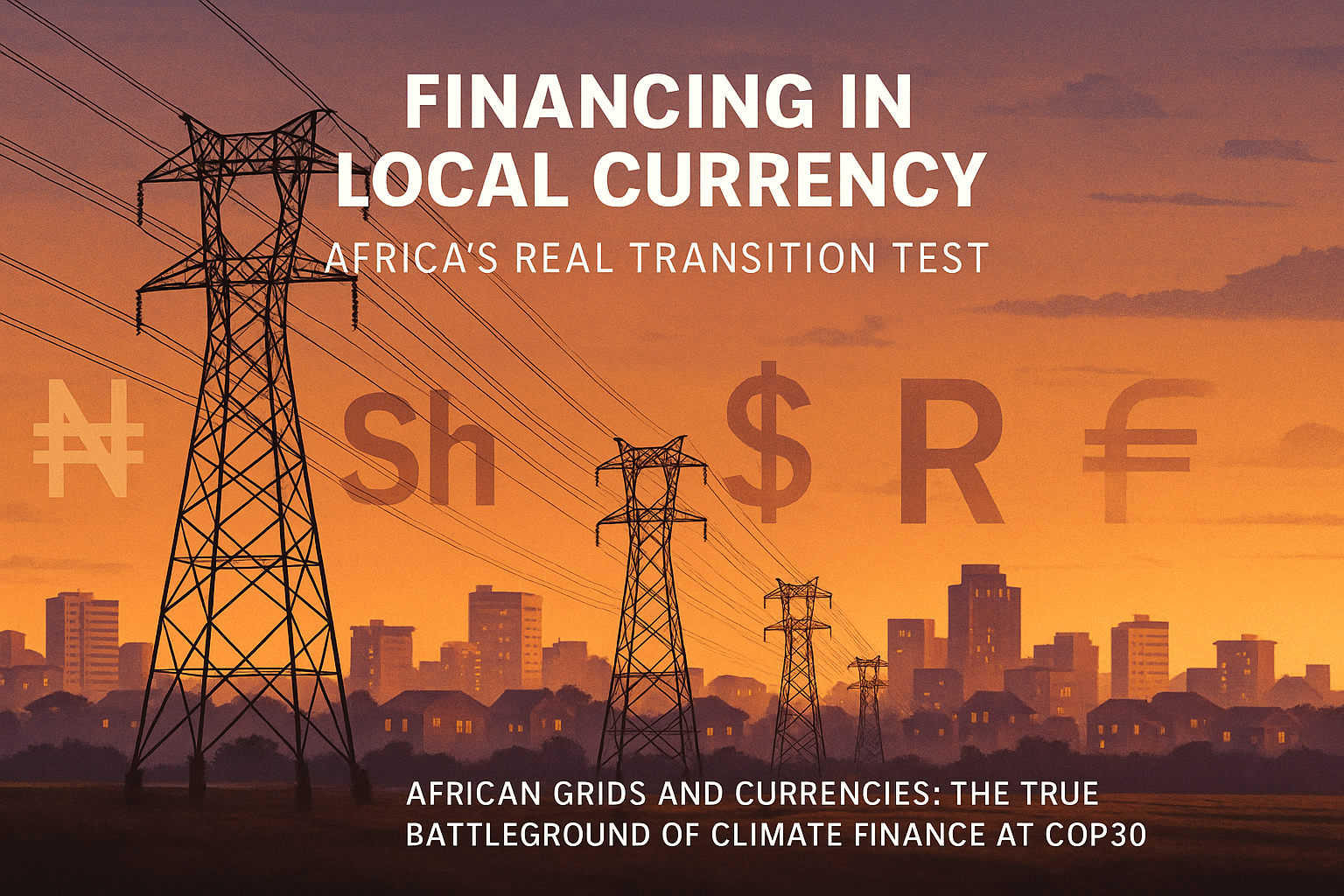
The paradox is cruel. Solar and wind are cheaper than fossil fuels almost everywhere, but in African countries, projects are consistently more expensive to finance than coal in Asia or gas in Europe. The culprit is not the turbine or the panel, but the currency. Clean energy projects are priced in dollars or euros, but revenues flow in naira, shillings, or rands. Exchange-rate volatility and depreciation force financiers to demand punishing premiums, lifting tariffs and undermining affordability.
As negotiators prepare for COP30, the African Group of Negotiators (AGN) should demand for finance in local currency. Without tools to mitigate FX risk, climate finance promises will continue to look large in communiqués but remain small in communities.
International climate funds and multilateral development banks typically lend in “hard” currencies. From their perspective, it is logical: dollar or euro lending lowers their own borrowing costs and reduces exposure. But for African governments and utilities, the mismatch is brutal.
Consider a solar farm in Nigeria financed in dollars. When the naira depreciates, as it has repeatedly, the cost of servicing the loan soars in local terms. Utilities must either raise tariffs sharply, take losses, or renegotiate contracts. The project, once bankable on paper, becomes a liability. Communities pay the price, either through higher bills or continued darkness.
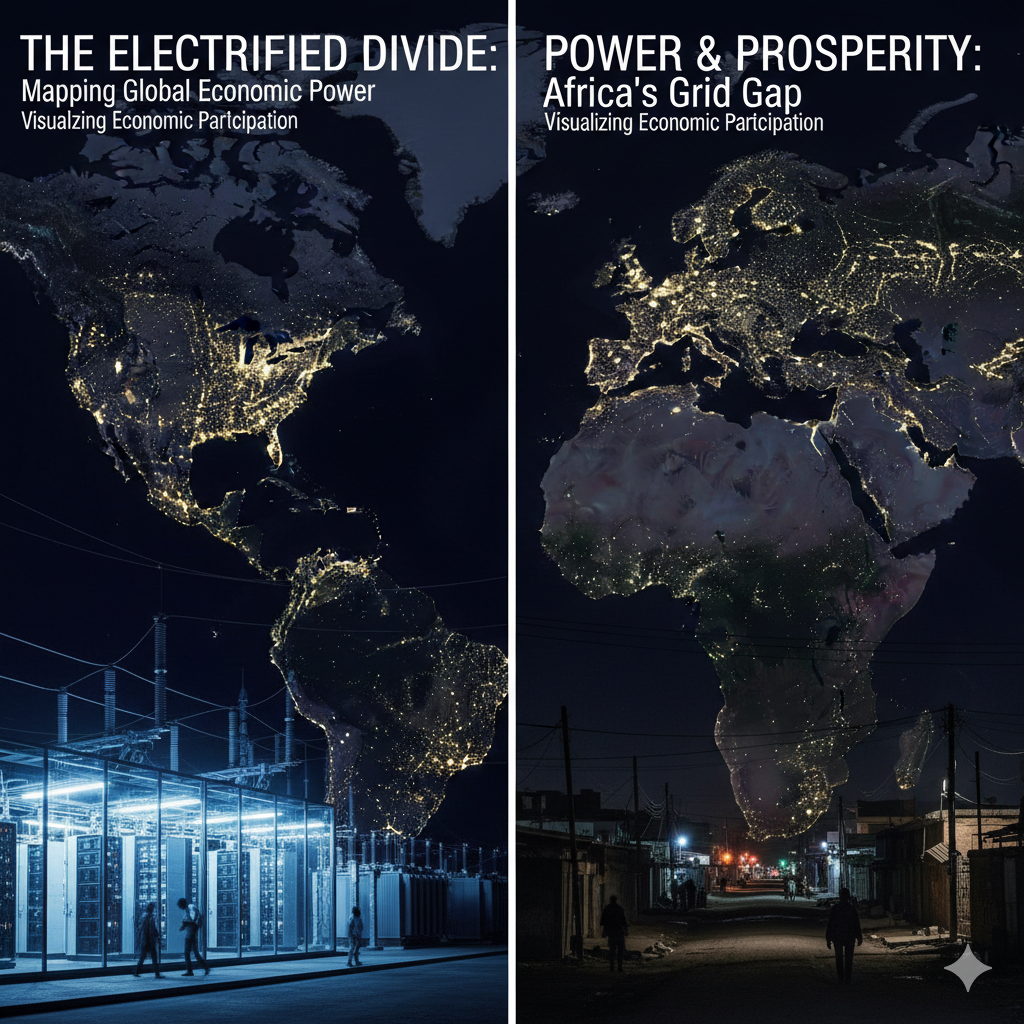
This is not an isolated problem. The African Development Bank (AfDB) notes that FX risk alone can increase renewable tariffs by up to 30%, erasing the cost advantage of inexpensive panels or wind turbines. Recent studies by the Energy for Growth Hub show that local-currency financing could cut the cost of capital for renewables by up to 31% and reduce delivered electricity prices by nearly a third. For a continent with over 600 million people still without electricity, those percentages translate into futures gained or lost.
There is also the wider question of debt. According to Climate Policy Initiative, Africa needs around $1.6–1.9 trillion in climate investment through 2030, but only a fraction of that arrives. Worse, much of what comes is loan-based. In 2022, over half of Africa’s climate finance was debt, not grants. With debt distress already widespread, adding dollar-denominated loans to fragile economies risks deepening the very vulnerabilities climate finance is meant to solve.
This is why African negotiators should argue that climate justice cannot be delivered in the same currency that fuels debt crises. Finance in local currency is not only about reducing risk premiums, it is about sovereignty. If COP30 delivers another round of pledges denominated in dollars but fails to alter how capital flows, the continent will be trapped in a cycle of promises without power.
Climate justice cannot be delivered in the same currency that fuels debt crises.
The demand is clear: concessional windows and guarantees must be built around local-currency lending. That means more than pilot projects. It requires an institutional shift.
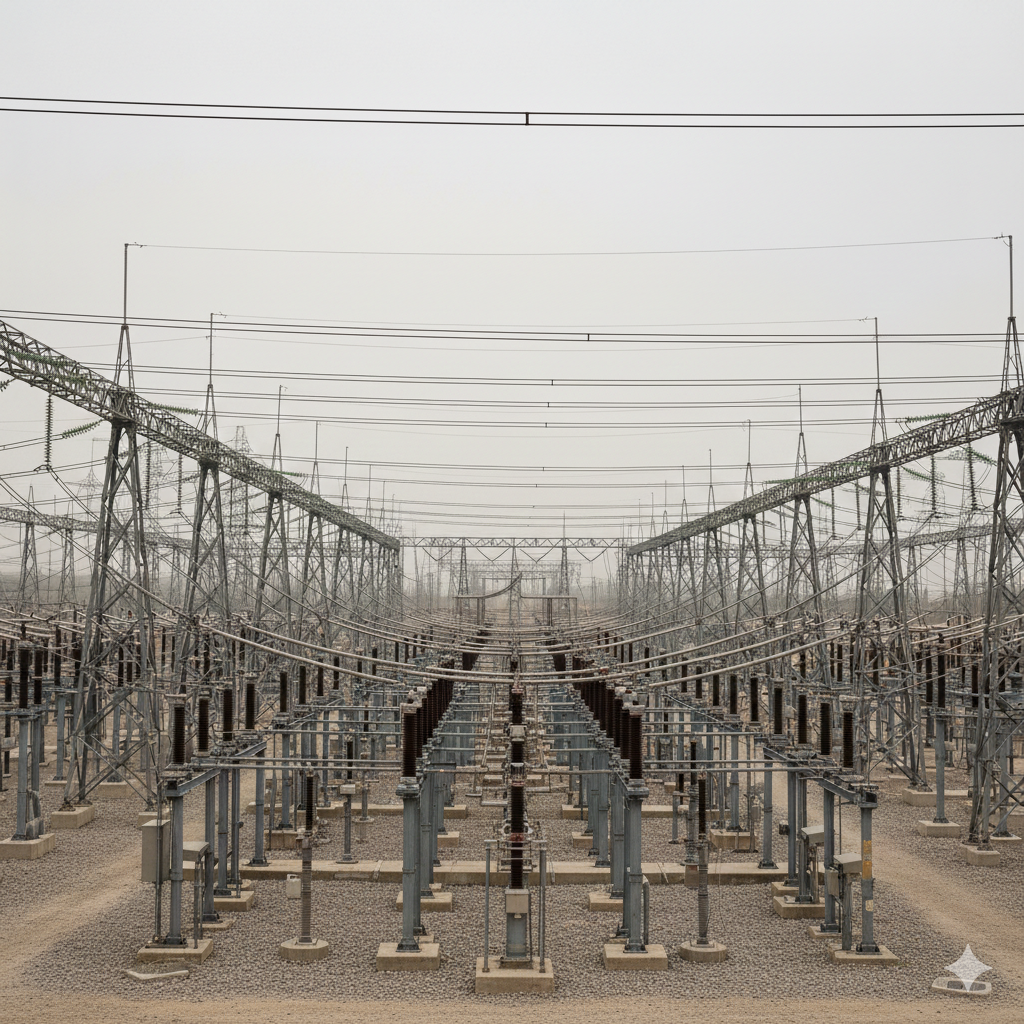
Local-currency finance must be matched with grid investment. FX risk and weak infrastructure are twin barriers. Even when panels are cheap and loans are fair, electrons cannot travel without wires. AfDB estimates Africa needs $64 billion a year through 2030 just to achieve universal access, most of it in transmission and distribution.
The linkage is simple: investors are more comfortable lending in local currency when they see robust domestic revenue streams. If utilities remain bankrupt and grids leaky, no currency denomination will make projects bankable. Therefore, grid modernisation itself becomes a form of de-risking, a tangible guarantee that local-currency loans will be repaid.
South Africa’s Komati coal plant, decommissioned in 2022, has become a test case. Financed with concessional loans, its repurposing was meant to symbolise a just transition. Yet disbursements lagged, local benefits were slow, and communities felt promises outpaced delivery. The June 2025 review by the Presidential Climate Commission highlighted the risks of sequencing finance poorly.
The lesson for COP30 is blunt: financing transitions in foreign currency, with slow disbursement and conditionality, cannot be the model. Communities demand tangible, upfront benefits in local terms. That means jobs, procurement, and services are financed with the money they actually use.
This is the outline of a credible bargain. Without it, Africa’s negotiators should not trade stronger fossil phase-out language for vague pledges.
Africa’s energy transition will not be built on dollar debt, it must be financed in the money people actually use.
Africa’s transition is not a side story. With one-third of the world’s critical minerals, vast solar potential, and a rapidly growing population, the continent will shape the global energy balance. If its transition stalls under debt and FX risk, global 1.5°C targets will falter. If it succeeds with local-currency finance and resilient grids, it can become a pillar of affordable clean energy supply for decades to come.
Contributor at Energy Transition Africa, focusing on the future of energy across the continent.
There is a phrase that has followed Africa through almost every global climate forum in recent years: “clean energy for people and planet.” And it sounds inclusive, moral and hard to argue against....